
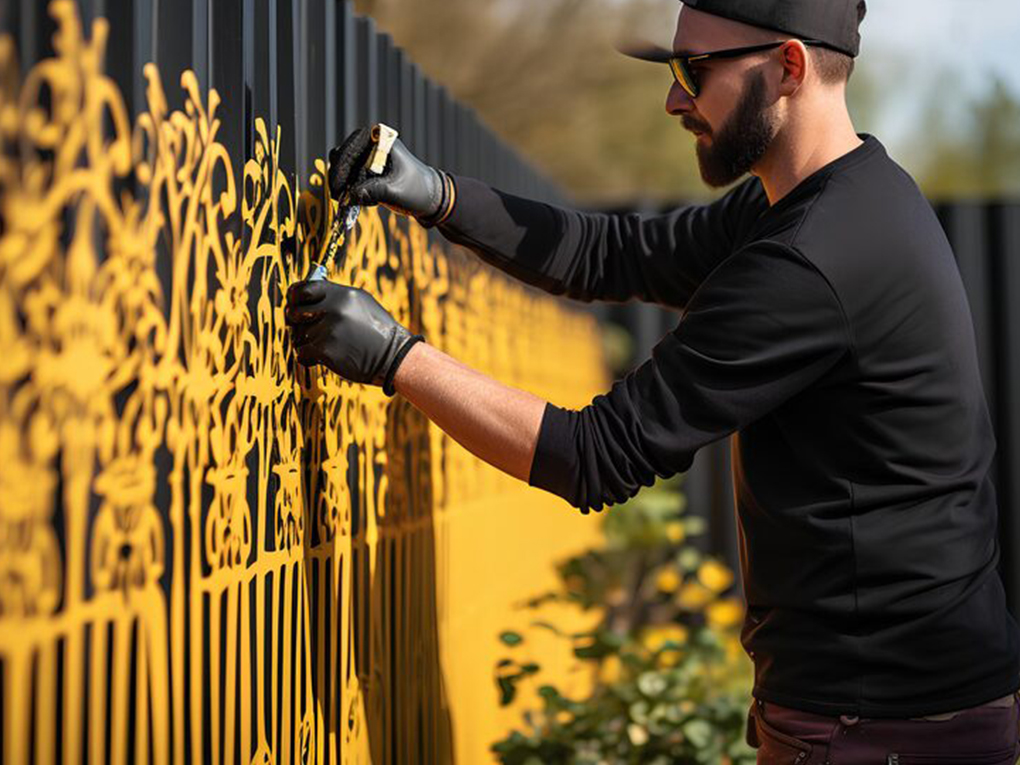
How much does it cost to paint a fence?
A beautifully painted fence does more than just mark the boundary of your property; it frames your home, boosts curb appeal, and protects the underlying timber or metal from harsh weather conditions. If you are looking at your backyard boundaries and thinking they need a serious refresh, the first question that naturally comes to mind is: how much does it cost to paint a fence?
Pricing a painting project is rarely a one-size-fits-all scenario. The final bill depends on a variety of elements, from the materials used to the condition of the structure itself. This comprehensive guide will break down the costs, explain what goes into a professional quote, and help you determine the best approach for your upcoming exterior transformation in house painters melbourne
Why Investing in Your Fence Matters
Before diving into the numbers, it helps to understand the value of the service. High-quality fence painting acts as a crucial line of defence against moisture, UV rays, and wood rot.
By applying a premium coat of paint or stain, you extend the lifespan of your boundary, ultimately saving you money on expensive structural replacements down the line. It is a highly cost-effective way to modernise your home’s exterior without undertaking major renovations.
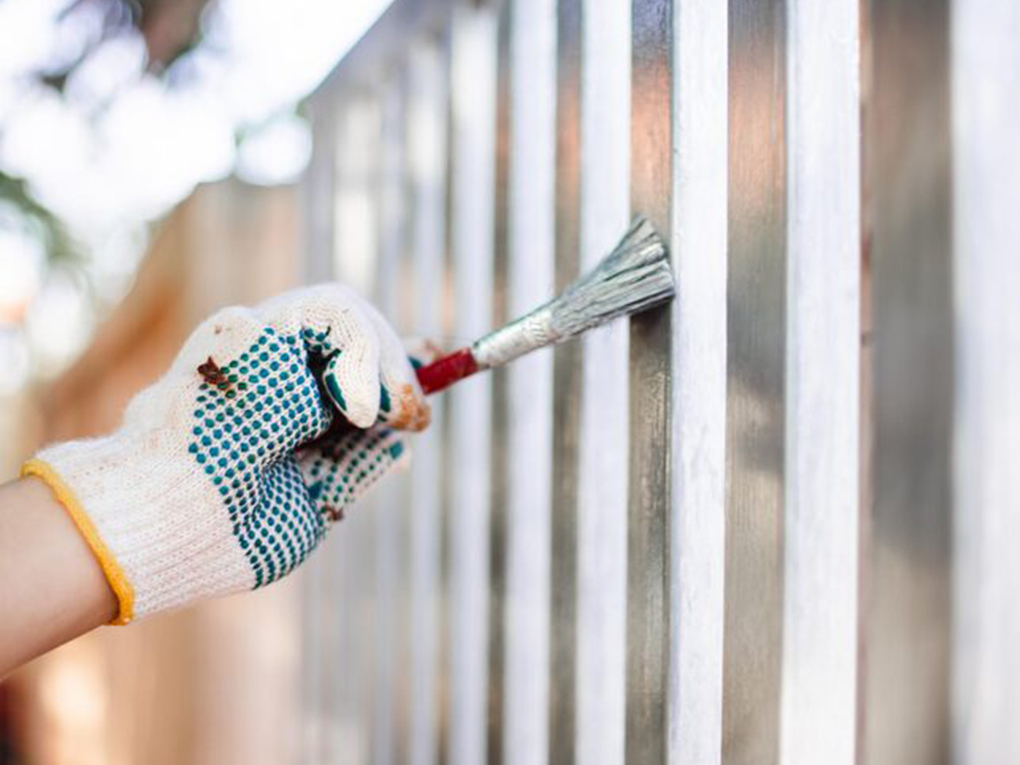
Key Factors That Impact Fence Painting Costs
When a professional evaluates your property to provide a quote, they take several crucial variables into account. Understanding these factors will help you manage your budget and expectations.
The Total Length and Height
Unsurprisingly, the physical size of the job is the largest cost driver. Painters typically calculate their rates per square metre or linear metre. A standard front-yard picket fence will cost significantly less to coat than a two-metre-high boundary fence wrapping around a large block. Taller structures often require scaffolding or specialised extension equipment, which can slightly increase labour costs.
The Type of Fence Material
Different surfaces absorb paint differently. Porous materials like raw, unsealed timber will soak up the first coat, requiring more product and time to achieve an even, opaque finish. On the other hand, metal or colorbond surfaces might need specific etching primers to ensure the topcoat adheres correctly. The type of paint—whether it is a standard acrylic, an oil-based enamel, or a specialised timber stain—will also influence the overall material expenses.
The Current Condition of the Surface
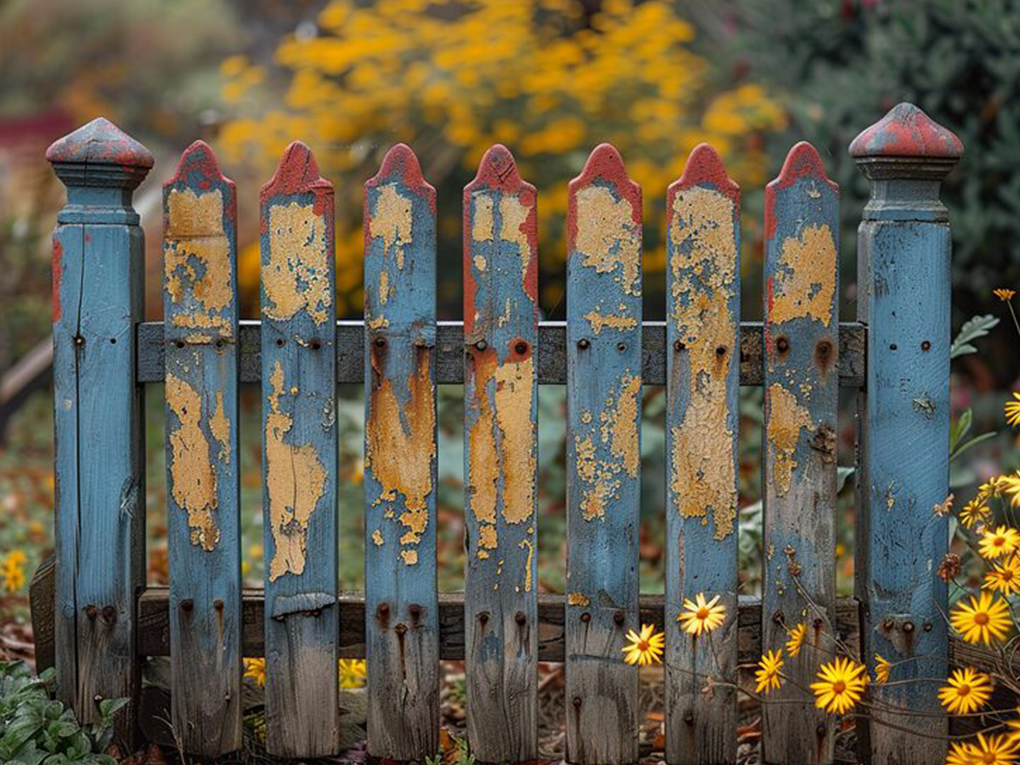
A brand-new installation is relatively straightforward to paint. However, if your timber has seen better days, learning how to paint an old weathered fence involves a lot of extra labour. Sun-damaged or greying wood often requires intense sanding, gap filling, and the application of heavy-duty binding primers to ensure the new colour does not peel away after a few months.
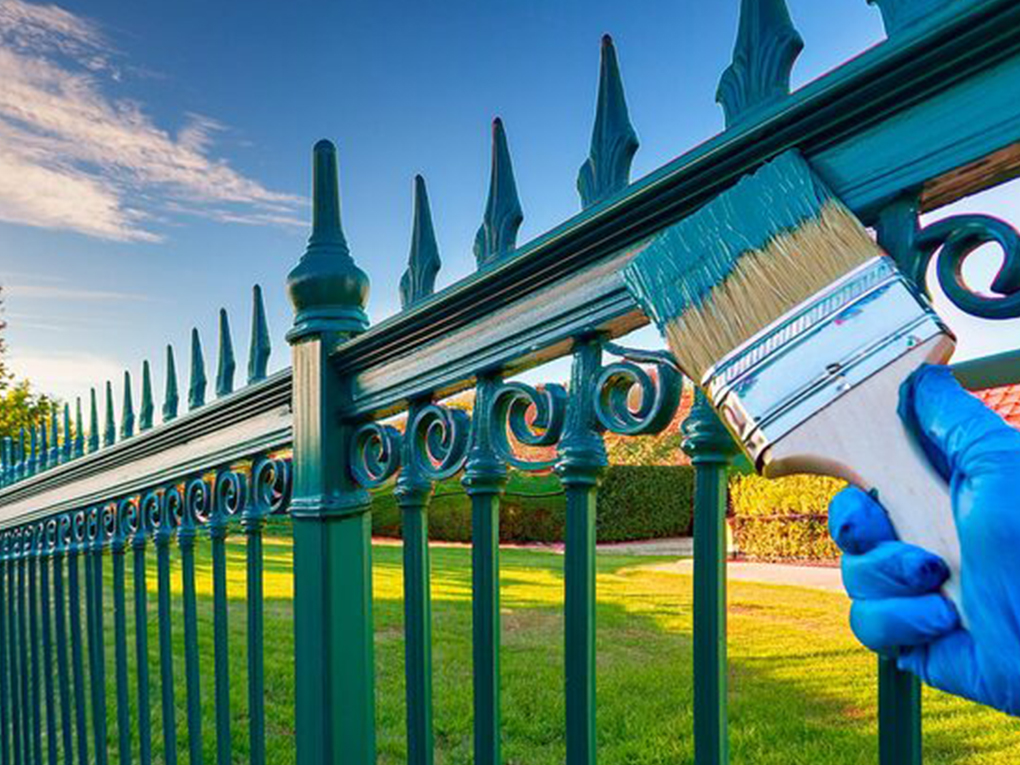
The Painting Process: What Are You Actually Paying For?
When you hire experts, you are not just paying for someone to slap on some colour. You are investing in a rigorous process that guarantees a flawless, long-lasting result.
Surface Preparation and Deep Cleaning
A top-tier finish is impossible without a perfectly clean base. Understanding how to prep a fence before painting is essential. This stage usually involves high-pressure washing to remove dirt, mould, cobwebs, and chalky residue.
Skipping this step leads to blistering paint, which is why professionals dedicate a significant portion of their quoted time to meticulous preparation.
Dealing with Previous Coatings
If your boundary has been painted several times over the decades, the existing layers might be flaking off. In these situations, figuring out how to remove old fence paint becomes a priority. Scraping, chemical stripping, or heavy mechanical sanding is highly labour-intensive but absolutely necessary to prevent the new paint from failing alongside the old layer.
Navigating the Finer Structural Details
Solid panel fences are quick to spray, but intricate designs take time. Picket fences, intricate metalwork, and lattice sections require careful brushwork. Furthermore, professionals know exactly how to paint fence posts, ensuring that the base where the timber meets the soil or concrete is adequately sealed against ground moisture, preventing premature rot and termite damage.
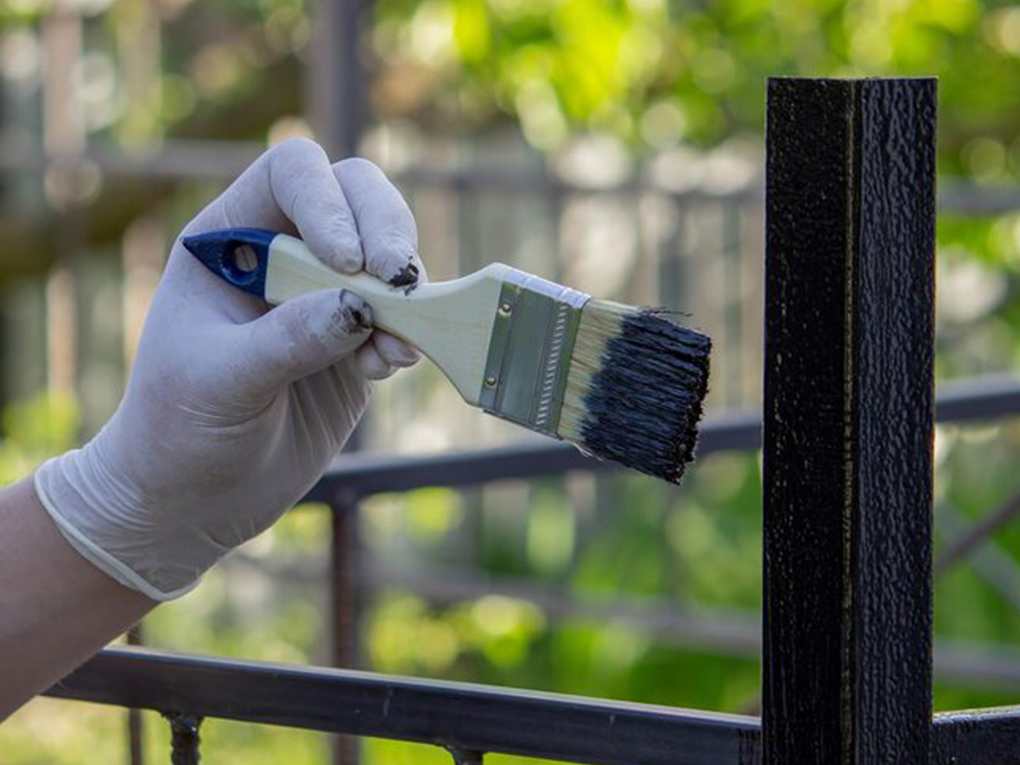
DIY vs. Hiring a Professional: Breaking Down the Value
It is tempting to head to the hardware store, grab a few tins of paint, and tackle the job yourself to save money. However, DIY exterior painting often ends up costing more in time, frustration, and eventual rework.
The Hidden Costs of DIY Painting
When calculating the DIY route, you must factor in the cost of equipment. You will need to purchase or hire drop sheets, high-quality brushes, rollers, painters tape, pressure washers, and potentially a professional-grade airless sprayer. Add in the multiple weekends of back-breaking labour, and the professional quote starts to look incredibly reasonable.
Protecting Your Surrounding Landscape
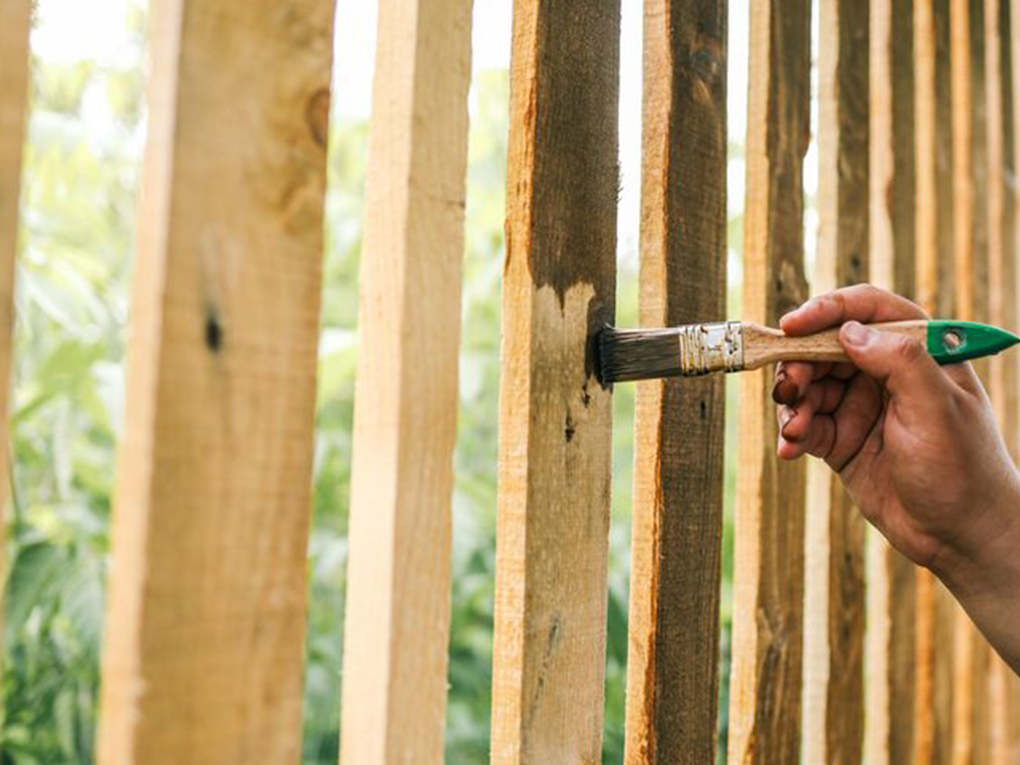
One of the biggest challenges homeowners face is precision. Trying to figure out how to paint a fence without getting it on grass, garden beds, or concrete pathways is incredibly frustrating. Professional painters utilize heavy-duty masking techniques and drop cloths to ensure the colour stays exactly where it belongs, leaving your landscaping completely untouched.
Frequently Asked Questions (FAQs)
How often should a wooden fence be painted?
Typically, a high-quality acrylic paint job on a timber fence will last between 5 to 8 years, depending on weather exposure. Stains may need reapplying every 3 to 4 years to maintain their protective qualities.
Is it cheaper to paint or stain my fence?
Staining is generally slightly cheaper upfront because it often requires less surface preparation (like priming) and goes on faster. However, paint provides a thicker protective barrier and lasts longer before needing a refresh.
Does weather affect the cost of the project?
While weather does not directly change the quote, it impacts the timeline. Painting during high humidity or imminent rain can ruin the finish, meaning professionals must carefully schedule the work, which can sometimes extend the project duration.
Do I need to inform my neighbours before the job starts?
If the boundary is shared, it is highly recommended and often legally required to discuss the project with your neighbours. You may even be able to split the cost if both sides of the boundary are being revitalised.
Can you paint a fence with a roller, or is spraying better?
Spraying is much faster and provides a wonderfully smooth finish, particularly on large, flat surfaces. However, rolling and back-brushing are often required to push the product deep into the timber grain for maximum adhesion.
Determining how much does it cost to paint a fence relies heavily on your specific property constraints, the materials involved, and the level of preparation required.
While taking the DIY route might seem like a budget-friendly option initially, the superior durability, flawless finish, and time saved by hiring experts make professional services an outstanding investment.
Do not let a peeling, weathered boundary drag down the appearance of your home. Reach out to a professional painting team today for a comprehensive, obligation-free quote, and take the first step towards a vibrant, fully protected outdoor space.
- Address: 71 Rochester Road, Balwyn, VIC 3103
- Hotline: 0401 851 598
- Email: pm@vcolour.com.au
- Website: www.vicpainter.com
- Facebook: facebook.com/fencepaintingmelbourne/
- Instagram: instagram.com/wallrepair.melbourne/
