

Commercial Painting in Melbourne: A Practical Guide for Business Properties
Commercial painting should protect the property, support daily operations and present the business professionally—not simply change the wall colour.
A strong project scope connects the building type, surface condition, access, operating hours, coating performance and handover requirements.
This guide helps melbourne painters business owners, property managers, facility teams and builders plan commercial painting work and compare contractors on equal terms.
Quick direction: Define the property and operating constraints, inspect the surfaces, match the coating system, then compare written scopes rather than headline prices.
Define the Property Type and Business Objective
Every commercial property creates a different painting brief. An office, retail shop, restaurant, warehouse, factory, school, medical centre and strata building do not have the same traffic, access or cleaning demands.
Start by defining why the work is required. The goal may be maintenance, tenancy change, rebranding, pre-lease presentation, exterior protection, defect repair or a full interior and exterior refresh.
List the included areas by zone and surface. This can include reception areas, offices, meeting rooms, corridors, stairwells, amenities, ceilings, doors, trims, facades, render, masonry, metalwork, loading areas and boundary structures.
VicPainter’s painting services page outlines its broader painting and repair categories. The commercial painting services page focuses on offices, shops, restaurants, warehouses, factories, schools, medical centres, strata and exterior commercial buildings.
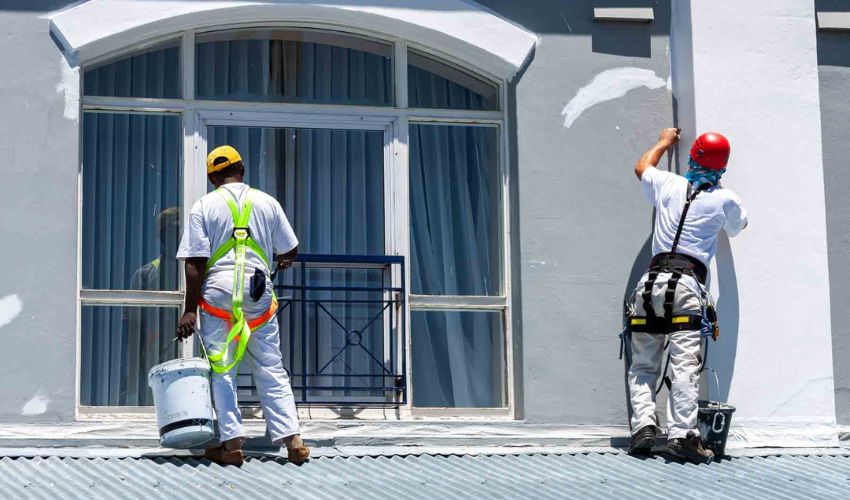
Separate Interior and Exterior Commercial Painting
Interior and exterior commercial painting should be scoped separately. The surfaces may belong to one property, but their exposure and performance requirements are different.
Interior work may need washable finishes, scuff resistance, low odour and a staged sequence around staff, customers or residents. Exterior work must address weather exposure, UV, moisture, substrate movement and access at height.
Avoid a generic specification that applies one product and one preparation method to every area. A reception wall, steel door, rendered facade and warehouse ceiling require different decisions.
The commercial painters guide provides related information for office, retail, warehouse and commercial-building projects.
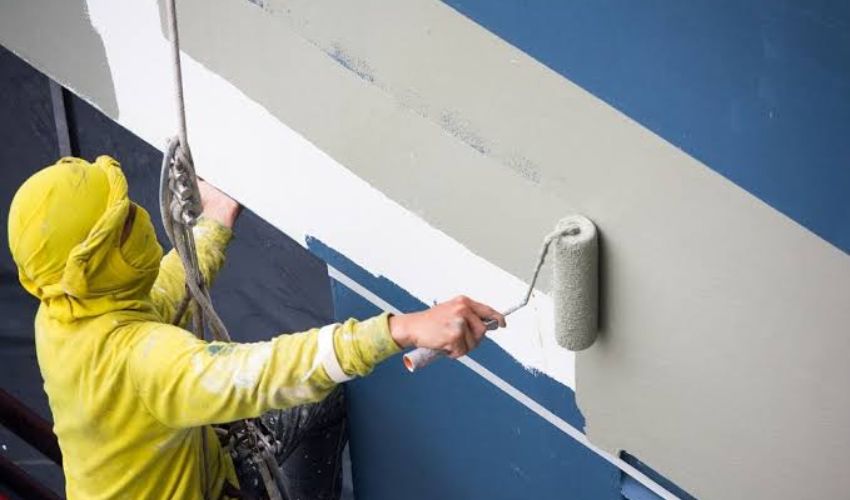
Inspect and Repair Surfaces Before Applying Finish Coats
Commercial painting performs best when the substrate is clean, sound and suitable for coating. Fresh paint can make unrepaired defects more visible and may fail early when applied over loose or contaminated surfaces.
The inspection should record cracks, holes, water staining, peeling paint, chalking, corrosion, failed joints, damaged plasterboard, exposed timber and unstable render. The quote should state which repairs are included.
Minor filling may sit within normal preparation, while larger plaster damage, recurring cracks, water-affected areas or extensive coating failure may need a separate repair scope.
Related VicPainter resources include wall repair Melbourne and plaster repair Melbourne.

Plan the Work Around Business Operations
A technically good finish is not a successful project when the building cannot operate safely. The programme should reflect opening hours, staff access, customer routes, deliveries, resident needs and essential services.
Commercial work may be completed after hours, on weekends or in stages where the property and coating system allow it. Drying and curing periods still need to be respected before an area is reopened or heavily used.
Agree on the daily work zone, the time it will close, ventilation, cleanup, waste removal and the person authorised to approve small decisions or variations.
VicPainter’s official commercial service information describes flexible scheduling intended to minimise interruption. A commercial painting contractors page also provides broader contractor context.
Business-disruption planning checklist
- ✓Identify peak operating hours, deliveries, events, inspections and tenant or customer commitments.
- ✓Divide the project into zones with clear closure, drying, reopening and handover times.
- ✓Keep emergency exits, essential services and agreed access routes available.
- ✓Protect stock, equipment, signage, counters, floors, lifts, doors and shared paths.
- ✓Confirm ventilation, odour controls, daily cleanup and secure storage of tools and materials.
- ✓Nominate one client contact and one contractor contact for progress updates and approvals.
-
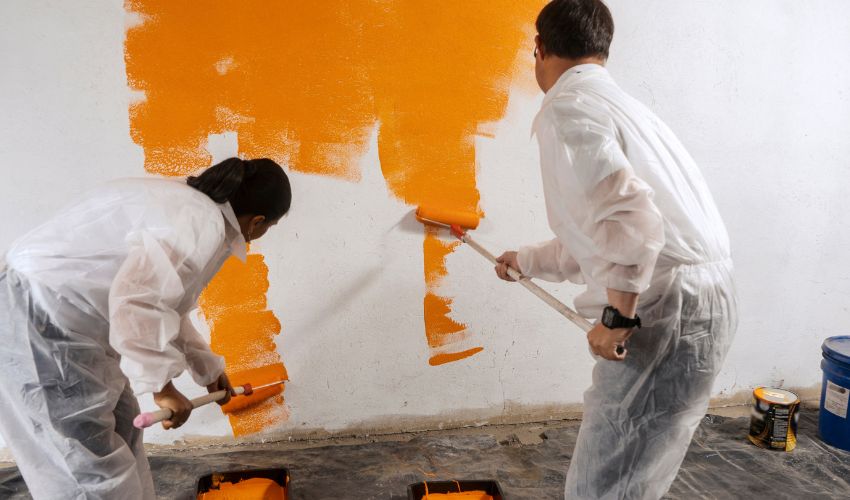
Commercial coating schedule matching offices, corridors, amenities, joinery, render and metalwork with suitable finishes.
Match Coatings to Traffic, Cleaning and Substrate
Commercial paint selection should begin with use and substrate rather than colour alone. The right sheen and coating system depend on cleaning frequency, traffic, moisture, abrasion, existing paint and the finish standard.
High-contact walls and doors may need a more washable or durable finish than meeting rooms. Wet or service areas need appropriate moisture resistance. Exterior systems must suit the underlying render, masonry, timber or metal.
Joinery, reception counters, cupboards and built-in storage may require a separate preparation and application process from ordinary walls. Review cabinet painting Melbourne where coated cabinetry or built-ins are part of the project.
Boundary timber, screens or perimeter structures may also need their own system. See fence painting services for related preparation and coating considerations.

Control Access, Protection and Contractor Accountability
Access and protection should be planned before the crew arrives. Buildings with high walls, external elevations, narrow service lanes, shared foyers or active loading areas may require specific equipment and temporary controls.
The written plan should explain ladders, mobile platforms or scaffolding where relevant, together with barriers, signs, protection screens and temporary route changes.
Confirm who supervises the project, who attends the site and who is responsible for subcontractors. Insurance and clear accountability become more important as the site becomes larger, higher or more heavily occupied.
Use the VicPainter guide to qualified and insured painters Melbourne when reviewing contractor documentation and project responsibility.
Site-control and protection checklist
- ✓Map entrances, footpaths, lifts, stairs, driveways, loading areas and emergency routes.
- ✓Identify elevated work and the access equipment proposed for each area.
- ✓Agree on barriers, signs, temporary closures and notices to staff, tenants or customers.
- ✓Record protection for floors, windows, counters, stock, vehicles, gardens and neighbouring areas.
- ✓Confirm keys, alarms, parking, power, water, bathrooms and secure material storage.
- ✓Check the contractor’s insurance, supervision, reporting and incident-response process.
-
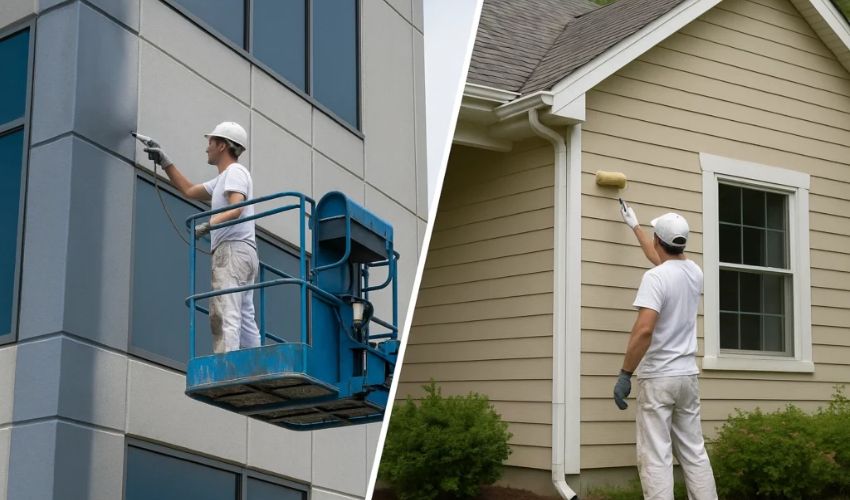
Commercial painting quotes compared for scope, preparation, products, access, scheduling, variations and handover.
Compare Commercial Painting Quotes Line by Line
A useful commercial painting quote explains the work, not only the total price. Quotations are not comparable when one includes repairs, access equipment and staged protection while another leaves those items undefined.
Compare the same rooms, elevations and surface groups. Review preparation, primer, finish products, coat count, access, protection, working hours, exclusions and the process for approving variations.
Ask what assumptions sit behind the price. Common assumptions include a vacant property, unrestricted access, sound surfaces, one colour, standard hours or no major repairs.
VicPainter’s painting quote page recommends supplying photos, measurements and a clear project description. Complex commercial sites may still require an inspection before final pricing.

Complete the Project With Handover and Maintenance Records
Handover should compare the completed work with the approved scope. Inspect coverage, colour, edges, repairs, fixtures, cleanliness and any areas requiring touch-up.
Keep a paint schedule showing product names, colours, sheen levels and where each system was used. This supports future touch-ups and planned maintenance across the property.
VicPainter presents itself as a Melbourne provider of residential, commercial and industrial painting. Its commercial service page lists offices, shops, restaurants, warehouses, factories, schools, medical centres, strata and exterior commercial buildings.
Read about VicPainter for company background and professional painters in Melbourne for the wider service overview. Then contact VicPainter with photos, plans, measurements, operating hours, repair notes and timing requirements.
Information to send for a commercial painting enquiry
Provide the property type, address or suburb, photos of all included areas, floor plans or measurements, surface defects, height and access notes, operating hours, required completion date, colour requirements and the person responsible for approvals.
FAQs
What is commercial painting?
Commercial painting is painting work completed for business, industrial, strata, institutional, retail or public-use properties. It can include interior and exterior preparation, repairs, priming, coating, access planning, protection, staged work, cleanup and final inspection.
What types of properties can VicPainter help paint?
VicPainter’s official commercial service information lists offices, shops, restaurants, warehouses, factories, schools, medical centres, strata buildings and exterior commercial buildings.
How is commercial painting different from residential painting?
Commercial projects often involve larger or shared areas, more complex access, operating-hour restrictions, customer or tenant communication and coatings selected for higher traffic or cleaning demands.
Can commercial painting be completed outside business hours?
Many projects can be staged or scheduled after hours or on weekends when the site, access arrangements and coating system allow it. Drying, ventilation, safety and reopening times must still be planned.
What should a commercial painting quote include?
The quote should define included areas, preparation, repairs, access equipment, protection, primer, finish products, coat count, work hours, staging, exclusions, variations, cleanup, inspection and warranty information.
Do commercial painters repair walls and plaster?
Minor filling may be part of normal preparation, while larger holes, damaged plasterboard, water damage, recurring cracks or ceiling repairs may need a separate wall or plaster repair scope. Confirm the included repair level in writing.
How long does a commercial painting project take?
Timing depends on property size, number of zones, surface condition, repair work, access, operating-hour limits, drying time, crew size and exterior weather. A staged programme is more useful than a generic number of days.
Need commercial painting in Melbourne?
Send VicPainter property photos, included zones, measurements or plans, repair notes, access details, operating hours and preferred timing for a clearer project discussion.
