

Commercial Painting Contracts: Scope, Quotes and Project Control
Commercial painting contracts turn a painting proposal into a clear project plan by defining exactly what will be painted, how the work will be prepared, when it will happen and how completion will be assessed in painters in melbourne
A strong contract protects both the client and the contractor because it records scope, products, access, responsibilities, variations, payment stages and handover expectations before work begins.
This guide helps Melbourne business owners, property managers, facility teams, strata representatives and builders review commercial painting documentation with fewer assumptions and more useful detail.
Quick direction: Turn every important assumption into written scope, programme, price, approval and handover wording before mobilisation.
Understand What a Commercial Painting Contract Must Do
A quote and a contract are related, but they are not always the same document. A quote usually presents the proposed work and price. A contract records the accepted scope together with the conditions that control delivery, changes and completion.
For a small repaint, the accepted quote, written terms and email approvals may form the practical project record. Larger, staged or occupied sites usually need a more detailed package with drawings, schedules, site rules and named responsibilities.
The contract should identify the client, contractor, property, authorised contacts and documents that form the agreement. It should also state which document takes priority if the quote, scope schedule and drawings contain different wording.
VicPainter publishes general service information through its painting services and commercial painting services pages. Its VicPainter Terms of Use also explains that quotations may change when site conditions, preparation, material selections or additional work differ from the original information supplied.

Build the Scope of Work by Area, Surface and Finish
The most important part of commercial painting contracts is the scope of work. Broad phrases such as “paint the building” create uncertainty because they do not define rooms, elevations, substrates or excluded items.
Break the property into zones, then list every included surface. Interior items may include walls, ceilings, doors, frames, trims, skirtings, columns, stairwells and service rooms. Exterior items may include facades, render, masonry, timber, metalwork, eaves, entrances and selected boundary structures.
Record whether each surface receives a full repaint, local touch-up, repair and repaint, clear finish or no work. The finish schedule should state colours, sheen levels and product systems instead of relying on verbal colour discussions.
Use the commercial painters guide to review common office, shop and warehouse painting priorities. The commercial painting contractors page provides additional context when comparing providers for commercial work.

Specify Preparation, Repairs and Coating Systems
A commercial painting contract should describe preparation in practical terms. “Prepare as required” is difficult to measure and may mean different things to the client and contractor.
Record known defects before pricing. These may include holes, dents, open joints, water staining, peeling coatings, chalking, damaged plasterboard, exposed timber, corrosion and unstable render.
Separate normal painting preparation from specialist or extensive repairs. Minor filling and spot priming may be included, while recurring movement cracks, moisture damage, large plaster replacements or widespread coating failure may require additional investigation and approval.
VicPainter provides related information on wall repair Melbourne and plaster repair Melbourne. These links help define when repair work should be identified before final paint application.

Define Programme, Access, Safety and Site Protection
Commercial properties often remain occupied while painting is completed. The contract should therefore define work hours, staged zones, shutdown periods, keys, alarms, loading access and daily reopening requirements.
Exterior elevations, high foyers and warehouse walls may require ladders, mobile platforms or scaffolding. Record who supplies access equipment and whether the price includes delivery, setup, relocation and removal.
Protection should be specific. List floors, counters, furniture, stock, machinery, vehicles, windows, signs, gardens, neighbouring property and pedestrian routes that require masking or barriers.
Contractor responsibility is easier to assess when documentation is clear. Review qualified and insured painters Melbourne and the general painting contractors page when checking provider information.
Programme and site-control checklist
- ✓State the proposed start date, working hours, staged sequence and target completion date.
- ✓Identify rooms or routes that must remain available to staff, customers, residents or deliveries.
- ✓Record drying, ventilation, odour-control and reopening requirements for occupied areas.
- ✓List ladders, platforms, scaffolding or other access equipment included in the price.
- ✓Define barriers, signage, temporary closures and communication to tenants or site users.
- ✓Describe protection for floors, fixtures, stock, equipment, vehicles and adjoining property.
- ✓Nominate responsibility for keys, alarms, inductions, permits, power, water and secure storage.
-

Commercial painting contract price schedule separating fixed scope, allowances, access, repairs, materials, progress claims and approved variations.
Set the Contract Price, Allowances and Payment Stages
A clear price schedule shows what the contractor has allowed for and what could change. The contract may use a fixed project price, measured rates, day-work rates or a combination of these methods.
Where quantities or conditions remain uncertain, identify allowances rather than hiding them inside a single total. Examples include access equipment, extensive repairs, additional colours, after-hours work or areas that cannot be inspected before mobilisation.
Payment stages should relate to meaningful milestones. They may include mobilisation, completion of preparation, completion of defined zones, practical completion and final close-out. Avoid milestone wording that cannot be verified on site.
VicPainter’s painting quote page asks clients to provide photos, measurements, surface information and project requirements. Better pre-quote information supports a more accurate scope and reduces reliance on assumptions.

Control Variations, Concealed Conditions and Delays
Commercial repainting can reveal concealed conditions after access, cleaning or scraping begins. Loose coatings, moisture damage, corroded metal, failed plaster and hidden repairs may not be visible during the first inspection.
The contract should explain how a variation is raised, described, priced and approved. A useful variation records the changed work, reason, price effect, programme effect and person giving approval.
Do not rely on informal site conversations for significant changes. Written approval protects the client from uncontrolled cost and protects the contractor from completing work that was never authorised.
Delay clauses should distinguish contractor delay from weather, restricted access, client changes, other trades, unavailable areas or latent conditions. The goal is not to predict every event, but to create a clear notice and decision process.
Define Quality Checks, Completion, Defects and Warranty Records
Completion should be assessed against the agreed scope, not only whether the painters have left the site. The contract should describe inspection, touch-ups, cleanup, restoration of access and delivery of project records.
A practical completion inspection can check coverage, colour, sheen, edges, repaired areas, fixtures, overspray, masking removal and site cleanliness. Record incomplete or defective items in a written list with an agreed review date.
Keep a paint schedule with product names, colours, sheen and application locations. This information makes future touch-ups and maintenance repainting more consistent.
Warranty wording should identify what is covered, the period, notification process and exclusions. It should not replace good records of substrate condition, product system and maintenance responsibilities.
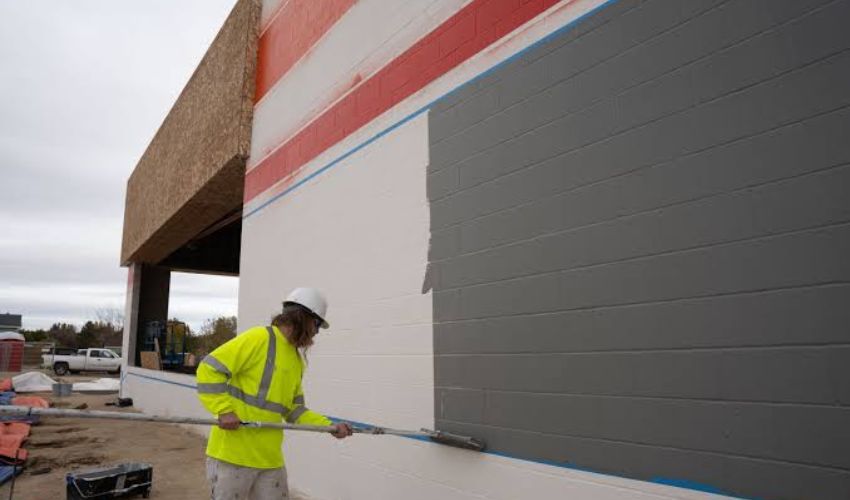
Review the Contractor and Assemble the Contract Package
The lowest price is not automatically the lowest project risk. Review whether the contractor understands occupied-site planning, surface preparation, access, communication and final documentation.
Check the proposed supervisor, workforce, insurance information, comparable experience and responsibility for any subcontractors. Confirm who attends meetings, submits variations and signs off completion.
A complete contract package may include the accepted quote, scope schedule, plans, finish schedule, programme, site rules, access plan, insurance records, exclusions, variation procedure and contact list.
Read about VicPainter and professional painters in Melbourne for company and service background. Then contact VicPainter with property photos, plans, surface defects, operating hours, access notes and the required tender or contract format.
Commercial painting contract package checklist
- ✓Accepted quote with project address, client details and contractor details.
- ✓Zone-by-zone scope of work with included and excluded surfaces.
- ✓Preparation, repair and coating schedule for each substrate.
- ✓Colour and sheen schedule with approval responsibility.
- ✓Programme, operating hours, staged access and completion milestones.
- ✓Access equipment, protection, barriers and site responsibilities.
- ✓Price breakdown, allowances, rates and payment stages.
- ✓Written variation, delay-notice and concealed-condition process.
- ✓Inspection, touch-up, cleanup, handover and warranty records.
- ✓Named contacts authorised to issue instructions and approve changes.
Information to send with a commercial painting contract enquiry
Send the property type and location, included zones, photos, drawings or measurements, known defects, colour requirements, access constraints, operating hours, required dates, tender documents, site rules and the person authorised to approve scope and variations.
FAQs
What are commercial painting contracts?
Commercial painting contracts are written agreements that define the painting scope, preparation, products, access, programme, price, changes, completion and responsibilities for a business, strata, industrial or institutional property.
Is a commercial painting quote the same as a contract?
A quote may become part of the contract after acceptance, but a complete agreement may also include terms, drawings, scope schedules, finish schedules, site rules and written clarifications. The documents should state what forms the final agreement.
What should a commercial painting scope of work include?
It should identify each included zone and surface, existing condition, preparation, repairs, primer, finish coats, colour, sheen, access, protection, exclusions and inspection requirements.
How should variations be handled?
Variations should be described and approved in writing before the changed work proceeds. The record should explain the reason, revised scope, price effect, programme effect and approving person.
Should a contract include surface repairs?
Yes, but the level of included repair must be defined. Minor filling may be standard preparation, while major plaster replacement, moisture damage, recurring cracks or widespread coating failure may need a separate allowance or variation.
Can commercial painting contracts include after-hours work?
Yes. The agreement should identify working hours, access, security, noise or odour controls, ventilation, drying time and when each area must be ready for normal use.
What documents should be kept after completion?
Keep the accepted contract documents, approved variations, inspection records, touch-up list, paint schedule, completion date, final account and warranty information.
Is this article a legal contract template?
No. It is a practical project-planning guide. Complex, high-value or risk-sensitive agreements should be reviewed by an appropriately qualified adviser before signing.
Planning a commercial painting contract in Melbourne?
Send VicPainter your tender documents, photos, plans, scope requirements, access notes, operating hours, surface defects and required dates for a clearer project discussion.
Important: This article is general project-planning information and is not a legal contract template or legal advice.
