

Professional Painters Glen Waverley for Homes & Businesses
Painters Glen Waverley property owners choose should start with the existing surfaces, not a generic package.
Homes, rentals, apartments, offices, and shops need different access, preparation, protection, and work sequences.
VicPainter builds painting scopes around the rooms, exterior materials, repairs, and daily use of each property.
Start With a Glen Waverley Scope That Matches the Property
A useful painting scope defines each surface before any colour decisions are finalised. It identifies walls, ceilings, timberwork, exterior cladding, fences, and damaged areas.
That detail prevents a repaint from becoming vague. It also makes preparation, products, access needs, and timing easier to compare.
Some projects refresh one room. Others coordinate a full house, townhouse, rental, office, or shop.
For broader service information, see professional painters in Melbourne. If you are also comparing services in nearby suburbs, painters ascot vale provides another example of how painting scopes can be tailored to different property types. This page focuses on practical decisions for Glen Waverley painting projects in Exterior Painters Melbourne
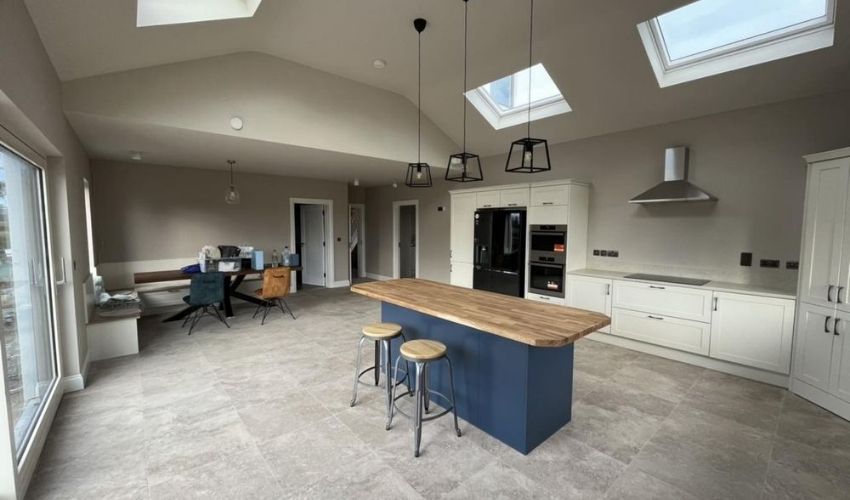
Make Interior Rooms Ready for Everyday Use
Interior painting works best when each room has a clear purpose. Kitchens, studies, hallways, bedrooms, and stairs do not wear in the same way.
Consider traffic, daylight, furniture, ventilation, and cleaning needs before selecting a finish. Sheen should support the room rather than follow one rule.
Treat ceilings, trims, and doors as separate surfaces
Ceilings, doors, skirting boards, architraves, and walls need different preparation and sheen. Their paint systems can also have different drying times.
Good masking and staged work protect adjoining rooms. This is useful in occupied homes and spaces with children or pets.
Plan rooms in an order that keeps life moving
A staged sequence can keep bathrooms, bedrooms, kitchens, and work areas available. It also allows time for patching, drying, sanding, and final coats.
Prioritise spaces with the highest daily demand. Reserve low-use rooms for drying or temporary storage where possible.
Existing kitchens, laundries, and vanities may need another coating system. Explore cabinet painting for high-use joinery.
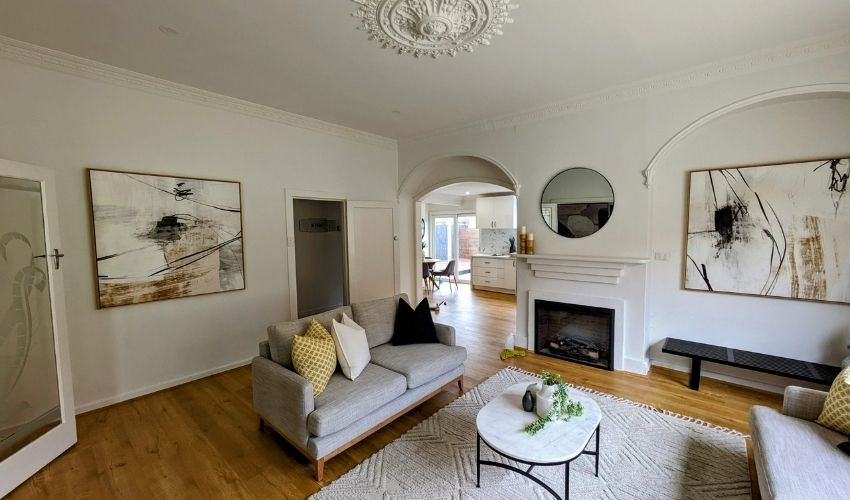
Map Exterior Surfaces Before They Need Major Repair
Exterior coatings protect more than wall colour. They help maintain weatherboards, render, brickwork, timber trim, metalwork, eaves, and external doors.
Inspect for peeling paint, failed caulk, exposed timber, water marks, stains, and loose render. Painting should follow repairs, not hide them.
Visit exterior painting services for broader outdoor preparation guidance. Surface dryness, weather, and access affect when each stage can proceed.
Choose the coating system by material
Timber, render, masonry, metal, and earlier paint layers need different preparation. One exterior product rarely suits every surface on the same property.
When an earlier coating is unstable, remove loose material and stabilise the edge. New paint needs a clean and sound base.
Keep gardens, paths, and neighbours in the project plan
Exterior work needs practical protection around gardens, driveways, windows, and outdoor furniture. Spray application also needs careful overspray control.
A clearly defined boundary reduces last-minute decisions. It also supports safe access, equipment placement, and cleaner handover.
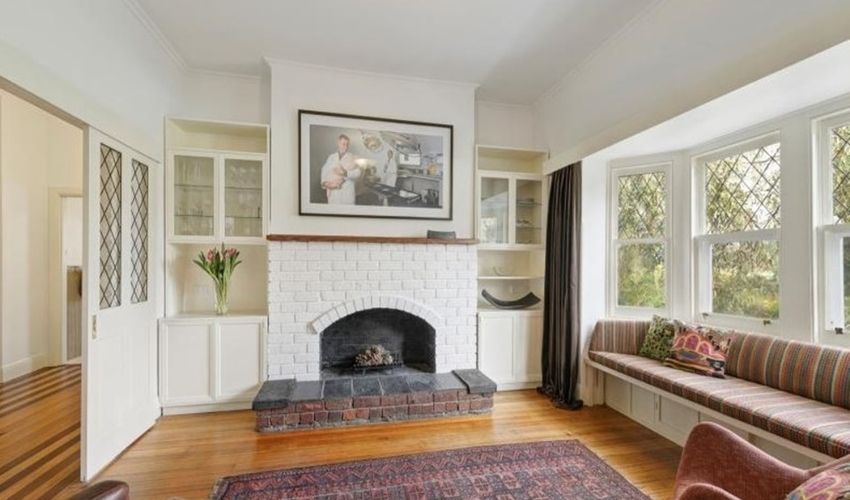
Bring Surface Repairs Into the Main Scope
Fresh paint can make existing damage more visible. Cracks, holes, stains, dents, failed joints, and uneven patches need attention first.
Repair work improves the final appearance only when it is dried, sanded, and primed correctly. Skipping these steps often creates visible flashing or uneven texture.
Use wall repair services for dents, holes, and minor damage. Larger issues may need plaster repair before painting.
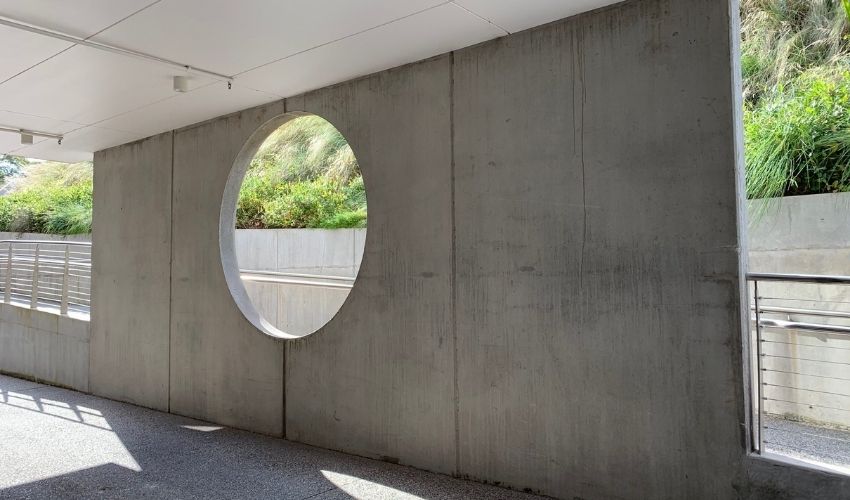
Use Colour and Sheen to Connect New and Existing Spaces
Colour plans should reflect natural light, flooring, joinery, and adjoining rooms. A sample can look different between morning and evening.
Test short-listed colours on the actual surface. Review them beside fixed materials such as benchtops, tiles, roofs, or carpets.
Build a finish schedule before work begins
A simple finish schedule lists each room, the paint colour, sheen, and affected surface. It reduces changes after the project starts.
Record feature walls, ceiling colours, doors, trims, and external accents. This helps connected spaces maintain a consistent finish.
A practical colour decision
Choose the finish after reviewing samples in the property. A digital image cannot show the effect of actual daylight, surrounding materials, or surface texture.

Set the Right Priorities for a Rental, Sale, or Move
A repaint needs different priorities when a move, tenant change, sale, or renovation is planned. Time, presentation, and occupied rooms often shape the scope.
Start with high-visibility spaces such as entries, living rooms, kitchens, bathrooms, and external frontage. Then decide whether secondary rooms need repainting or targeted repairs.
Rental and end-of-lease projects
Rental projects need a practical finish with clear repair allowances. The scope should identify maintenance, repairs, and items requiring owner approval.
Pre-sale presentation
For sale preparation, consistent colour and repaired surfaces can make rooms feel more cohesive. Avoid changes that do not suit the broader property presentation.
A clear project order also reduces rework. It helps coordinate cleaners, flooring specialists, movers, and other trades around paint drying times.
Use a Written Quote to Compare the Work, Not Just the Total
A useful quote describes the work before and after painting. It should not leave preparation, repairs, products, or access unclear.
Compare included surfaces, preparation, primer, coat count, paint system, protection, exclusions, and work sequence. These details affect both price and performance.
For broader selection guidance, read qualified and insured painters in Melbourne. Ask how variations are documented if hidden damage appears.
- ✓Which rooms, walls, ceilings, trims, doors, and exterior areas are included?
- ✓What cleaning, repairs, sanding, caulking, priming, and masking are included?
- ✓Which products, colours, and sheen levels apply to each surface?
- ✓How will floors, furniture, gardens, fixtures, and shared areas be protected?
- ✓What access, weather, parking, or work-hour assumptions affect the schedule?
- ✓How will hidden damage, extra repairs, and client changes be approved?
Coordinate Related Services Without Losing Control of the Scope
A full repaint can cover more than walls. Cabinetry, fences, gates, and business areas sometimes need separate preparation and products.
Keep each surface package clear, even when one contractor coordinates the project. That protects the quality of the finish and the quote.
For metal boundaries, use Colorbond fence painting guidance. For timber and masonry fences, see professional fence painting.
Managed and business premises may need staged access and work outside peak use. Read about commercial painting services for offices, shops, workspaces, and strata properties.
FAQs
How often should a home be repainted?
No single schedule suits every property. Surface exposure, traffic, substrate, paint quality, cleaning, and earlier preparation all matter.
Can painters work while we live or work in the property?
Yes, a staged plan can keep priority rooms available. It should address furniture, ventilation, drying, access, and daily hours before work begins.
Can I paint only a few rooms?
Yes. A smaller project can still look cohesive when it considers colour transitions, patch repairs, sheen, and touch-up limits.
What affects the cost of painters Glen Waverley?
Size, height, access, condition, repair work, paint system, colour changes, and protection requirements affect the scope.
Can I add fences or cabinets to the repaint?
Often, but those surfaces need their own preparation and coating systems. Include them clearly instead of assuming they match wall-paint work.
Need painters in Glen Waverley? Share rooms, repair needs, and timing for a clear painting scope.
