

House Painters St Kilda for Interior & Exterior Homes
House painters St Kilda homeowners choose need to understand more than colour charts. Coastal exposure, older detailing, apartment access, and lived-in rooms all affect the painting plan.
Vicpainter helps owners plan interior and exterior work around those practical conditions. Many homeowners comparing painters burwood and other Melbourne painting services value the same focus on surface preparation, practical planning, and long-lasting finishes. The aim is a finish that looks considered and remains easier to maintain.
For a terrace, apartment, beachside home, or renovated unit, each decision begins with the surface. Preparation, product selection, timing, and protection should suit the property rather than a generic checklist in Painters Melbourne
What a St Kilda House Painting Plan Should Cover
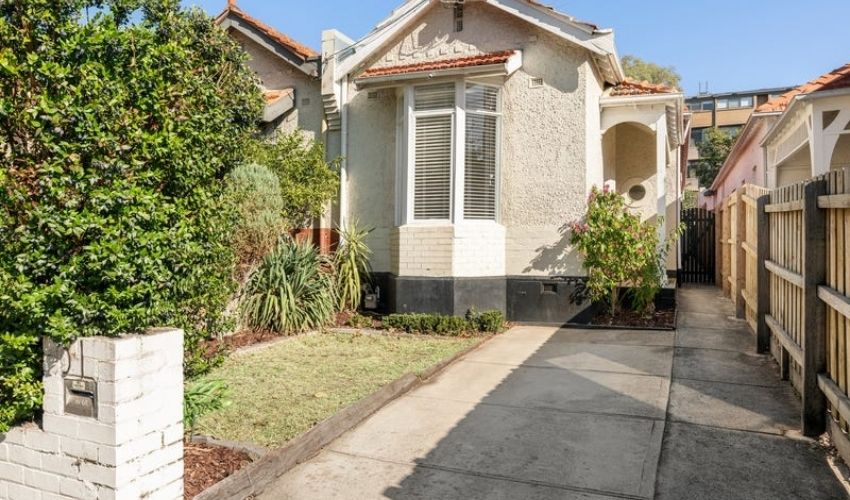
St Kilda homes can combine bay-facing façades, narrow side access, heritage-style features, converted apartments, and recent renovations. Each condition can change how painters prepare, protect, and sequence the work.
A clear plan separates the visible finish from the work underneath it. It records the areas, surface condition, access restrictions, repair needs, paint system, and expected handover.
Some local properties sit within heritage-overlaid areas. Owners should confirm any relevant approval requirements before changing external colours or significant exterior features.
For a broader local service overview, visit professional painters in St Kilda. This page focuses specifically on residential house painting decisions.
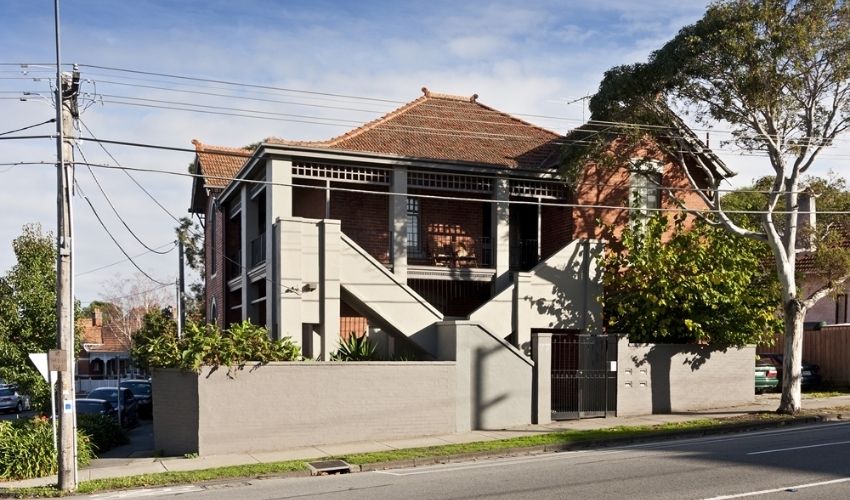
Interior House Painting for Everyday Living
Interior painting should improve the way your home functions, not only how it photographs. Walls, ceilings, doors, skirting boards, and trims each experience different wear.
In St Kilda apartments and occupied homes, the sequence matters. Completing rooms in stages can keep essential spaces available while the painting progresses.
High-contact areas often need practical, washable coatings. Ceilings, feature walls, timberwork, and repairs may need different preparation and sheen levels.
Make repair work part of the painting scope
Fresh paint can make dents, cracked joints, screw holes, and uneven patches more noticeable. Those defects need attention before the finish coats begin.
Use wall repair Melbourne or plaster repair services when damage needs proper patching before repainting. Painting over a problem merely gives the problem a new colour.
Work around furniture, pets, and daily routines
A practical interior plan identifies what stays in each room, what moves, and where painters can set up safely. It also confirms ventilation, drying time, and access requirements.
That detail is especially useful in compact apartments, shared homes, and homes with young children or pets. Human life inconveniently continues even while paint dries.
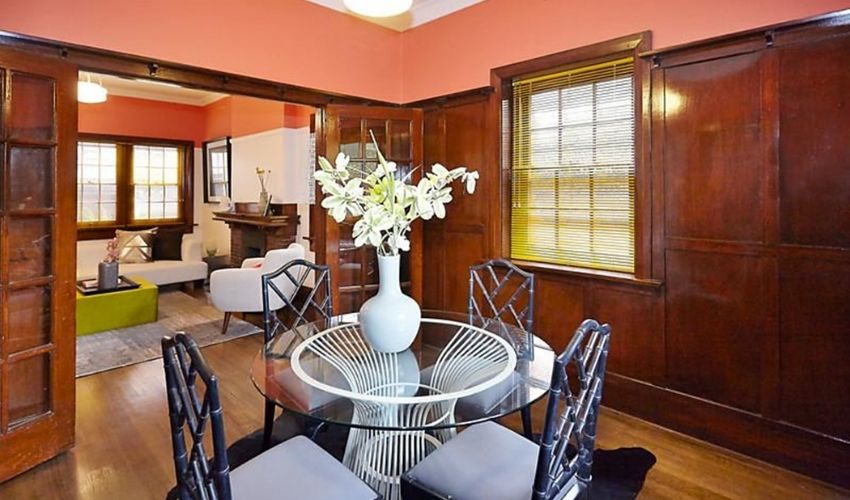
Exterior Painting Near the Bay
Exterior surfaces face sunlight, wind-driven moisture, dust, and changing temperatures. Near the coast, those conditions can expose weak paint edges and untreated timber sooner.
An exterior repaint should begin with inspection, not colour selection. Check for flaking paint, open joints, failed sealant, damaged boards, water marks, and unstable coatings.
The next step is choosing a coating system for the material. Brick, render, weatherboard, metal, timber, fences, eaves, and external doors should not be treated as identical surfaces.
Explore exterior painting services for a wider overview of façade preparation and repainting. For boundary timber or metal fencing, including colorbond fence painting, professional fence painting can be added to the same property plan where suitable.
Why surface dryness matters
Exterior coatings perform best when the surface is clean, sound, and dry. Rain, damp timber, and poor drying conditions can interrupt the schedule.
A good painter plans around conditions instead of forcing a finish coat onto an unsuitable surface. Weather does not negotiate, despite humanity’s long history of trying.
Preserve detail before applying fresh colour
Older façades may include mouldings, brackets, sash windows, decorative timber, or rendered details. Careful cleaning and repair help retain crisp edges and balanced colour changes.
Where heritage controls may apply, confirm the applicable rules before changing visible exterior elements. That is cheaper than discovering the planning issue after the ladder arrives.
Preparing Period Homes and Renovated Surfaces
Preparation determines whether paint adheres evenly and looks consistent in changing light. It can include washing, degreasing, scraping, sanding, gap filling, caulking, stain blocking, patching, and priming.
The exact steps depend on the existing surface. A glossy door, repaired plaster wall, weathered timber board, and stained ceiling need different treatment.
Older coatings deserve extra care. Where old paint may contain lead, do not sand or remove it casually. Use an appropriately controlled approach and seek professional advice.
Good preparation also reduces the urge for unnecessary extra coats. Coverage improves when the surface is clean, even, and properly primed.

Colours and Sheens That Work in Your Home
Colour should be tested in the actual room and at different times of day. Natural light, window orientation, existing floors, furnishings, and adjacent rooms all alter the result.
Sheen affects both appearance and maintenance. Flatter finishes can soften wall imperfections, while more washable finishes may suit busy hallways, kitchens, and children’s rooms.
For doors, cabinets, and joinery, choose the product system around the substrate and expected use. A kitchen refresh may be better handled through cabinet painting rather than a general wall-paint approach.
Build a room-by-room finish schedule
A finish schedule avoids last-minute guesses. It can list wall colour, ceiling colour, trim colour, sheen level, and any feature areas for each room.
This becomes useful when one space connects to another. Hallways, open-plan areas, stairwells, and door trims look better when the finish plan stays consistent.
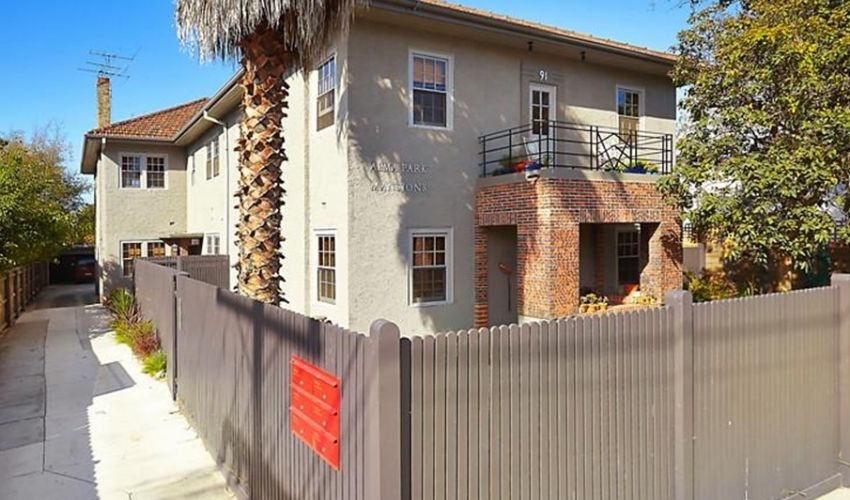
Comparing House Painter Quotes with Confidence
A painting quote should explain the work, not hide it behind broad phrases. Compare scopes before comparing totals, because cheaper quotes may exclude preparation, repairs, paint quality, or extra coats.
Ask each painter to identify the included surfaces, preparation steps, products, coat count, access assumptions, exclusions, and expected timing. That makes the comparison far more useful.
For more decision support, review qualified and insured painters in Melbourne and painters moonee ponds. The page outlines the service standards property owners should expect from a professional painter.
- ✓Which rooms, walls, ceilings, trims, doors, and exterior areas are included?
- ✓What repair work, primer, sanding, washing, and caulking are included?
- ✓Which coating system and sheen level will be used on each surface?
- ✓How will furniture, floors, gardens, fixtures, and shared areas be protected?
- ✓What access, parking, weather, or approval assumptions affect the price?
- ✓How are variations handled if hidden damage appears during preparation?
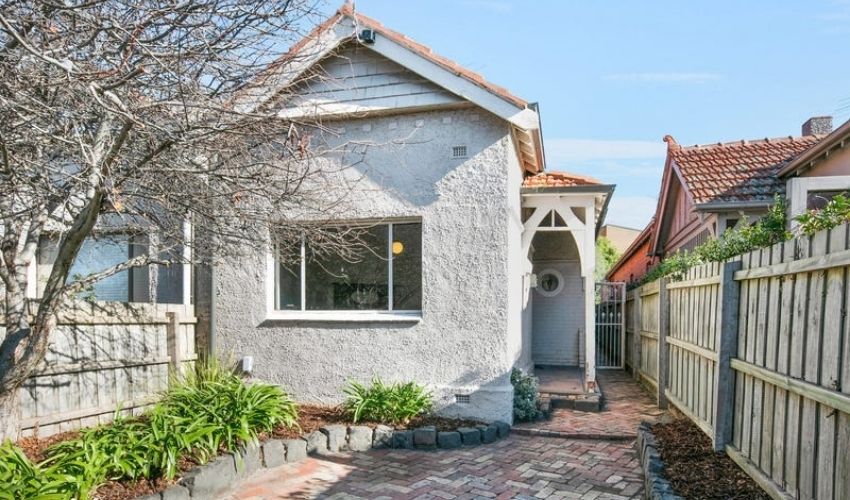
Planning an Occupied-Home Painting Project
Many house painters st kilda projects can proceed while residents remain at home. The key is a staged plan with clear room order, protection measures, and realistic drying periods.
Before work starts, remove fragile décor, clear small items, and identify any furniture that cannot move. Tell the painter about pets, alarms, children, access instructions, parking, and home-office needs.
A good plan reduces disruption without pretending it disappears. Wet paint, drop sheets, and ladders are not renowned for their ability to blend into domestic life.
A simple project sequence
First, confirm the scope and final colours. Next, complete repairs and protection before moving through each area in an agreed order.
At handover, inspect the completed rooms against the original scope. Then confirm any touch-ups, drying guidance, and re-entry timing for the finished spaces.
FAQs
What should house painters St Kilda include in a quote?
The quote should identify surfaces, preparation, coatings, coats, access assumptions, exclusions, and any repair allowances. Ask for clarification where the scope uses general terms.
Can painters work in an occupied St Kilda apartment?
Yes, many projects can be staged around occupied rooms. Confirm building access, work hours, lift use, parking, furniture movement, ventilation, and drying time before booking.
Do coastal homes need a different exterior painting approach?
The paint system should reflect the material, existing coating condition, exposure, and drying conditions. An inspection helps determine the necessary washing, repair, primer, and coating steps.
Should I repair plaster before painting?
Yes. Holes, cracks, loose tape, and uneven patches often show more clearly after repainting. Repairs should dry and be properly finished before final coats are applied.
How early should I choose paint colours?
Choose colours before the project begins and test samples in your own light. A room-by-room finish schedule prevents uncertainty once the work is underway.
Can Vicpainter paint fences and cabinets as part of a house project?
Vicpainter offers fence painting and cabinet painting services. Whether they belong in the same schedule depends on access, surface condition, product requirements, and timing.
Official homeowner and safety references
- ✓City of Port Phillip: Heritage information and planning guidance
- ✓Consumer Affairs Victoria: Getting quotes for building and renovating
- ✓WorkSafe Victoria: Managing lead-based paint removal
Planning a house painting project in St Kilda?
Send photos, the areas to paint, your preferred timing, and access details. A clear brief makes the first quote more useful.
