
The Ultimate Guide to Understanding Fence Painting Cost Per Linear Foot
Upgrading your home’s exterior is one of the most effective ways to boost curb appeal and protect your property from the harsh elements. Whether you are preparing to sell or simply want to refresh your outdoor living space, a fresh coat of paint on your boundary lines makes a dramatic difference in house painters melbourne. As homeowners start planning their exterior renovations, a common question immediately arises regarding the financial investment required.
If you are currently evaluating your options, determining exactly how much does it cost to paint a fence helps you set realistic expectations and avoid surprise expenses. To budget accurately, you need to look beyond a simple flat rate. Understanding the fence painting cost per linear foot requires analyzing several distinct variables, from the current condition of your timber to the quality of materials you choose.
Why Estimating Your Fence Painting Budget is Crucial
Establishing a clear budget puts you in control of your renovation project. When you break down the expenses into a per-foot metric, comparing quotes from different contractors becomes much easier. It also allows you to make informed decisions about where to allocate your funds. For instance, you might decide to invest in a premium, weather-resistant stain rather than a standard exterior paint, knowing exactly how that choice impacts your overall bottom line.
A precise understanding of the pricing structure also helps you evaluate whether taking the DIY route is actually cost-effective once you factor in equipment rentals, materials, and the immense value of your own time.
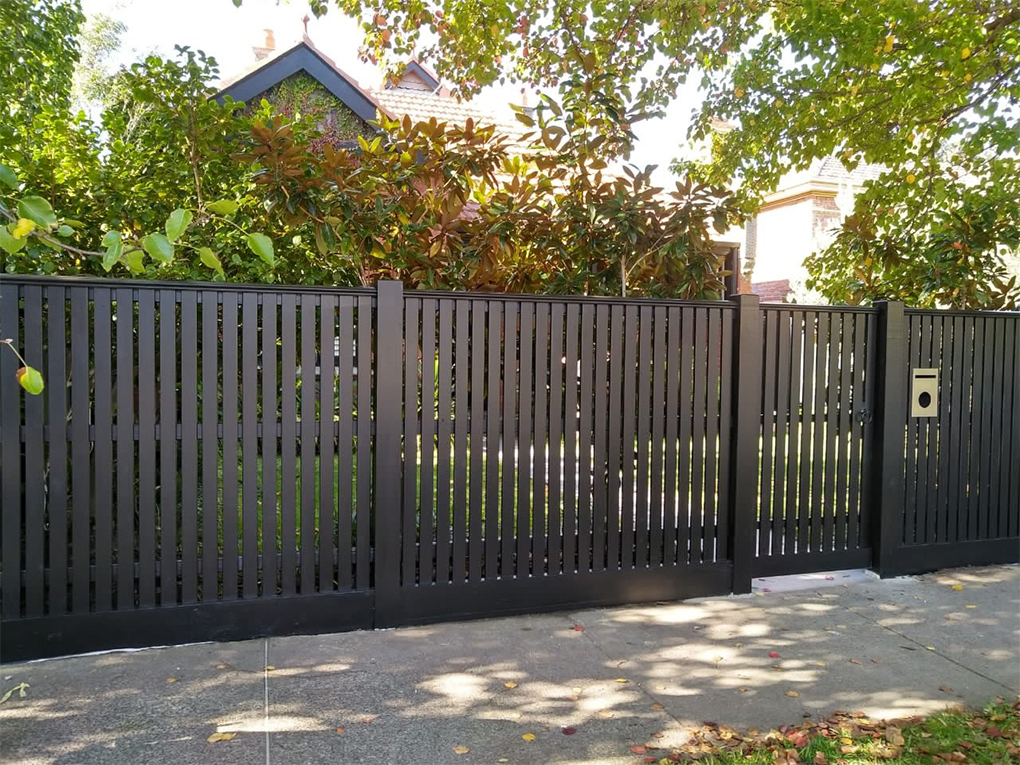
Core Factors Influencing the Fence Painting Cost Per Linear Foot
No two properties are exactly alike, which means pricing fluctuates based on the specific parameters of your yard. Several primary factors determine the final fence painting cost per linear foot.
Material and Style of the Fence
The physical composition of your boundary heavily dictates the labor and materials required. A standard timber paling style absorbs paint differently than a smooth metal or Colorbond surface. Rough-sawn timber often requires more product and effort to achieve full coverage, driving up the material costs.
Furthermore, intricate designs like lattice work or picket styles demand meticulous brushwork rather than rapid spraying, increasing the total labor time and, consequently, the price.
Current Condition and Necessary Repairs
Painters cannot simply apply a fresh coat over rotting wood or heavy mold. If your boundary lines have been neglected, the preparation phase will require significantly more effort. Replacing damaged palings, treating mold, and sanding rough patches add to the overall labor.
A pristine, brand-new installation will always boast a lower painting cost per linear foot compared to an older structure requiring extensive rehabilitation.
Paint Quality and Application Methods
The type of coating you select plays a massive role in the longevity of the finish. Premium acrylic exterior paints or high-grade penetrating stains cost more upfront but provide superior UV protection and moisture resistance. Additionally, the application method matters.
Spraying is generally faster and more economical for long, solid runs, while traditional brushing and rolling provide thicker coverage but take considerably more time.
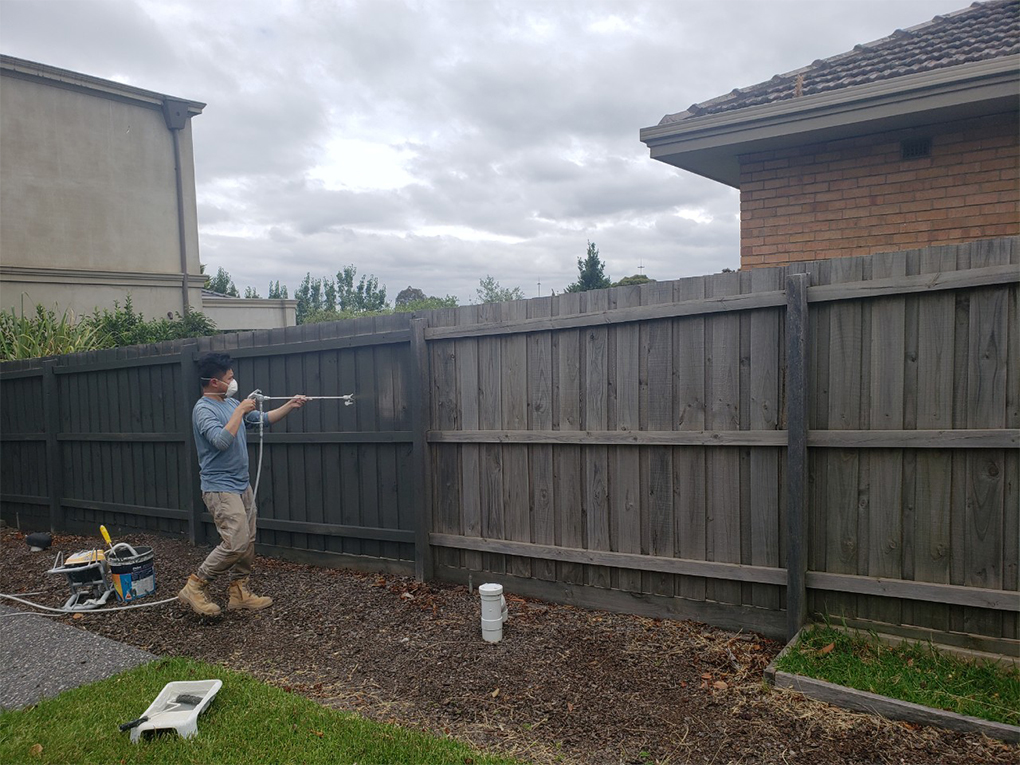
The Importance of Proper Preparation
Professional results stem directly from meticulous preparation. Skipping steps in the prep phase guarantees premature peeling and a finish that looks amateurish.
Dealing with Peeling and Flaking Surfaces
Applying new color over a failing foundation is a waste of time and money. The new coat will simply pull the old, loose material away from the wood. Therefore, mastering how to remove old fence paint is a mandatory step for restoring older structures. This process often involves power washing, aggressive scraping, and power sanding to create a smooth, porous surface that readily accepts a new primer.
Protecting Your Landscaping
One of the most challenging aspects of exterior maintenance is safeguarding the surrounding environment. Overspray and drips can easily ruin pristine lawns, flowerbeds, and hardscaping. Property owners constantly look for techniques regarding how to paint a fence without getting it on grass. Professionals utilise drop cloths, heavy-duty masking paper, and precise application tools to ensure the color only goes exactly where it belongs.
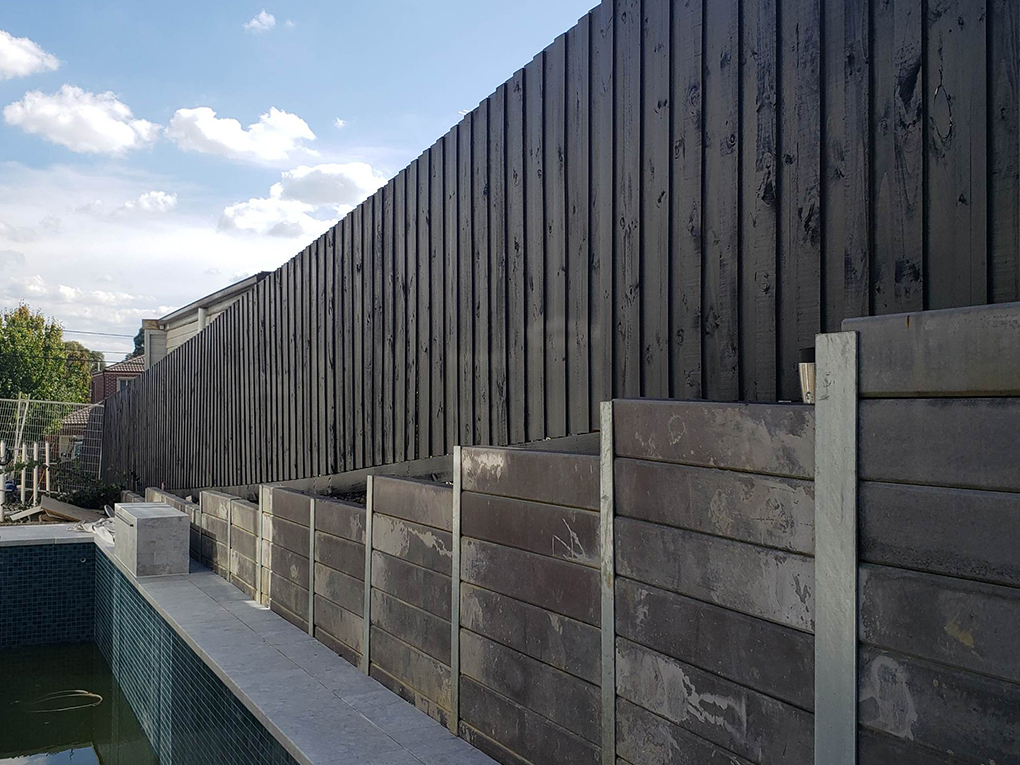
Focusing on the Details for a Cohesive Look
A truly professional job addresses every single component of the structure, not just the large, highly visible panels. The structural supports take the brunt of the weather and ground moisture, making them critical to the overall aesthetic and integrity of the boundary.
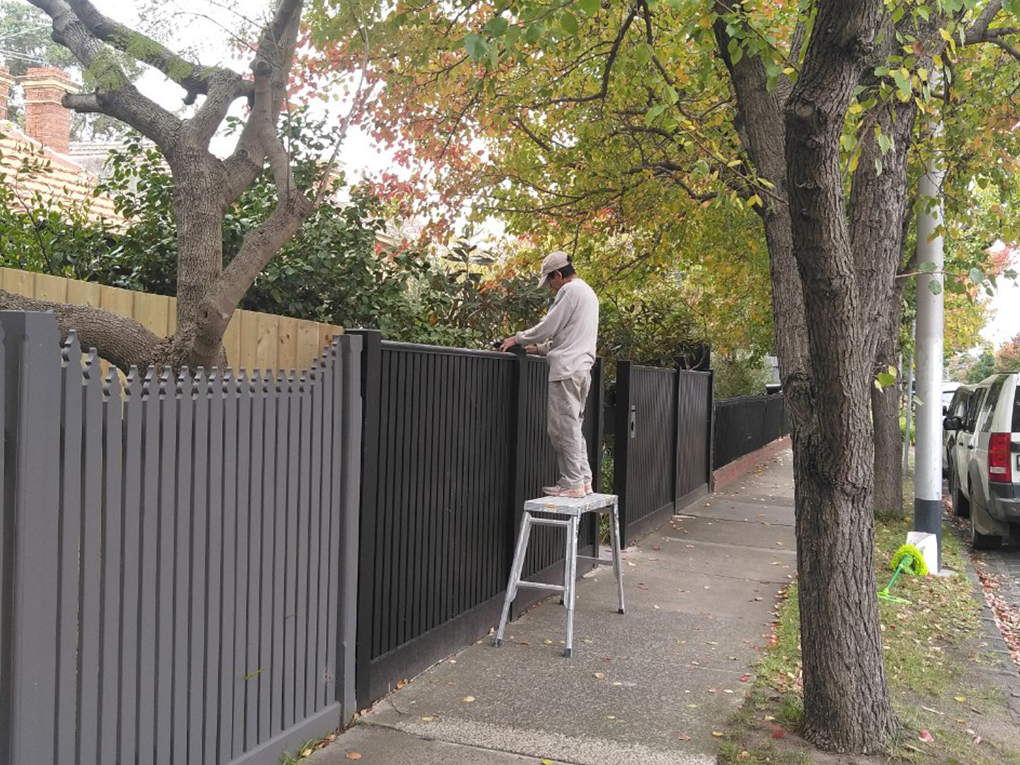
Understanding how to paint fence posts correctly—often involving moisture barriers and specific primers—ensures these essential elements do not rot or fade faster than the rest of the installation. Consistent attention to these details guarantees a uniform, high-quality finish.
DIY vs. Professional Services: Evaluating the ROI
Many homeowners initially consider tackling this project themselves to save money. While DIY can reduce the immediate fence painting cost per linear foot by eliminating labor charges, it often introduces hidden expenses. Purchasing high-quality brushes, renting a professional-grade airless sprayer, and acquiring scaffolding or ladders quickly eats into those savings.
Furthermore, professional tradespeople possess the expertise to complete the job efficiently, often finishing in a single day what might take a homeowner several grueling weekends. Engaging professional fence painting services provides peace of mind, guaranteed results, and typically a warranty on the workmanship.
Frequently Asked Questions (FAQs)
What is the average fence painting cost per linear foot?
While prices vary by region and material, most homeowners can expect to pay anywhere from $3 to $10 per linear foot. This range accounts for standard labor, basic prep work, and mid-range paint. Highly intricate designs or severe damage will push the price toward the higher end of the spectrum.
Does the height of the structure affect the price?
Absolutely. The standard metric usually assumes a standard 6-foot height. Taller structures require more materials and often necessitate ladders or scaffolding, which increases the labor difficulty and the total project cost.
Do I need to apply primer before painting?
In most cases, yes. Primer seals the porous wood grain, blocks tannins from bleeding through the topcoat, and provides a strong adhesive layer for the final color. Skipping primer usually results in uneven coverage and a shorter lifespan for the paint job.
How often should exterior timber be repainted?
Depending on the local climate and the quality of the previous job, a well-painted exterior wood surface should last between 5 to 8 years. Stained wood may require a maintenance recoat every 3 to 5 years to maintain its water resistance.
Is it cheaper to stain or paint?
Staining is often slightly cheaper in terms of upfront material costs and labor, as it rarely requires a separate primer layer. However, paint typically lasts longer before requiring a total redo, making the long-term costs fairly comparable.
Refreshing your property lines is a brilliant investment that yields high returns in both aesthetic appeal and structural longevity. By understanding the variables that dictate the fence painting cost per linear foot, you can effectively plan your budget, select the right materials, and communicate clearly with potential contractors.
Prioritise thorough preparation, choose premium weather-resistant coatings, and do not overlook the intricate details of the structural posts. If you want a flawless, enduring finish without the physical strain of a massive DIY project, reaching out to experienced professionals is the best next step. Start planning your exterior transformation today and give your home the beautiful, polished perimeter it deserves!
- Address: 71 Rochester Road, Balwyn, VIC 3103
- Hotline: 0401 851 598
- Email: pm@vcolour.com.au
- Website: www.vicpainter.com
- Facebook: facebook.com/fencepaintingmelbourne/
- Instagram: instagram.com/wallrepair.melbourne/
