

Painters Seddon: How to Plan a Successful Interior & Exterior Painting Project
Painters Seddon property owners choose need more than a fresh colour. Older façades, compact access, occupied rooms, and adjoining homes can all affect the painting plan.
Whether you are refreshing a terrace, townhouse, apartment, or shopfront, preparation shapes the result. A clear scope should fit the surfaces, the property use, and the timing.
Vicpainter plans interior and exterior painting around practical conditions. The aim is a clean, durable finish with fewer last-minute surprises in Professional Painters Melbourne
What a Seddon Painting Plan Should Cover
Seddon homes may combine period-era details, weatherboards, brickwork, rendered surfaces, modern additions, and low-rise units. Each surface needs its own preparation and coating approach.
A practical scope records the rooms or exterior areas, surface condition, repairs, protection, access, paint system, and handover expectations. This gives you a useful basis for comparing proposals.
Some Seddon properties may be affected by heritage controls. Check the applicable council requirements before changing prominent external colours or visible exterior features.
For a whole-property overview, explore professional house painting. This guide focuses on local planning decisions for Seddon homes and small premises.

Interior Painting for Homes That Stay Occupied
Interior painting should support everyday use, not only improve photographs. Walls, ceilings, doors, trims, and skirting boards experience different levels of wear.
A room-by-room sequence can keep kitchens, bedrooms, and work areas available while painting progresses. It also makes protection and clean-up easier to manage.
High-touch zones often benefit from suitable washable finishes. Ceilings, timberwork, feature walls, and repaired areas may need different products and sheen levels.
Plan the work around furniture, pets, and routines
Before work starts, identify what stays in each room, what moves, and which areas need daily access. Good planning reduces avoidable disruption.
The plan should also cover ventilation, drying time, entry routes, and protected storage. Small details are valuable in compact homes.
Repair visible damage before the final coats
Fresh paint can make dents, screw holes, cracked joints, and uneven patches more obvious. These issues need attention before the finish coats begin.
Use wall repair services or plaster repair where damage needs proper patching. Paint hides colour differences, not unstable surfaces.

Exterior Painting for Seddon Homes
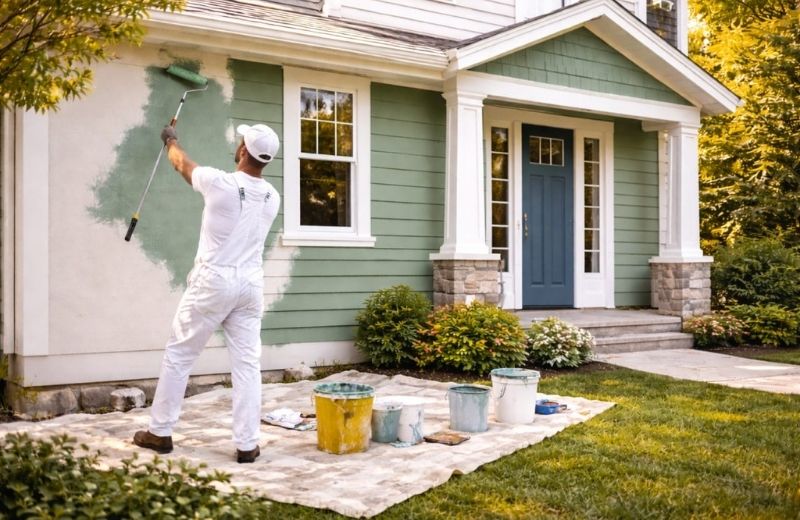
Exterior paint deals with sun, rain, airborne dust, and temperature changes. Weak edges, open joints, bare timber, and failed sealant can shorten the life of a new coating.
Start with an inspection before choosing a colour. Check for peeling paint, moisture marks, cracked render, corroded metal, damaged timber, and unstable previous coatings.
The coating system should match the substrate. Brick, render, timber, weatherboard, metal fencing, eaves, and external doors should not be treated as identical materials.
See exterior painting services for a wider overview. For boundary surfaces, professional fence painting can be included within a coordinated exterior scope.
Respect visible details and local character
Older façades can contain timber trims, mouldings, original windows, decorative vents, or rendered details. Preparation should preserve crisp lines and avoid covering faults with heavy paint.
Where heritage controls apply, confirm what is allowed before exterior changes begin. This is especially important when a colour change affects the street-facing presentation.
Choose dry, suitable conditions
Exterior coating work needs clean, sound, and dry surfaces. Rain, morning moisture, damp timber, or unsuitable drying conditions can change the schedule.
A professional approach adjusts the work sequence to the weather and product instructions. Forcing a finish coat onto an unsuitable surface creates unnecessary risk.
Surface Preparation Before Any Repaint
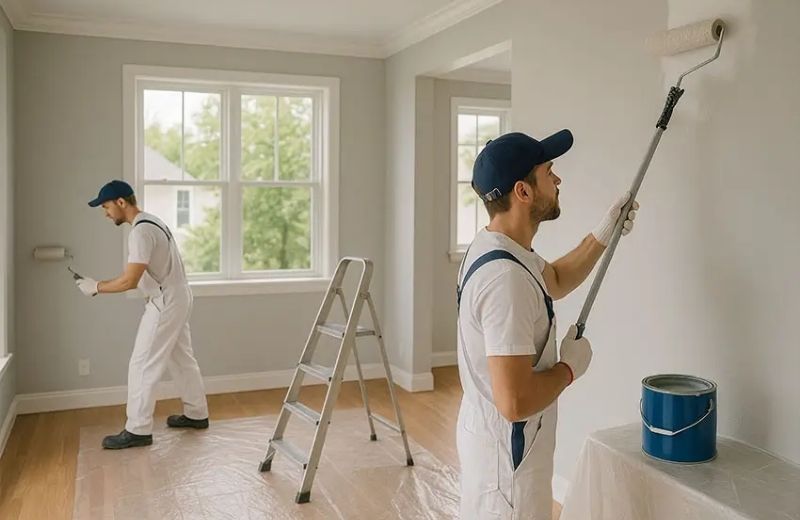
Preparation establishes the base for a consistent paint finish. Depending on the material, it can include washing, degreasing, scraping, sanding, filling, caulking, patching, stain blocking, and priming.
The right preparation depends on the existing substrate. A glossy door, repaired plaster wall, aged weatherboard, and stained ceiling all need different treatment.
Older coatings deserve extra caution. Where paint may contain lead, do not sand or remove it casually; use an appropriately controlled method and seek professional advice.
Good preparation can improve coverage and reduce unnecessary extra coats. It also makes edges, colour changes, and final touch-ups more predictable.
Colour and Finish Planning for Connected Spaces
Test paint colours in the actual space and at different times of day. Window direction, flooring, lights, furniture, and neighbouring rooms can change how a colour reads.
Sheen affects both appearance and maintenance. Lower-sheen walls can soften minor imperfections, while more washable finishes may suit hallways, kitchens, and active family areas.
A room schedule avoids last-minute decisions. List wall colour, ceiling colour, trim colour, sheen level, and feature areas before painting starts.
For kitchen joinery or built-in storage, cabinet painting may offer a practical refresh without a full replacement project.
Keep the palette intentional
Use connecting rooms to guide colour choices. Hallways, stairwells, open-plan areas, and visible door trims benefit from a consistent finish strategy.
A small sample area is more reliable than a colour chip alone. It helps reveal undertones before the entire room is painted.
Painting for Rental, Sale, and Small Business Use
A targeted repaint can improve presentation before photography, inspections, tenancy changes, or a business reopening. The scope should prioritise visible surfaces, repair items, and areas with the greatest wear.
For a rental property, identify tenancy dates, access conditions, cleaning requirements, and the expected handover standard early. A staged plan can reduce downtime between occupants.
For small offices, studios, cafés, or retail spaces, timing and safety matter alongside colour. See commercial painting services for planning around business operations and customer access.
Work that combines interior repairs, exterior touch-ups, fencing, and joinery should be itemised. This avoids a quote that appears complete but excludes essential preparation.
How to Compare Painters Seddon Quotes
Compare painting scopes before comparing totals. A lower price can omit repairs, primer, surface cleaning, paint quality, access allowances, or the number of finish coats.
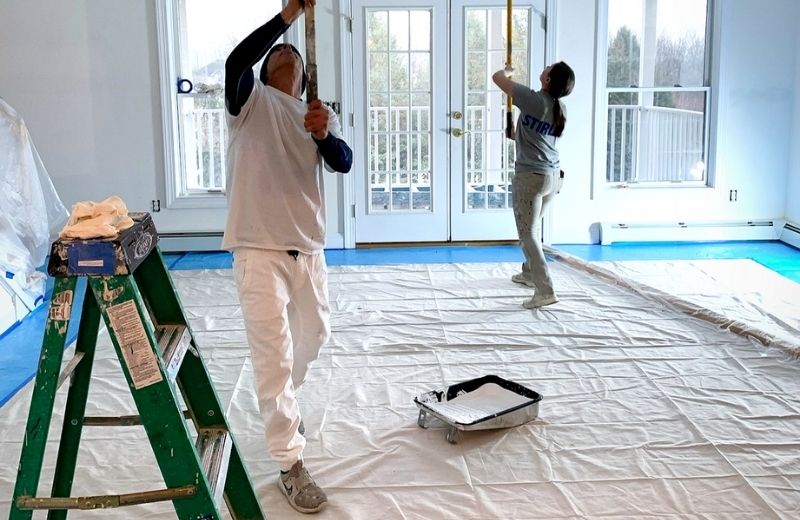
Ask each painter to confirm the surfaces, preparation, products, coat count, protection measures, exclusions, and expected timing. Written clarity is more useful than broad promises.
For general selection guidance, review qualified and insured painters in Melbourne. . If you are also comparing services in nearby suburbs, looking at experienced painters Ascot Vale alongside local Seddon contractors can provide a better understanding of painting scopes, preparation standards, and project inclusions. The key is to choose a scope that matches the condition and purpose of your property.
- ✓Which rooms, walls, ceilings, trims, doors, or exterior areas are included?
- ✓What washing, patching, sanding, caulking, priming, and repair work is included?
- ✓Which paint system and sheen level will be used on each surface?
- ✓How will floors, furniture, gardens, fixtures, and shared areas be protected?
- ✓What access, weather, parking, or approval assumptions affect the quote?
- ✓How will variations be managed if hidden damage appears during preparation?

FAQs
What should a painters Seddon quote include?
The quote should identify the surfaces, preparation, paint system, coat count, access assumptions, protection, exclusions, and expected timing. This gives you a like-for-like basis for comparing proposals.
Can painters work while we are living at home?
Yes, when the job is planned in stages. Confirm the room sequence, furniture arrangements, ventilation, pet access, drying time, and any rooms that must remain available.
Should plaster and wall damage be repaired before painting?
Yes. Holes, cracking, uneven joins, and previous patch repairs should be properly prepared before final coats. Repairs that are rushed can remain visible after painting.
Can exterior painting continue during changing weather?
Exterior work requires weather-aware planning. The surface should be dry and conditions should suit the chosen product before each stage proceeds.
Can one contractor include fences or cabinetry?
Yes, where the scope and surfaces are suitable. A coordinated plan can include house painting, fencing, wall repairs, and cabinet painting, with each material receiving the correct preparation.
Need a clear painting scope for a Seddon property?
Share photos, approximate measurements, and the areas you want to refresh. Include any repair concerns, access limits, tenancy dates, or colour preferences.
Vicpainter can help plan interior, exterior, fence, repair, and cabinet work around the condition of your property.
