
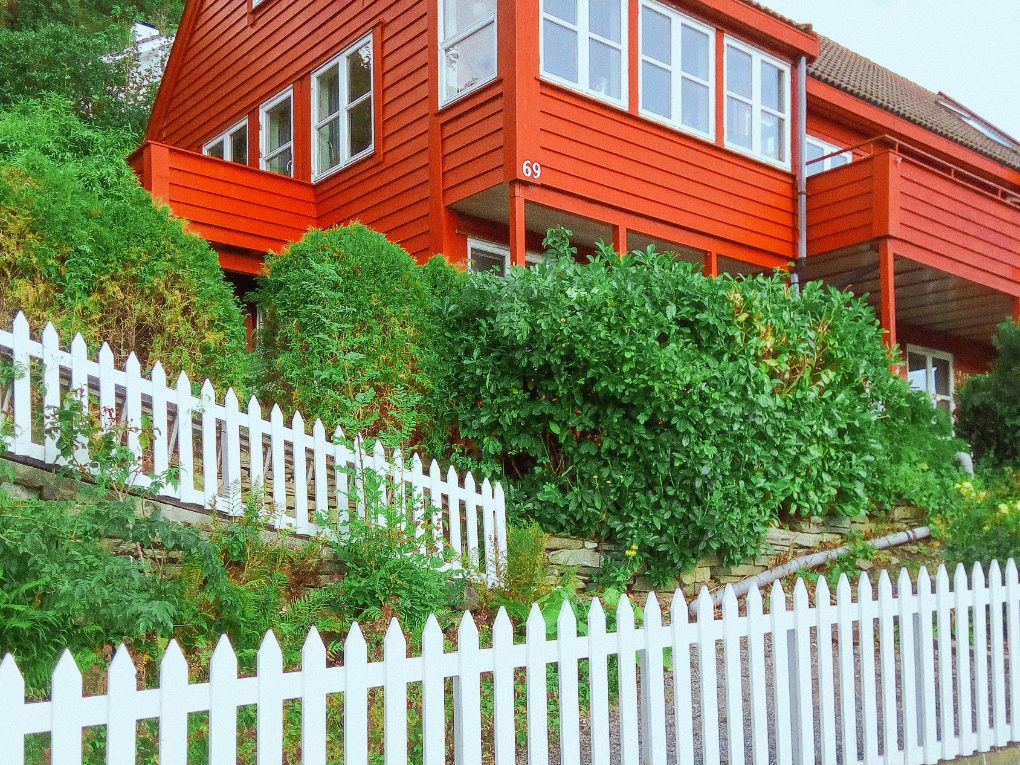
Inspiring Paint Ideas for Fences
Instead of treating your fence as just a functional property line, look at it as a massive, blank canvas. Implementing the right paint ideas for fences can dramatically shift the mood of your entire property, making your garden look lusher, your space feel larger, and your home stand out with brilliant street appeal in residential painters melbourne
Why Upgrading Your Fence Colour Matters
A fresh coat of paint does much more than simply alter the aesthetics of your garden. Aesthetically, the right backdrop can make your plants pop, creating a vibrant contrast against green foliage.
Functionally, exterior structures take a beating from harsh UV rays, heavy rain, and fluctuating temperatures. Applying high-quality exterior products seals the porous timber, preventing rot, warping, and pest infestations.
By upgrading the colour, you immediately increase the perceived value of your property. It provides an instant facelift that ties your exterior design together, creating a cohesive look between your house exterior, your landscaping, and your outdoor living areas.
Top Paint Ideas for Fences: Trending Colours and Finishes
Choosing a colour can feel overwhelming, but looking at current design trends provides an excellent starting point. Here are some of the most effective and popular palettes used in modern exterior design.
Classic Charcoal and Monument Dark Tones
Dark fences are incredibly popular right now, and for a good reason. Deep shades like charcoal, slate, and almost-black hues act as a sophisticated shadow in your garden.
The dark background makes the bright greens of your foliage and the vivid colours of your flowers stand out brilliantly. Furthermore, dark colours easily hide dirt, watermarks, and minor imperfections in the timber.
Crisp Whites and Coastal Creams
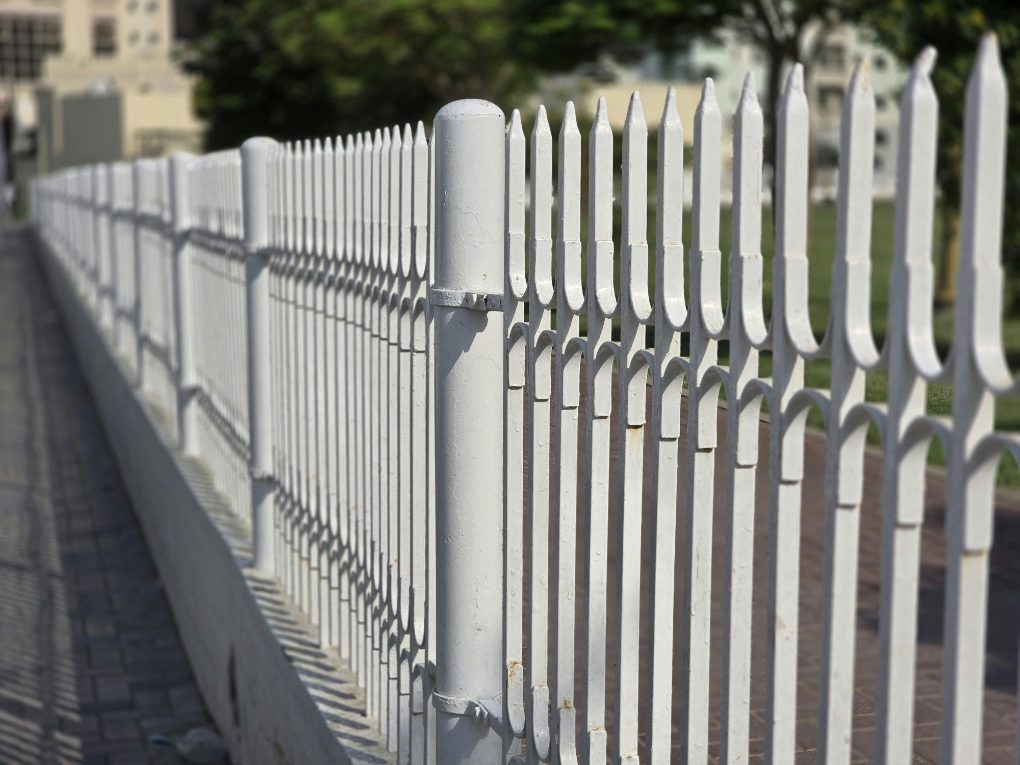
If you have a heritage-style home, a weatherboard cottage, or you simply love the coastal “Hamptons” aesthetic, white is a timeless choice.
Crisp whites and warm creams instantly brighten up a small or heavily shaded yard, reflecting natural light and making the space feel expansive.
Keep in mind that white surfaces require a bit more maintenance to keep them looking pristine, as they show dirt more readily than darker shades.
Natural Timber Tones and Protective Stains
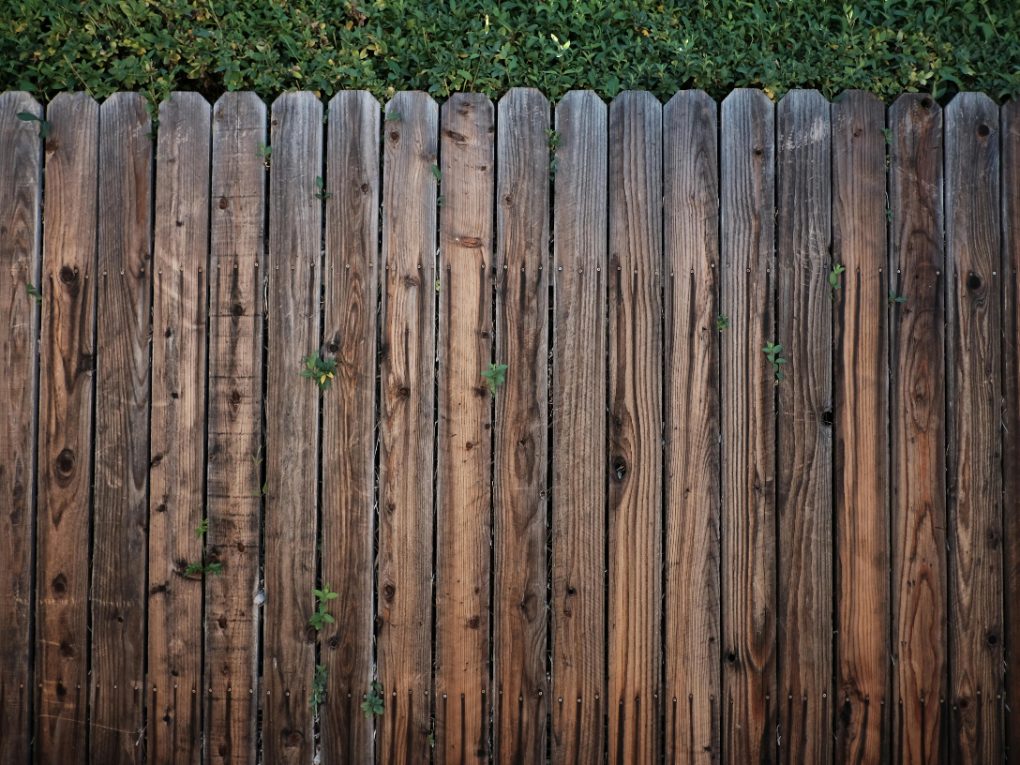
Sometimes, the best colour is no colour at all. If you have a beautiful, high-quality timber structure, you might want to highlight the natural grain rather than cover it up.
Using tinted oils or semi-transparent stains enriches the wood’s natural hue while providing essential UV protection and water resistance.
Bold Feature Colours for Modern Courtyards
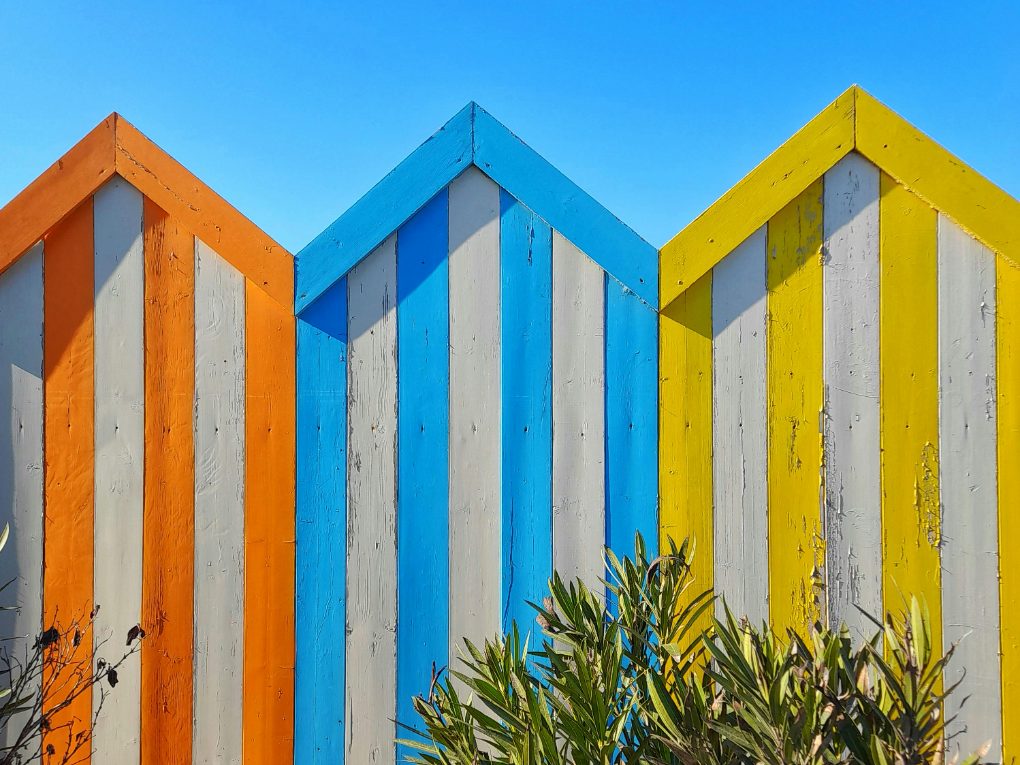
For smaller courtyards or designated entertaining areas, consider a bold feature wall. Earthy terracottas, muted sage greens, or deep navy blues can create a striking architectural focal point. Feature colours work best when coordinated with your outdoor furniture cushions or existing exterior trim.
Choosing the Right Product for Longevity
The success of your project heavily relies on the materials you select. Standard interior paints will fail rapidly when exposed to the elements.
Selecting a specialized, high-quality wood fence paint is critical. These formulas are designed specifically to flex with the timber as it expands and contracts with temperature changes, preventing cracking and peeling over time.
Look for products that offer UV protection, self-priming capabilities (if applicable), and resistance to mould and mildew.

The Crucial Preparation Stage
The golden rule of any exterior project is that the finish is only as good as the preparation. You must remove dirt, cobwebs, and peeling flakes before you even open a tin.
A common dilemma homeowners face is whether they can skip the undercoat. If you find yourself asking, do you need to prime a fence before painting, the answer depends heavily on the condition of your timber.
Unpainted, bare timber almost always requires a primer to seal the surface and prevent tannins from bleeding through and ruining your topcoat.
If the existing surface is sound and you are using a self-priming exterior acrylic, you might be able to skip a dedicated primer step.

Application Methods: Brush, Roller, or Spray?
Choosing how to apply the product impacts both your timeline and the final texture.
- Brushing: Ideal for precision work, cutting in around edges, and working the product deep into the rough grain of older timber. However, it is highly time-consuming for large boundary lines.
- Rolling: A thick-nap roller speeds up the process significantly and provides great coverage on flat palings, though you will still need a brush for the gaps and edges.
- Spraying: For extensive boundary lines, choosing to spray paint fence structures is the ultimate time-saver. An airless sprayer provides an incredibly smooth, uniform finish and easily pushes the product into deep crevices. However, spraying requires extensive masking to protect nearby plants, pathways, and neighbours’ property from overspray.
A Quick Guide to Flawless Execution
Having a structured approach prevents mistakes and wasted effort. Understanding the basics of how to paint fence sections efficiently will make the weekend project much smoother:
- Clean: Power wash the surface on a low setting to remove grime without damaging the wood fibres. Let it dry completely.
- Repair: Hammer in loose nails, sand down splintered areas, and replace rotting palings.
- Protect: Lay down drop cloths to protect your grass, paving, and garden beds.
- Cut In: Use a high-quality brush to tackle the edges, corners, and the awkward spaces between the palings first.
- Broad Areas: Move on to the main face of the palings using a roller or sprayer, maintaining a wet edge to avoid overlap marks.
- Second Coat: Always apply a minimum of two coats for full opacity and maximum weather protection.
When to Call in the Experts
While tackling your garden boundary can be a rewarding DIY project, it is also physically demanding and time-consuming.
If you have an extensive property, complex lattice work, or simply prefer to spend your weekend relaxing rather than holding a brush, hiring professionals is a smart move.
Investing in expert fence painting ensures a flawless, durable finish, zero overspray issues, and rapid completion so you can enjoy your transformed yard immediately.
Frequently Asked Questions (FAQs)
What is the best colour to paint a garden fence?
Charcoal and dark grey are currently the most popular choices because they make green foliage stand out beautifully and hide dirt well. However, the “best” colour depends entirely on your home’s exterior palette and your personal style.
How long does exterior timber paint last?
When properly prepared and applied, high-quality exterior acrylics can last anywhere from 5 to 10 years before requiring a recoat. Stains and oils typically need reapplying more frequently, often every 2 to 3 years.
Can I paint over a previously stained surface?
Yes, but thorough preparation is required. You must clean the surface, lightly sand it to provide an abrasive key, and apply an oil-based stain-blocking primer before applying a water-based topcoat.
Should I paint both sides of my boundary line?
Painting both sides seals the timber completely, preventing moisture from entering through the back and causing the front to peel. However, if you share a boundary, you must consult your neighbour before altering their side.
Is it better to roll or spray exterior timber?
Spraying is much faster for large areas and provides an even finish on rough surfaces. Rolling is better if you want to avoid the meticulous masking required for spraying and are dealing with a smaller section.
Revitalizing your outdoor space does not always require a massive landscaping budget or heavy construction. By exploring different paint ideas for fences, selecting the perfect colour, and using premium materials, you can completely redefine your backyard’s atmosphere.
Whether you opt for a dramatic charcoal backdrop to highlight your garden beds or a classic white to brighten a dark courtyard, the effort you put into your property boundaries will yield impressive aesthetic and functional rewards.
Ready to transform your outdoor living area? Start exploring colour swatches today, gather your supplies, or reach out to local professionals to secure a beautifully finished boundary that will turn heads for years to come.
