
How to Spray Paint Fence: The Ultimate Guide for a Flawless Finish
Fortunately, choosing to spray paint fence is a highly efficient alternative that can transform your yard in a fraction of the time. Whether you are looking to refresh your property’s boundaries or increase its overall market value, a proper fence painting execution is absolutely essential. This comprehensive guide will walk you through everything you need to know to achieve a flawless, commercial-grade finish right in your own backyard.
Why Choose to Spray Paint a Fence?
If you are currently evaluating your options, you might wonder if using a paint sprayer is genuinely worth the investment. The short answer is yes.
First and foremost, speed is the primary advantage. A paint sprayer covers large surface areas rapidly, reducing a multi-day chore into a manageable weekend afternoon project. Furthermore, sprayers excel at navigating heavily textured surfaces.
Whether you have intricate lattice work, deep wood grains, or overlapping panels, atomized paint reaches into crevices that a standard roller or brush would simply miss.
Consequently, the final result is a remarkably smooth, uniform finish free of unsightly brush marks or roller stippling.
Essential Tools and Materials for the Job
To achieve a professional aesthetic, you need the right equipment in your arsenal.
- The Paint Sprayer: For large exterior projects, an airless paint sprayer is typically the best choice. It pumps paint at high pressure, allowing for rapid coverage of thick materials. Alternatively, High Volume Low Pressure (HVLP) sprayers offer more control and less overspray, making them ideal for smaller, more detailed boundaries.
- Safety Gear: Safety should never be an afterthought. Always wear a high-quality respirator mask, safety goggles, and protective clothing to shield your skin and lungs from airborne particles.
- The Right Paint: Your results will only be as good as the product you apply. For traditional timber boundaries, investing in a high-quality wood fence paint ensures deep penetration, providing long-lasting protection against rot, moisture, and UV damage.
How to Properly Prepare Your Property
The secret to any successful painting project lies in the preparation. Skipping this step guarantees a peeling, uneven finish that will need redoing within a year.
- Clean the Surface: Start by thoroughly washing the structure. Use a pressure washer on a low setting to remove dirt, mildew, cobwebs, and loose, flaking paint. Allow the surface to dry completely for at least 24 to 48 hours.
- Make Repairs: Inspect the boards and posts for rot or damage. Replace broken panels and fill any major cracks with an exterior-grade wood filler.
- Protect Surroundings: Overspray is the biggest risk when using a machine. Therefore, you must meticulously cover nearby plants, bushes, driveways, and your neighbor’s property with canvas drop cloths and masking tape.
- Check the Weather: Ideal spraying conditions require mild temperatures, low humidity, and absolutely no wind. High winds will carry atomized paint onto cars and houses, causing costly damage.

Navigating Different Fence Materials
Different materials dictate different approaches and chemical requirements. While standard timber is highly absorbent and often requires a stain-blocking primer, metal boundaries present their own unique challenges.
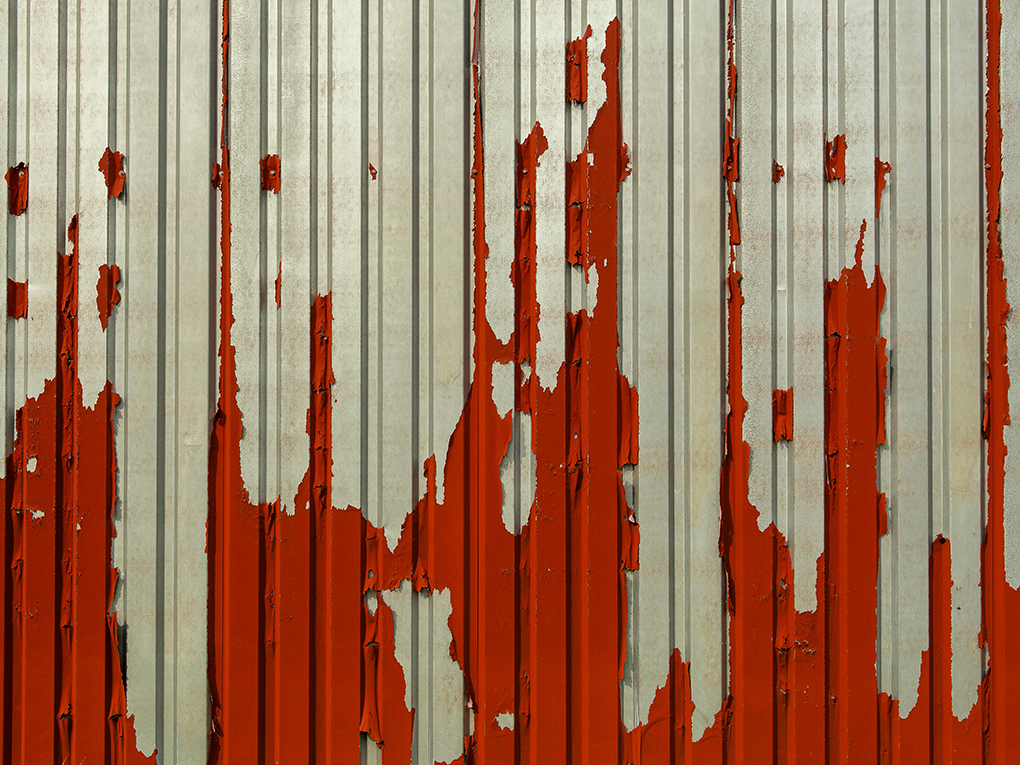
For example, painting colorbond fences requires a specialized metal etching primer to ensure the topcoat adheres correctly to the slick, pre-painted steel surface.
If you fail to use the correct primer on metal, the new coat will eventually blister and peel away under the hot sun. Always read the manufacturer’s specifications to match your primer and topcoat to your specific material.
Selecting the Perfect Aesthetics
Before you load your sprayer, take time to consider your design goals. You must carefully select the right fence painting colours that complement your home’s exterior palette.
Dark charcoal and slate black are currently trending for modern homes, as they make green foliage pop vibrantly. Conversely, classic white or natural cedar tones evoke a timeless, traditional feel.
Interestingly, home renovations often create a domino effect. Once your exterior looks pristine and inviting, you might find yourself exploring interior upgrades as well, such as trying out new techniques for painting on wall paper to revitalize a tired living room or hallway.
Expert Techniques for a Flawless Spray Application
Operating a paint sprayer requires a bit of finesse. Follow these expert techniques to ensure a flawless application:
- Maintain Consistent Distance: Keep the spray tip approximately 10 to 12 inches away from the surface. Moving too close will cause drips and runs, while holding it too far away will result in a dusty, uneven texture.
- Keep Your Arm Moving: Always start moving your arm before you pull the trigger, and release the trigger before you stop moving. This prevents heavy build-up at the beginning and end of each stroke.
- The 50% Overlap Rule: Aim the center of your spray pattern at the bottom edge of your previous pass. Overlapping each stroke by 50% ensures seamless coverage without banding or lighter streaks.
Common Mistakes to Avoid
Even enthusiastic DIYers can fall into traps when learning how to spray paint a fence. The most common mistake is failing to thin the paint correctly.
If the paint is too thick, it will clog the machine and splatter unevenly. Always refer to the sprayer’s manual for thinning guidelines. Additionally, never ignore the wind direction. A sudden gust can blow fine paint mist across property lines, leading to stressful disputes with neighbors.
Frequently Asked Questions (FAQs)
Can you spray paint a fence instead of using a brush?
Absolutely. Spraying is significantly faster and often results in a smoother finish, especially on rough or highly detailed surfaces. However, it requires more intensive prep work to protect surrounding areas from overspray.
Do I need to thin the paint before spraying?
It depends on the specific sprayer you are using and the viscosity of the paint. Airless sprayers can often handle unthinned exterior latex or oil paints, whereas HVLP sprayers usually require the material to be thinned with water or a solvent.
How long does a sprayed fence take to dry?
Most water-based exterior paints feel dry to the touch within 1 to 2 hours, but they require about 4 to 6 hours before a second coat can be applied. Full curing can take up to 30 days depending on temperature and humidity.
Is it better to roll or spray a fence?
Spraying is universally better for speed and reaching into deep crevices. Rolling is useful for flat, solid panel boundaries where overspray is a major concern, but it generally takes much longer than spraying.
How many coats of spray paint does a fence need?
For the best durability and color richness, you should generally apply one coat of high-quality primer followed by two coats of topcoat.
Learning to spray paint a fence is an incredibly rewarding endeavor that can completely revitalize your property’s exterior. By choosing the right tools, executing meticulous preparation, and applying smooth, overlapping strokes, you can achieve a commercial-quality finish that stands the test of time.
However, if you feel overwhelmed by the equipment, lack the time, or simply want guaranteed perfection without the hassle of cleanup and overspray risks, it is always wise to consult the experts. Reach out to a professional painting service today to get a quote and transform your property with zero stress!
