Water Based vs Oil Based Fence Paint: The Ultimate Comparison Guide
Transforming the exterior of your property often begins at the perimeter. A fresh coat of paint not only elevates the curb appeal of your home but also acts as a crucial barrier against harsh weather conditions. However, when you stand in the hardware store aisle, you face a critical decision that will dictate the longevity and appearance of your hard work: choosing between water based vs oil based fence paint.
Both options have distinct characteristics, unique chemical makeups, and specific ideal use cases. Understanding the fundamental differences between these two formulations is the key to ensuring your timber remains protected, vibrant, and structurally sound for years to come. In this comprehensive guide, we will break down everything you need to know to make an informed, confident choice.
Understanding the Importance of Choosing the Right Paint
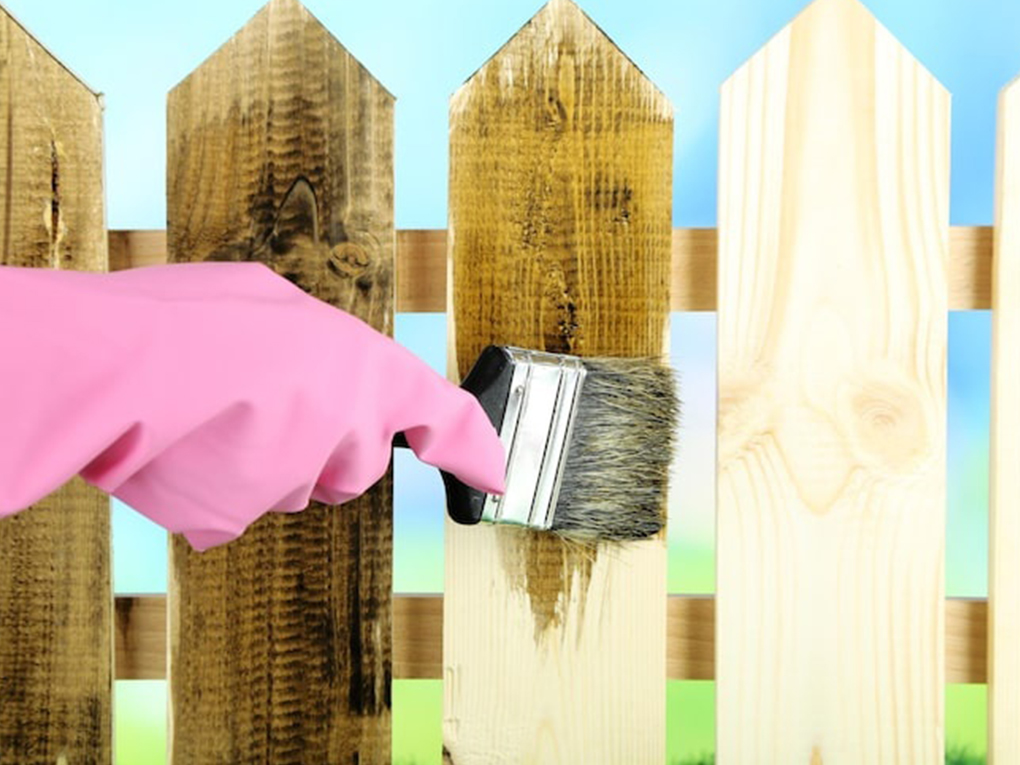
Wood is a porous, organic material that constantly breathes, expanding and contracting with fluctuations in temperature and humidity. Without proper protection, exposure to UV rays, heavy rain, and freezing conditions will quickly lead to rot, warping, and discoloration.
While comparing your options, you might find yourself analyzing the differences between standard exterior wood paint vs fence paint to see which offers superior defense. Ultimately, the base of the paint you select—whether water or oil—determines how the coating interacts with the timber fibers and defends against the elements.

The Case for Water-Based Fence Paint
Water-based paints, often referred to as latex or acrylic paints, use water as their primary solvent. Over recent years, advancements in paint technology have significantly improved the quality and durability of water-based formulas, making them a highly popular choice for residential exterior projects.
Advantages of Water-Based Formulas
The most celebrated benefit of water-based paint is its flexibility. Because the formula contains acrylic resins, it creates a breathable film on top of the wood. As the timber expands during hot summers and contracts during cold winters, the paint flexes along with it, heavily reducing the risk of cracking and peeling.
Additionally, water-based paints are renowned for their exceptional color retention. They are highly resistant to UV rays, meaning that vibrant shades will not fade as quickly as they might with other formulas. Furthermore, these paints dry incredibly fast, often feeling dry to the touch within a couple of hours, allowing you to apply multiple coats in a single weekend.
Potential Drawbacks
Despite the numerous benefits, water-based formulas do have limitations. They typically do not penetrate the wood grain as deeply as oil-based alternatives. Consequently, they rely heavily on surface adhesion. If the wood surface is not meticulously cleaned, sanded, and prepared beforehand, the paint may fail to bond correctly, leading to premature flaking.

The Case for Oil-Based Fence Paint
Oil-based paints, occasionally referred to as alkyd paints, utilize natural oils (like linseed) or synthetic alkyds as their base solvent. For decades, traditionalists and professional contractors have favored oil-based paints for exterior woodwork due to their rugged durability and deep penetrating qualities.
Advantages of Oil-Based Formulas
The primary strength of oil-based paint lies in its ability to soak deep into the cellular structure of the wood. This deep penetration creates a robust, water-repellent barrier that provides exceptional protection against moisture, making it an ideal choice for climates that experience heavy rainfall or snow.
Once fully cured, oil-based paint dries to a harder, more resilient finish than water-based options. It effortlessly withstands physical wear and tear, repels dirt, and resists scuff marks. Because it levels out naturally during application, it also tends to leave a smoother, more uniform finish with fewer visible brush strokes.
Potential Drawbacks
On the downside, oil-based paints are rigid. As the wood naturally expands and contracts over time, the hard shell of the paint is prone to cracking or blistering if exposed to extreme temperature fluctuations. Furthermore, these formulas contain high levels of Volatile Organic Compounds (VOCs), resulting in a strong odor and requiring chemical solvents like white spirit or turpentine for cleanup. They also take significantly longer to dry, often requiring up to 24 hours between coats.

Making the Right Decision
To simplify your middle-of-the-funnel evaluation, let us compare the two contenders directly across the most critical factors.
Durability and Weather Resistance
If your primary concern is intense sun exposure and preventing color fade, water-based paint is the superior choice. Its breathable, flexible nature handles temperature shifts beautifully. However, if your main enemy is moisture, dampness, and wood rot, the deep-penetrating moisture barrier provided by oil-based paint offers unrivaled protection.
Application and Drying Time
Water-based paints win the convenience battle easily. They go on smoothly, dry in a matter of hours, and allow for rapid project completion. Oil-based paints require more patience. Because of the slow drying time, you must carefully monitor the weather forecast to ensure no rain or strong winds disturb the wet surface while it cures.
Environmental Impact and Cleanup
Modern homeowners are increasingly conscious of their environmental footprint. Water-based paints have significantly lower VOC levels, making them safer to breathe around and much better for the environment. Cleanup is as simple as washing your tools with warm, soapy water.
Conversely, oil-based paints demand proper ventilation and chemical thinners to clean equipment, making the post-painting process more tedious.

Preparation and Tools for a Flawless Finish
Regardless of whether you choose a water-based or oil-based formula, the secret to a long-lasting finish lies in your preparation and the tools you use. Rushing the prep work will lead to subpar results, no matter how expensive the paint is.
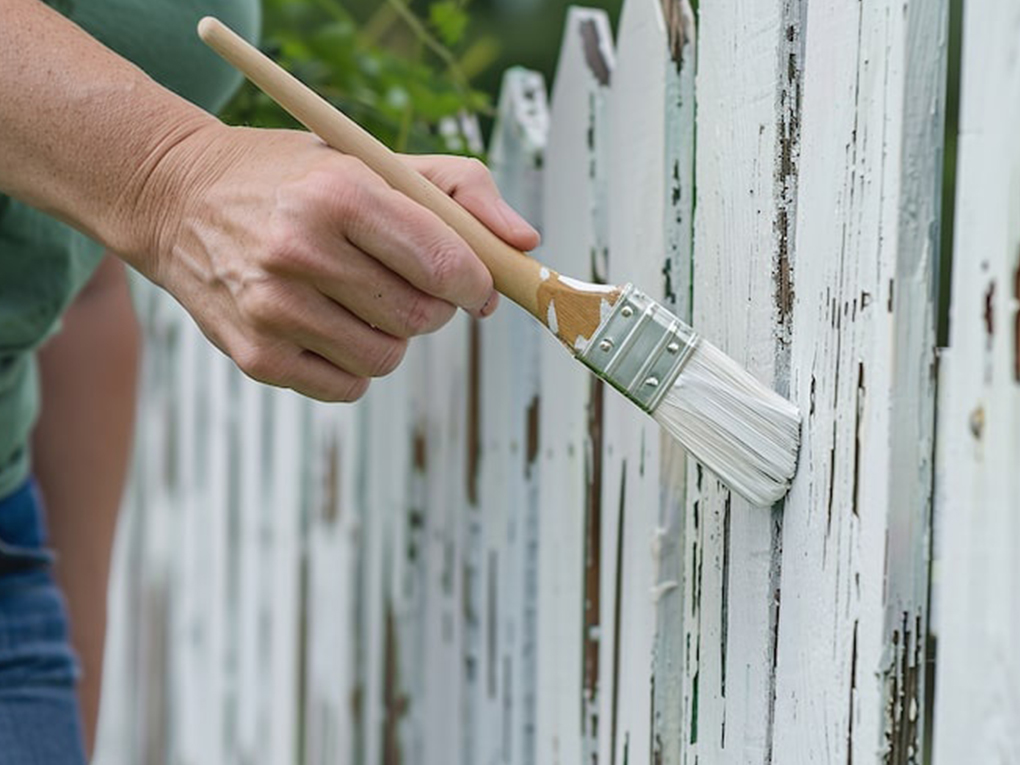
Start by thoroughly cleaning the wood to remove dirt, mold, and old flaking paint. Once the surface is clean and dry, applying the best primer for wooden fences is a non-negotiable step. A high-quality primer seals the porous wood, neutralizes tannins that cause discoloration, and creates the perfect canvas for your topcoat to adhere to.
When you are ready to apply the paint, consider the scale of your project. For sprawling property lines, utilizing the best paint sprayer for fence will save you countless hours of labor and provide a beautifully even coat.
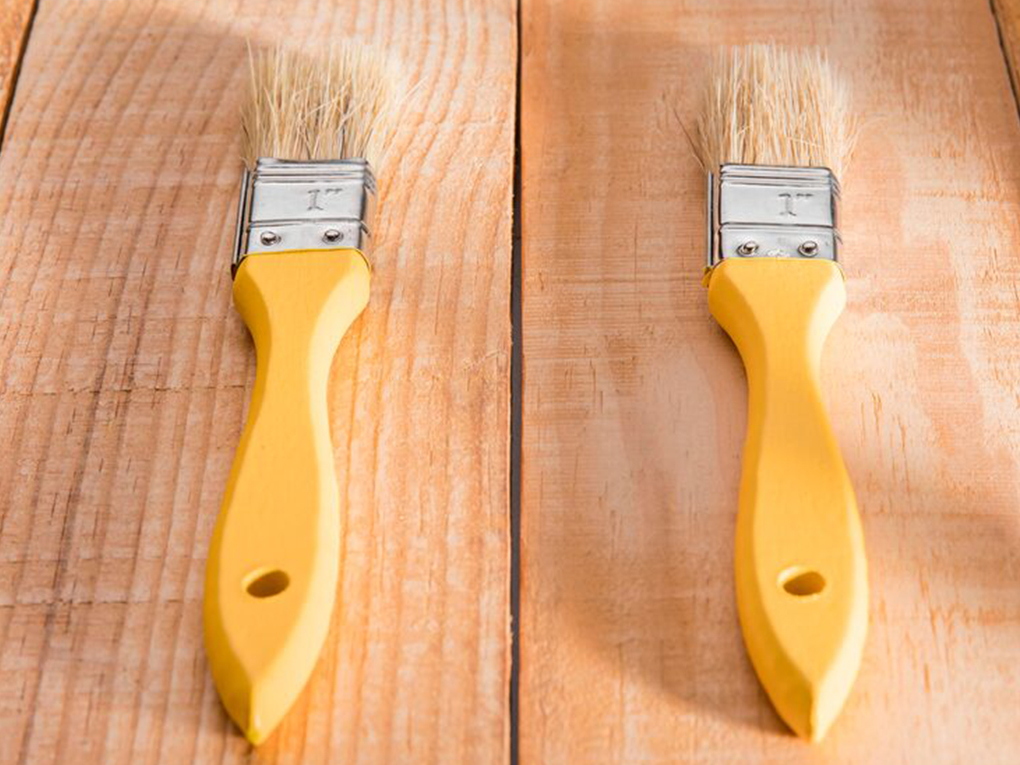
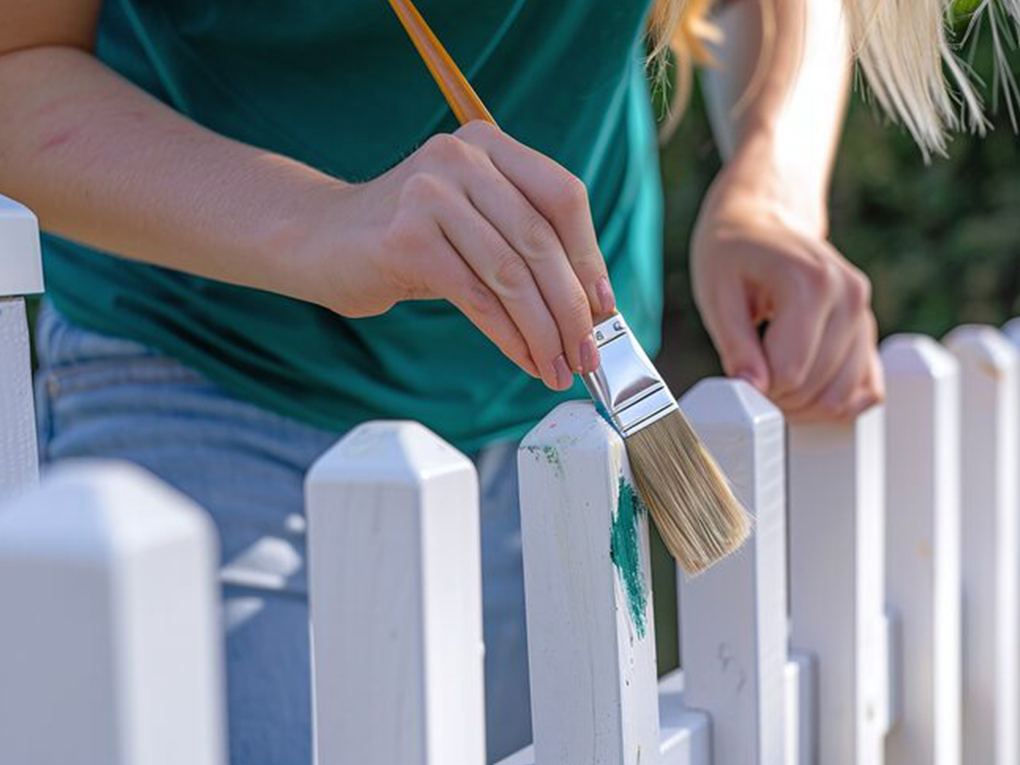
If your project is smaller, or if you are dealing with intricate trellis designs, taking the time to apply the coating with the best brush for painting fence panels ensures you work the product deep into every grain and crevice.
Ultimately, mastering the art of fence painting requires patience, the right materials, and a commitment to following best practices from start to finish.


Frequently Asked Questions (FAQs)
Can I apply water-based paint over an old oil-based coat?
Generally, water-based paint will not adhere well directly to an old oil-based surface. You must thoroughly sand the old finish to remove the gloss and apply a specialized transition primer before applying the water-based topcoat.
Which paint lasts longer on a wooden fence?
Both can last anywhere from 5 to 10 years depending on the climate and preparation. Water-based paint tends to outlast oil-based in environments with high temperature fluctuations because it resists cracking, while oil-based excels in extremely wet climates due to its hard moisture barrier.
Does oil-based paint fade faster than water-based paint?
Yes, oil-based paints are generally more susceptible to UV degradation. They can lose their vibrant color, turn chalky, and sometimes develop a yellowish tint over time when exposed to direct, constant sunlight.
How many coats of paint should I apply to my fence?
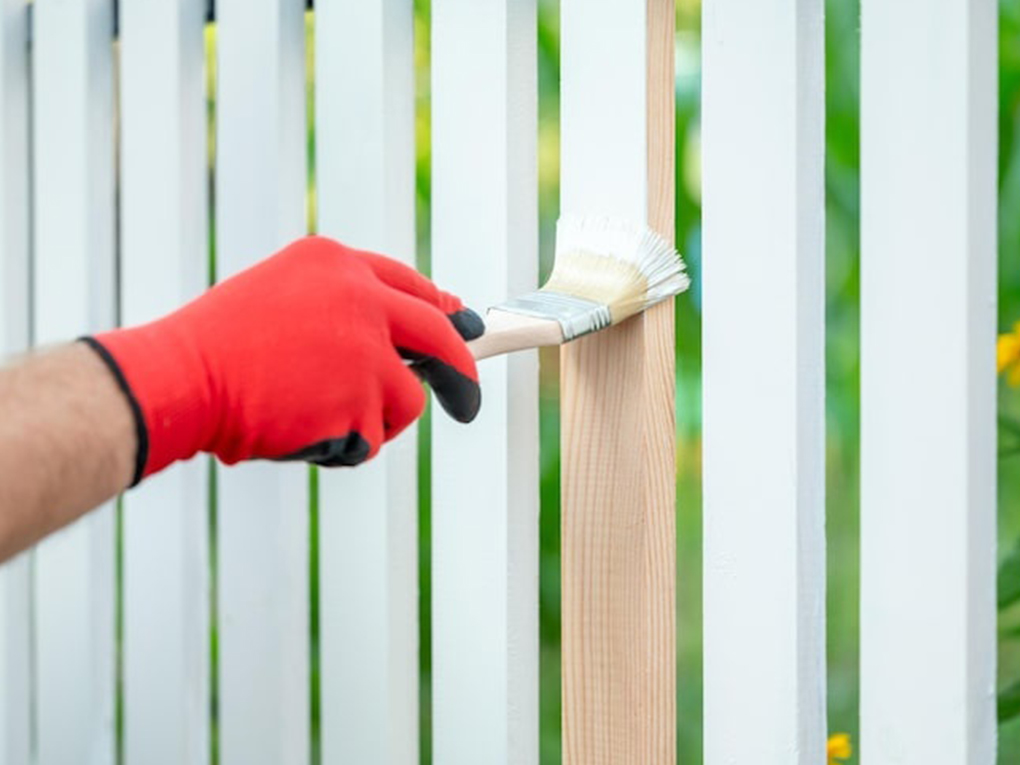
For the best protection and a vibrant, opaque finish, you should apply one coat of high-quality primer followed by two solid topcoats of your chosen paint.
Is a paint sprayer better than a brush for oil-based paint?
A sprayer offers incredible speed, but oil-based paint is thick and requires careful thinning to flow through a sprayer correctly. Many professionals recommend “back-brushing”—spraying the paint onto the fence and immediately using a brush to work it deep into the wood grain.
Deciding between water based vs oil based fence paint ultimately comes down to your specific climate, your patience for preparation, and the environmental factors your property faces. If you value easy application, rapid drying times, color longevity, and low VOCs, water-based acrylics are your best bet. On the other hand, if you need a rugged, deep-penetrating shield against heavy rain and damp conditions, oil-based paint remains an industry powerhouse.
Assess your yard’s unique needs, invest in high-quality tools, and never skip the priming stage. Ready to transform your property? Gather your supplies, choose your ideal formula, and start planning your weekend painting project today for a beautifully protected exterior that will make your home stand out!