
How to Find a Fence Painter?
Finding the right fence painter isn’t just about getting the lowest quote—it’s about hiring someone who will deliver a durable, clean, and professional finish that lasts for years. In this guide, you’ll learn exactly how to find a reliable fence painter, what to look for, and how to avoid costly mistakes in interior painters melbourne
Why Hiring the Right Fence Painter Matters
A professional fence painter does more than just apply paint. They handle:
- Proper surface preparation (cleaning, sanding, repairs)
- Choosing the right paint or stain for your fence
- Applying even coats for long-lasting protection
Done properly, a painted fence can last 3–6 years, while poor work may fail within months.
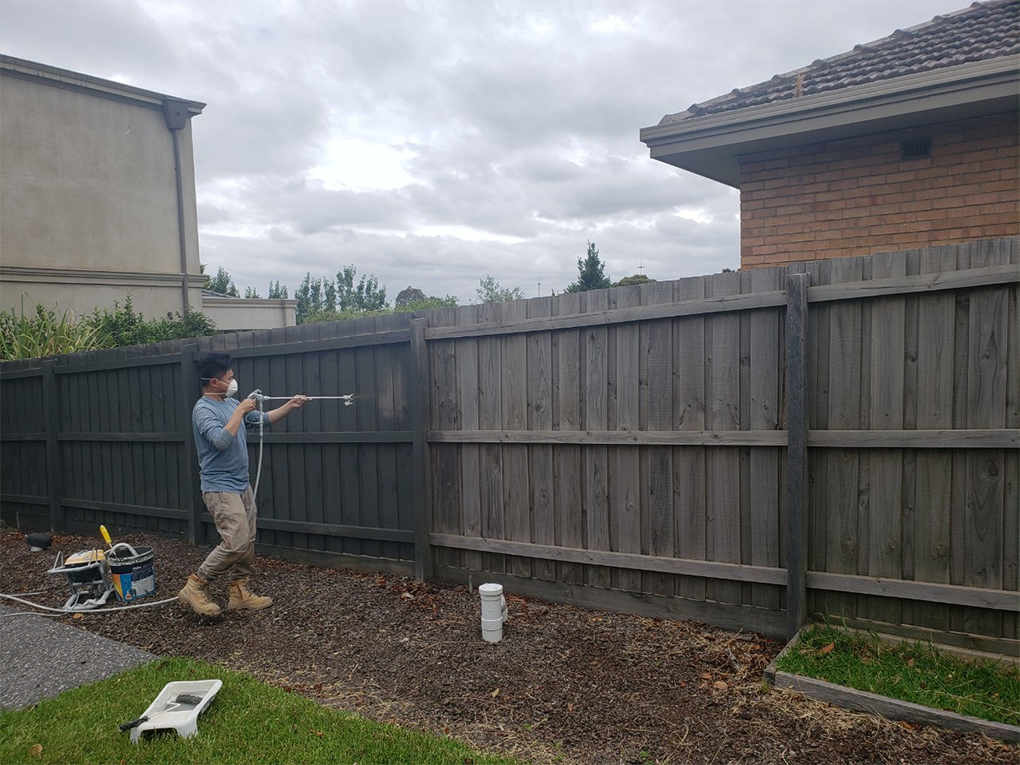
Step 1: Know What You Need Before You Search
Before contacting painters, get clear on your project:
- Fence type (timber, metal, brick, Colorbond)
- Fence size (length and height)
- Condition (new, weathered, damaged)
- Paint or stain preference
This helps painters give accurate quotes and prevents hidden costs later.
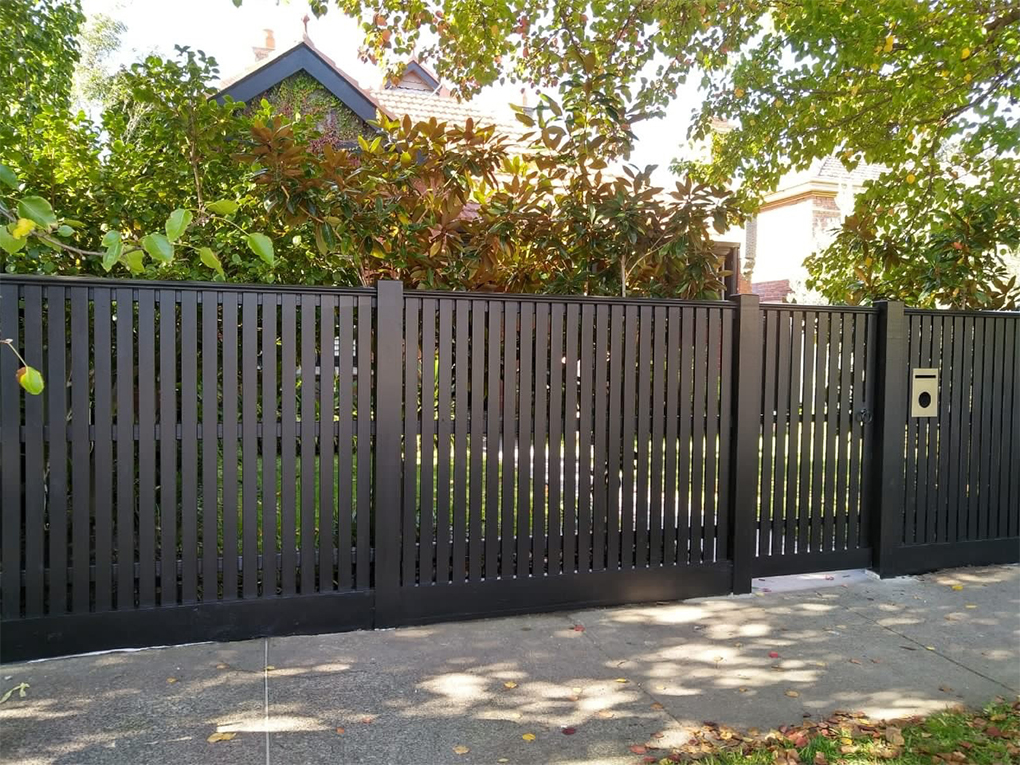
Step 2: Search for Local Fence Painters
Start by looking for:
- “Fence painting near me”
- “Fence painters Melbourne”
- “Paling fence painting services”
Check platforms like:
- Google reviews
- Local directories
- Trade marketplaces
Look for painters with consistent positive feedback and completed projects similar to yours.
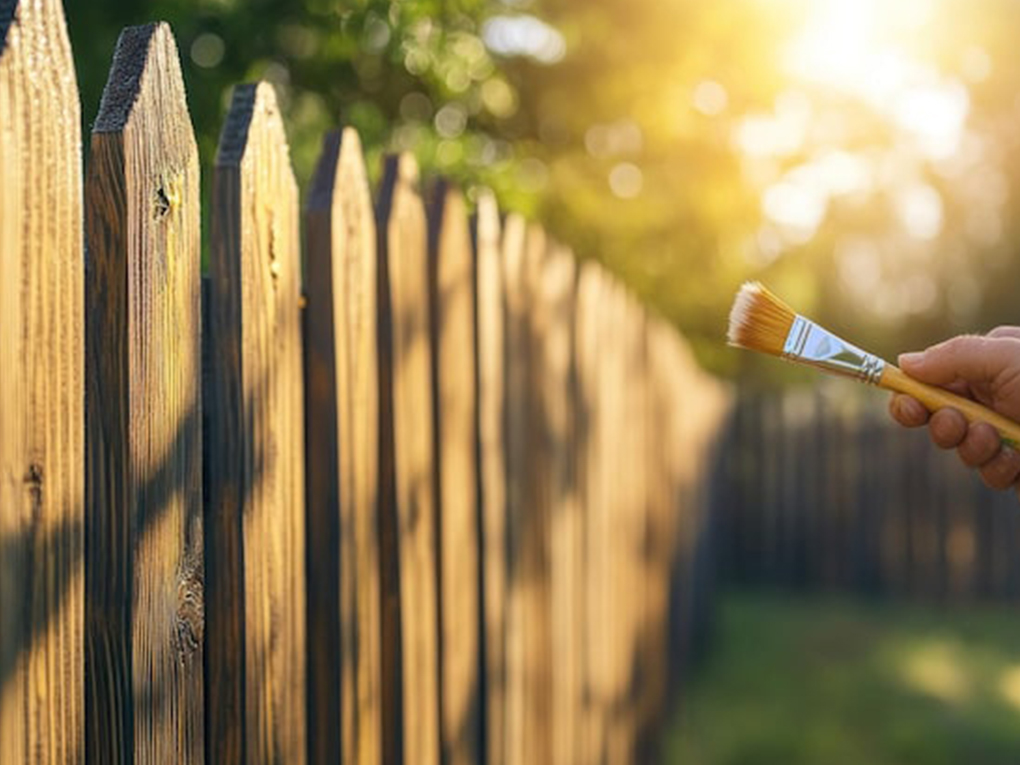
Step 3: Check Experience and Specialisation
Not all painters are the same. Choose someone who specialises in fence painting.
A good fence painter should:
- Have experience with your fence type
- Understand weather conditions (important in Australia)
- Use professional tools like spray systems
Specialists deliver better coverage, faster work, and longer-lasting results.
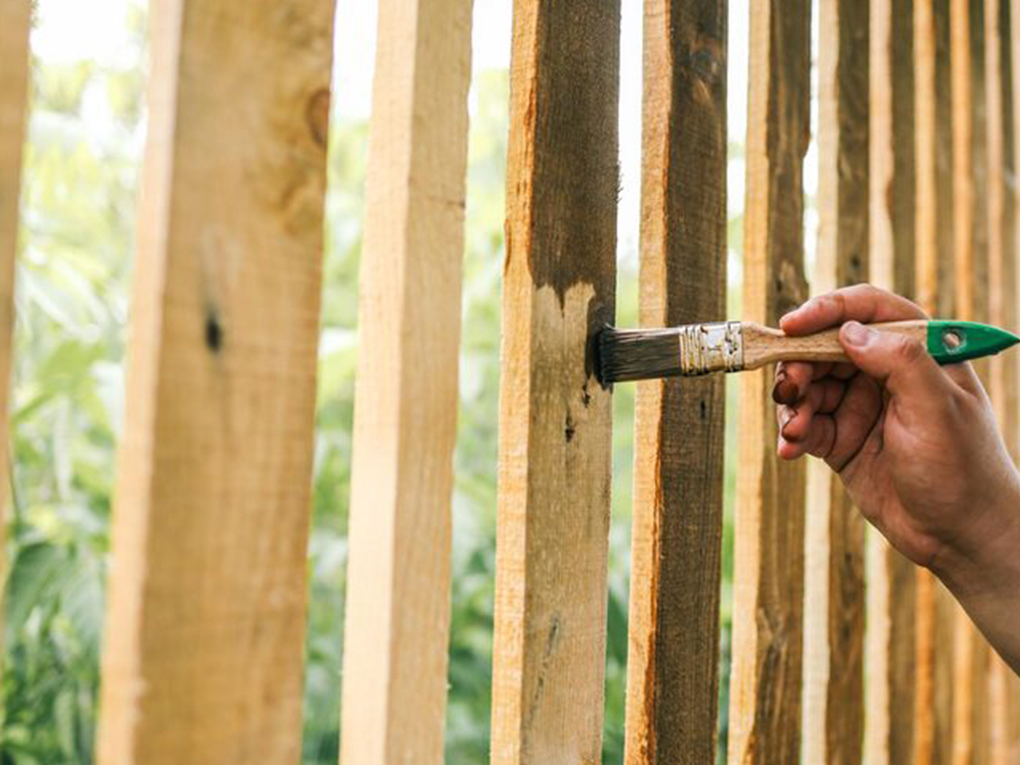
Step 4: Verify License and Insurance
Always confirm:
- Public liability insurance
- Worker’s compensation
- Business registration
This protects you if something goes wrong during the job.
Step 5: Review Past Work and Testimonials
Ask for:
- Before-and-after photos
- Customer reviews
- References
A reliable painter will happily show proof of their work.
Step 6: Get Multiple Quotes (But Don’t Choose the Cheapest)
Get at least 2–3 quotes and compare:
- Price
- Scope of work
- Materials used
- Number of coats
The cheapest quote often means:
- Poor prep work
- Low-quality paint
- Rushed job
Focus on value, not just price.
Step 7: Ask the Right Questions
Before hiring, ask:
- What preparation do you include?
- How many coats will you apply?
- What paint brand do you use?
- How long will the job take?
- Do you offer a warranty?
These questions help you avoid unreliable contractors.
Step 8: Understand What’s Included in the Job
A professional fence painting service should include:
- Pressure washing or cleaning
- Surface preparation (sanding, repairs)
- Priming (if required)
- 2 coats of paint or stain
- Clean-up after completion
Clear scope = no surprises later.
Step 9: Check Warranty and Guarantee
A quality fence painter should offer:
- Workmanship guarantee
- Product warranty
This shows confidence in their work and protects your investment.
Step 10: Inspect the Work Before Final Payment
Before paying:
- Check for even coverage
- Look for missed spots or drips
- Ensure clean edges and finish
Only pay when you’re fully satisfied.
How Much Does Fence Painting Cost?
Fence painting typically ranges from:
- $300 – $4,800 depending on size and condition
Factors affecting price:
- Fence length and height
- Material type
- Prep work required
- Paint quality
Common Mistakes to Avoid
- Choosing the cheapest quote
- Skipping surface preparation
- Not checking reviews
- Hiring uninsured painters
- Not confirming number of coats
Quick Checklist: How to Find a Good Fence Painter
✔ Check reviews and past work
✔ Confirm insurance and experience
✔ Get multiple quotes
✔ Ask about preparation and paint
✔ Ensure warranty is included
Final Thoughts
Finding a fence painter doesn’t have to be difficult. By following these steps, you’ll hire a professional who delivers:
- Long-lasting results
- Clean, even finish
- Great value for money
If you want the best outcome, focus on experience, preparation, and quality—not just price.
- Address: 71 Rochester Road, Balwyn, VIC 3103
- Hotline: 0401 851 598
- Email: pm@vcolour.com.au
- Website: www.vicpainter.com
- Facebook: facebook.com/fencepaintingmelbourne/
- Instagram: instagram.com/wallrepair.melbourne/
