
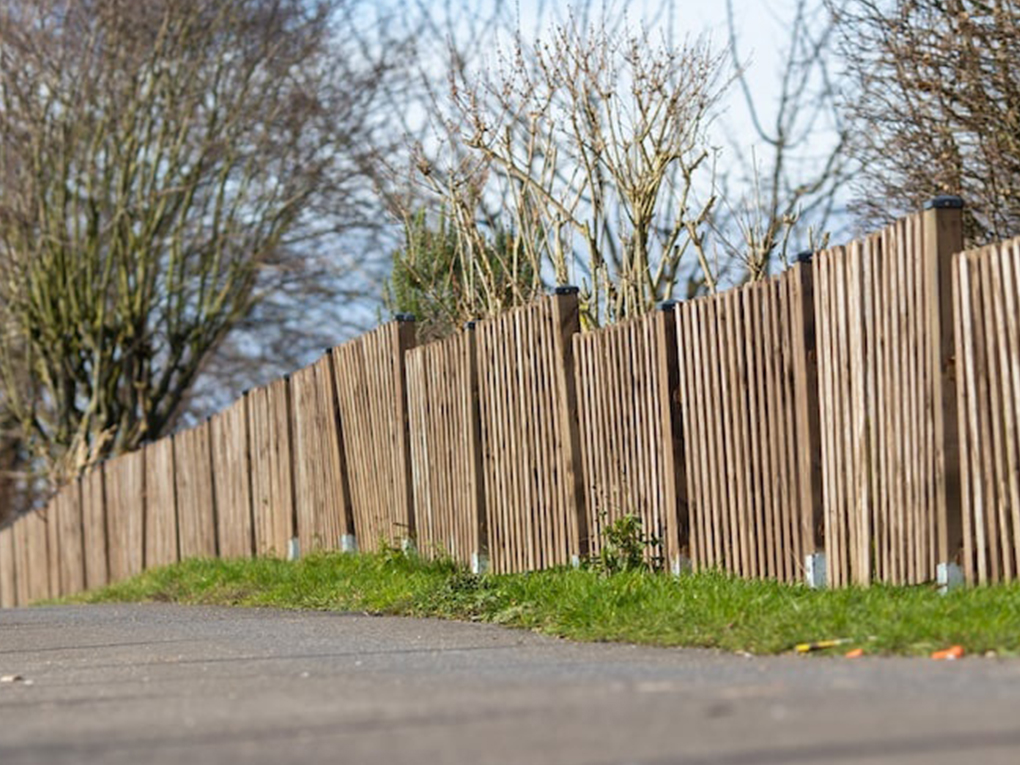
The Ultimate Guide to Choosing the Best Primer for Wooden Fences
Upgrading your backyard often starts at the boundary line. A freshly coated fence instantly elevates your home’s curb appeal, framing your landscaping perfectly in melbourne painting enterprises. However, many homeowners make the critical mistake of rushing straight to the color application, skipping the most vital step of the entire process: the primer. If you want your hard work to withstand the harsh elements, UV rays, and driving rain, identifying the best primer for wooden fences is your first real task.
Skipping this foundational layer inevitably leads to peeling, flaking, and a patchy finish within a year. Before you commit to your weekend fence painting project, take the time to understand how a quality undercoat protects your timber. This guide breaks down exactly what you need to know to choose the right primer, ensuring your property looks pristine for years to come.
Why Priming Your Wooden Fence is Non-Negotiable
You might wonder why you cannot just slap two coats of premium exterior paint onto bare wood and call it a day. Timber is highly porous, meaning it acts like a sponge. When you apply paint directly to unsealed wood, the timber absorbs the moisture unevenly. This leaves the protective resins sitting weakly on the surface, ready to crack as soon as the weather changes.
A high-quality primer serves several critical functions:
- Seals the Wood Grain: It fills in the microscopic pores of the timber, creating a smooth, uniform surface for the topcoat.
- Provides Superior Adhesion: Primer acts like double-sided tape. It binds fiercely to the bare wood and gives the subsequent layers of paint something solid to grip onto.
- Blocks Stains and Bleed-Through: Certain woods contain natural oils that will bleed right through light-colored paints if not properly blocked.
- Increases Paint Coverage: Because the wood is sealed, you will actually use less of your expensive topcoat to achieve full opacity.
If you have carefully analyzed a typical DIY fence painting cost breakdown, you will quickly notice that investing in a solid undercoat upfront saves you significant money and labor on premature repainting down the track.
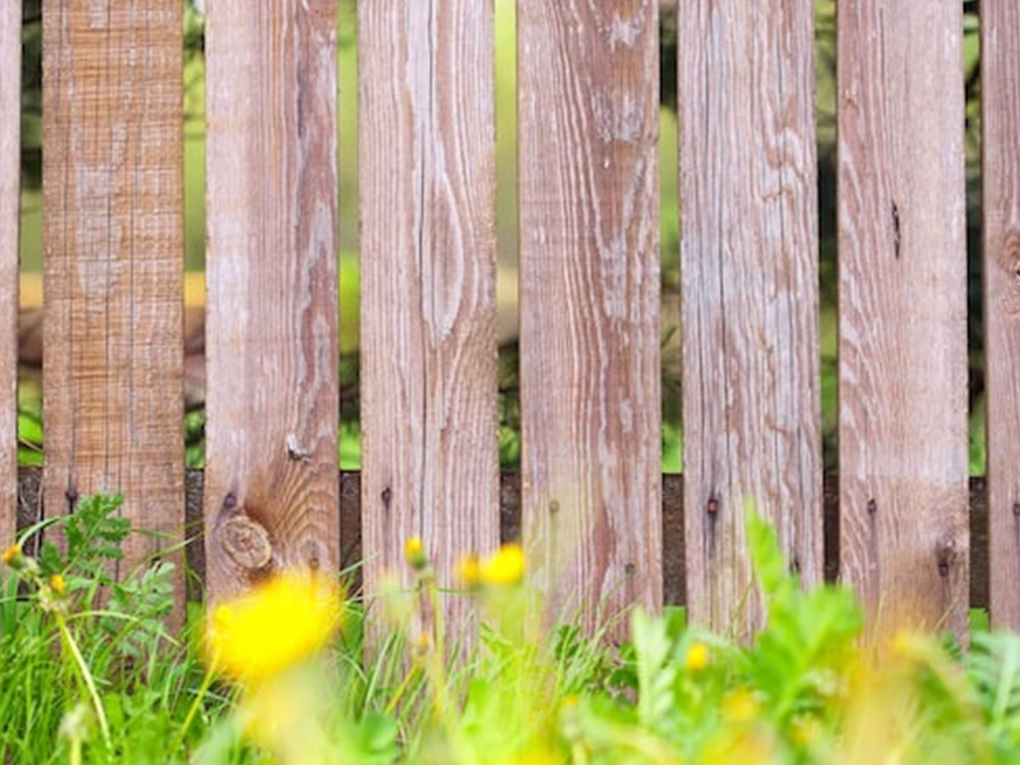
Types of Fence Primers: Which One Do You Need?
Not all primers are created equal. Walking down the hardware store aisle can be overwhelming, but the choices generally boil down to three main categories based on their chemical composition and primary purpose.
Oil-Based Primers: The Heavy-Duty Champion
For decades, oil-based products have been the gold standard for exterior timber. They penetrate deeply into the wood fibers, offering unmatched moisture protection and sealing capabilities. If you are dealing with heavily weathered wood, raw cedar, or redwood, an oil-based primer is highly recommended. It takes longer to dry and requires mineral spirits for cleanup, but the durability it provides is exceptional.
Water-Based (Acrylic) Primers: The Fast-Drying Option
Modern technology has vastly improved water-based formulas. High-quality acrylic primers remain flexible after curing, which is a massive advantage for exterior fences that expand and contract with temperature fluctuations.
They dry quickly, emit fewer volatile organic compounds (VOCs), and clean up easily with soapy water. Acrylic primers are generally the go-to choice for previously painted fences or treated pine.
Stain-Blocking Primers: Defeating Tannin Bleed
Woods like cedar, redwood, and mahogany contain high levels of tannins. When moisture hits these natural compounds, they rise to the surface, creating ugly yellow or brownish stains through your fresh paint.
If you are working with these specific wood species, you must choose a product specifically labeled as a “stain-blocking” primer—usually a high-adhesion oil or shellac-based formula.
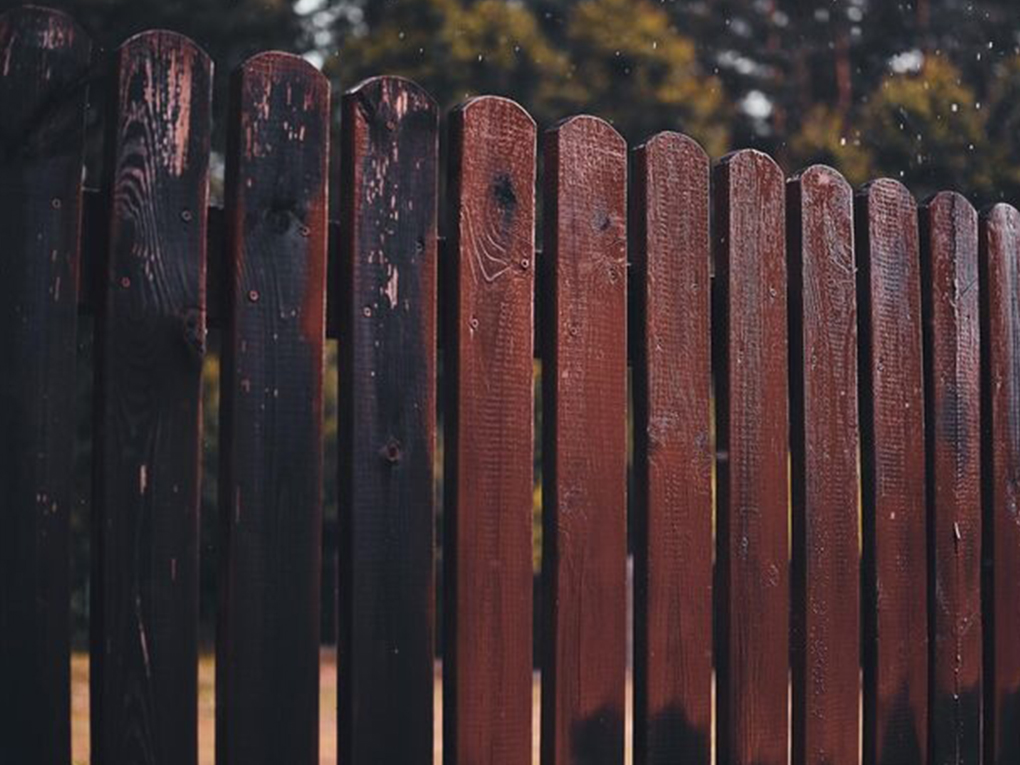
How to Select the Right Primer for Your Specific Fence
Selecting the best primer for wooden fences requires evaluating your specific backyard environment and the materials you are working with.
Assessing the Condition of Your Timber
Brand new, unweathered timber needs to sit for a few weeks to allow the factory moisture or treatment chemicals to evaporate before priming. Conversely, old, grayed wood needs a deeply penetrating oil primer to restore structural integrity to the surface layer before painting.
Matching Your Primer to Your Topcoat
A common rule of thumb in professional decorating is to match the base of your primer to the base of your paint. However, many modern acrylic paints adhere perfectly well to a cured oil-based primer. Before making a final purchase, you need to finalize your topcoat decision.
Whether you are using a standard acrylic or researching the nuances between exterior wood paint vs fence paint, always check the manufacturer’s label on your primer to guarantee compatibility.
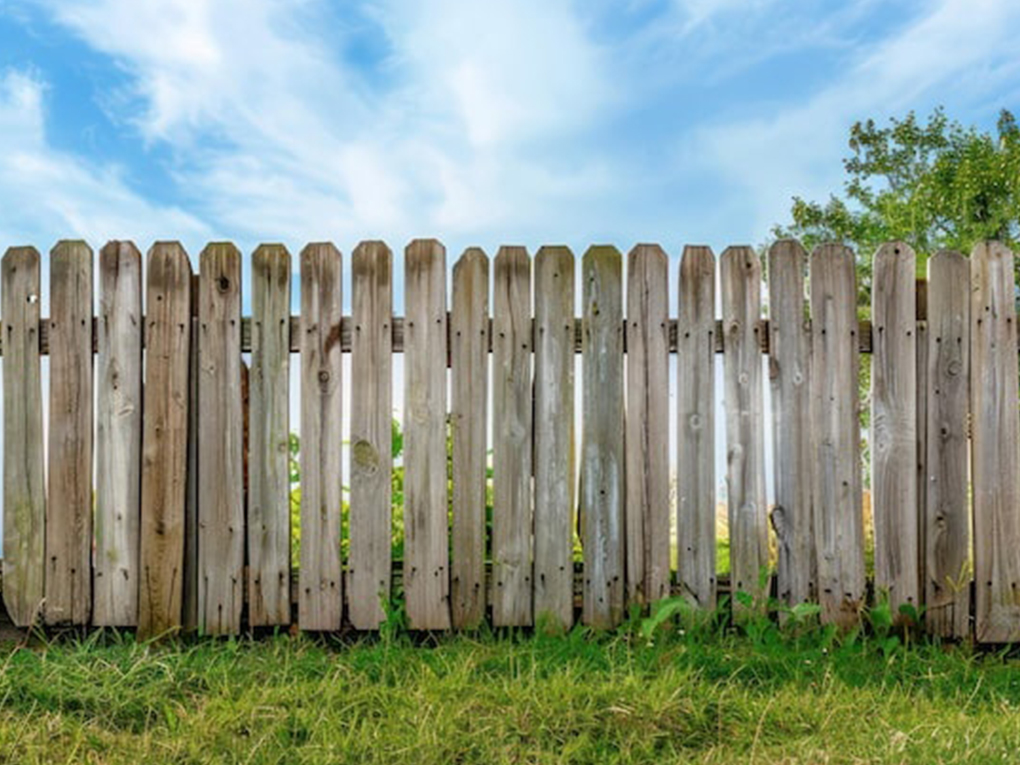
Essential Equipment for Applying Primer Effectively
Application methods matter just as much as the product you choose. Fences represent a massive surface area, so efficiency is key. For expansive boundary lines, utilizing the best paint sprayer for fence will drastically reduce your application time and save your back from hours of fatigue. A sprayer provides a beautifully even coat without lap marks.
However, a sprayer rarely works alone. To ensure the primer penetrates deeply into the rough timber grain, you need to employ a technique called “back-brushing.” This involves spraying a section and then immediately running a brush over wet primer to work it into the pores of the wood.
For this step, having the best brush for painting fence panels is crucial. Look for a wide, synthetic bristle brush for water-based primers, or a natural bristle brush if you are working with oil-based products.
Prepping Your Fence for a Flawless Prime
Even the most expensive primer will fail if applied to a dirty, unprepared surface. Follow these mandatory prep steps:
- Clear the Area: Tie back landscaping, trim bushes, and lay down drop cloths to protect your grass and soil.
- Clean the Timber: Use a pressure washer on a low setting or a stiff bristle brush with a specialized deck and fence cleaner to remove dirt, mold, and mildew.
- Scrape and Sand: If the fence was previously painted, scrape away all loose, flaking material. Give rough spots a quick sand to smooth out the surface.
- Allow to Dry Completely: Never prime wet wood. Wait at least 48 to 72 hours after washing before opening your primer.
Frequently Asked Questions (FAQs)
Do I really need to use a primer on my wooden fence?
Yes. Unless you are using a penetrating stain, primer is essential. It seals the porous wood, prevents peeling, blocks natural wood oils from staining your topcoat, and extends the lifespan of your paint job.
Can I use a paint and primer in one?
While “paint and primer in one” products work well for interior drywall, they are generally not robust enough for exterior bare timber. Separate, dedicated exterior wood primers provide a much stronger foundation against the elements.
How many coats of primer does a wooden fence need?
In most cases, one solid, even coat of primer is sufficient to seal the wood. However, if you are painting a very light color over dark, raw cedar, a second coat of stain-blocking primer might be necessary to halt tannin bleed completely.
How long should primer dry before painting?
Drying times vary wildly depending on the formula and the weather. Water-based primers can be ready for paint in as little as 1 to 2 hours, while oil-based primers typically require 24 hours to cure properly. Always read the manufacturer’s instructions.
What happens if it rains after I prime my fence?
If it rains before the primer has had time to dry to the touch, it may wash away or streak, requiring you to sand and reapply. Always check the forecast and ensure you have a clear 24-hour window of dry weather.
Achieving a professional-grade finish in your backyard requires patience and the right materials. By selecting the best primer for wooden fences, assessing your specific timber type, and executing proper surface preparation, you ensure that your final color coat goes on smoothly and stays looking vibrant through changing seasons.
Do not cut corners on the foundation. Grab your sprayer, invest in a quality undercoat, and transform your fence into a stunning feature of your property today!
- Address: 71 Rochester Road, Balwyn, VIC 3103
- Hotline: 0401 851 598
- Email: pm@vcolour.com.au
- Website: www.vicpainter.com
- Facebook: facebook.com/fencepaintingmelbourne/
- Instagram: instagram.com/wallrepair.melbourne/
