
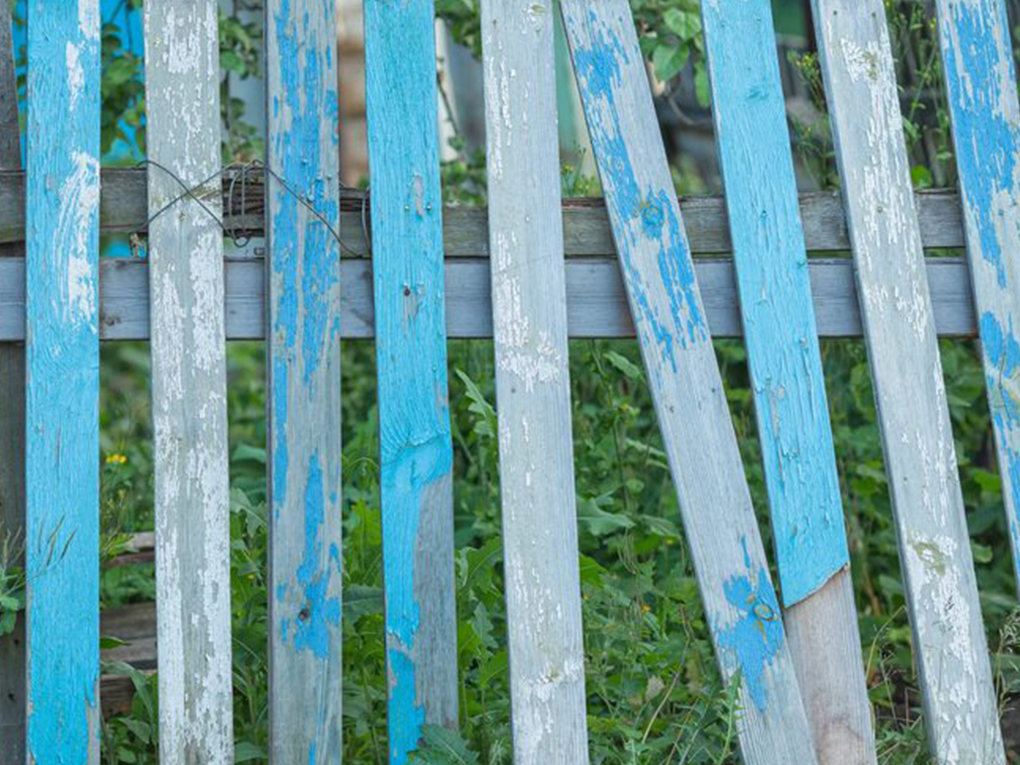
Exterior Wood Paint vs Fence Paint: Which Is Right for Your Property?
Upgrading your property’s boundary is one of the most effective ways to boost curb appeal in residential painters melbourne. When you look at weathered timber, the instinct is to grab a brush and give it a fresh coat of colour. However, standing in the hardware store aisle, you will likely face a common dilemma: should you choose exterior wood paint or stick with a dedicated fence paint?
Understanding the battle between exterior wood paint vs fence paint is crucial for the longevity of your timber. Making the wrong choice can lead to peeling, fading, and the need for premature repainting, especially when your property is exposed to harsh, unforgiving sun and unpredictable weather. This guide will break down exactly what you need to know to protect your investment and achieve a stunning finish.
Understanding the Basics: Formulations Explained
At first glance, both products seem identical. They both add colour to timber. Yet, their chemical formulations are vastly different, designed for entirely distinct levels of wear and tear.
The Makeup of Exterior Wood Paint
Exterior wood paint is a premium product designed for high-end protection. Manufacturers formulate these paints with a high concentration of durable resins and robust pigments. This composition creates a thick, flexible membrane over the wood.
As timber naturally expands and contracts with temperature changes, exterior wood paint stretches with it, preventing cracking and flaking. It offers superior UV protection, moisture resistance, and a smooth, refined finish suitable for window frames, doors, and high-quality timber structures.
The Purpose of Standard Fence Paint
In contrast, standard fence paint is generally thinner and formulated specifically for rough-sawn timber. It acts more like a heavy stain than a traditional paint, soaking into the porous surface of the wood rather than sitting on top of it. Because boundaries require large volumes of product, fence paints are manufactured to be cost-effective.
They contain fewer binding resins, meaning they provide adequate temporary protection but will naturally weather and fade faster than premium exterior paints.
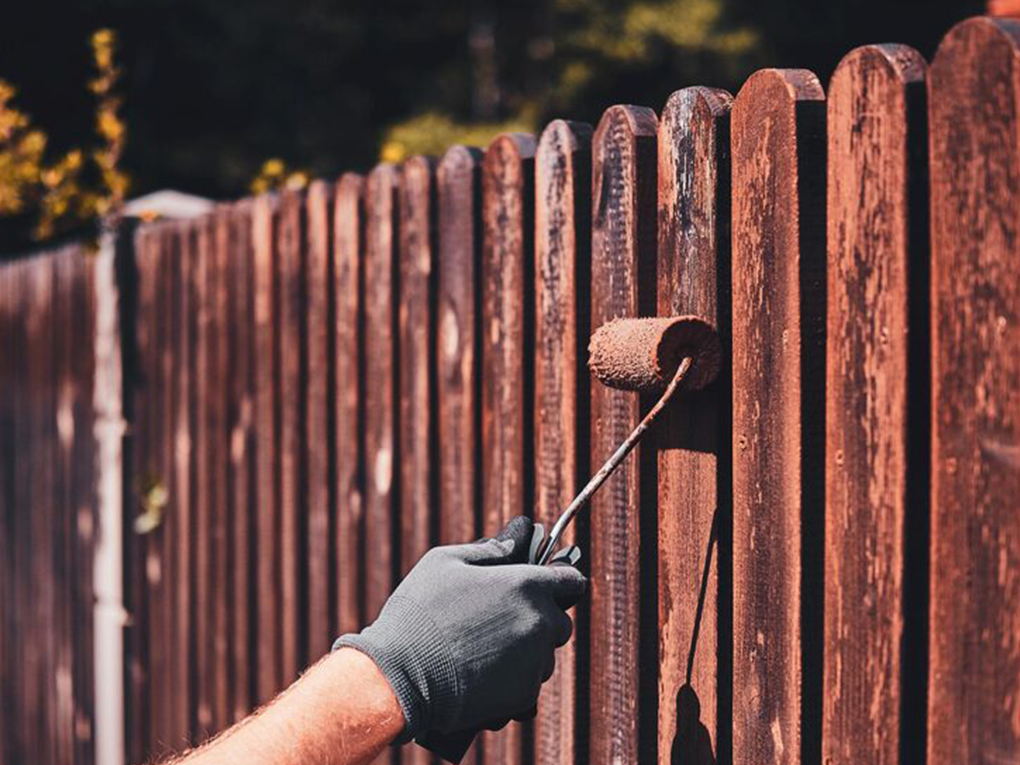
Key Differences You Need to Consider
Before opening a tin, you must evaluate the specific needs of your project. Here is how the two options stack up against each other across essential categories.
Durability and Weather Resistance
When evaluating longevity, exterior wood paint is the clear winner. A high-quality exterior acrylic can easily last up to a decade before requiring significant maintenance, standing strong against torrential rain and intense UV rays.
Fence paint, while practical, typically requires a fresh coat every two to three years. If you want a “set and forget” solution, the premium option will serve you better.
Coverage and Finish Quality
If your boundary consists of smooth, dressed timber, exterior wood paint will deliver a sleek, modern, and even finish. It hides minor imperfections and provides a solid, opaque colour. Fence paint is ideal for rough, textured timber palings because it penetrates deeply, though it often leaves the natural grain and texture visible.
Price and Long-Term Value
Upfront costs often drive purchasing decisions. A bucket of fence paint is remarkably cheap, making it an attractive option for massive boundary lines. Exterior wood paint is significantly more expensive per litre. However, when you factor in the labor and time required to repaint every few years, investing in a premium exterior paint can actually offer better long-term value.
Tools of the Trade: Achieving a Flawless Finish
The product you choose dictates the application method. Thick exterior paints demand careful preparation, including sanding and priming, to ensure the paint adheres correctly. Thinner formulations allow for rapid application over large areas.
Applying thousands of brushstrokes to a long boundary line is exhausting. Fortunately, utilizing the best paint sprayer for fence applications ensures an even coat while drastically reducing your working hours. Sprayers handle thinner materials beautifully, driving the product into every crevice of rough-sawn timber.
Of course, a machine cannot do everything. When you need to maneuver around posts, hinges, or neighboring property lines, cutting in edges requires the best brush for painting fence panels to avoid drips and maintain a sharp, professional line.
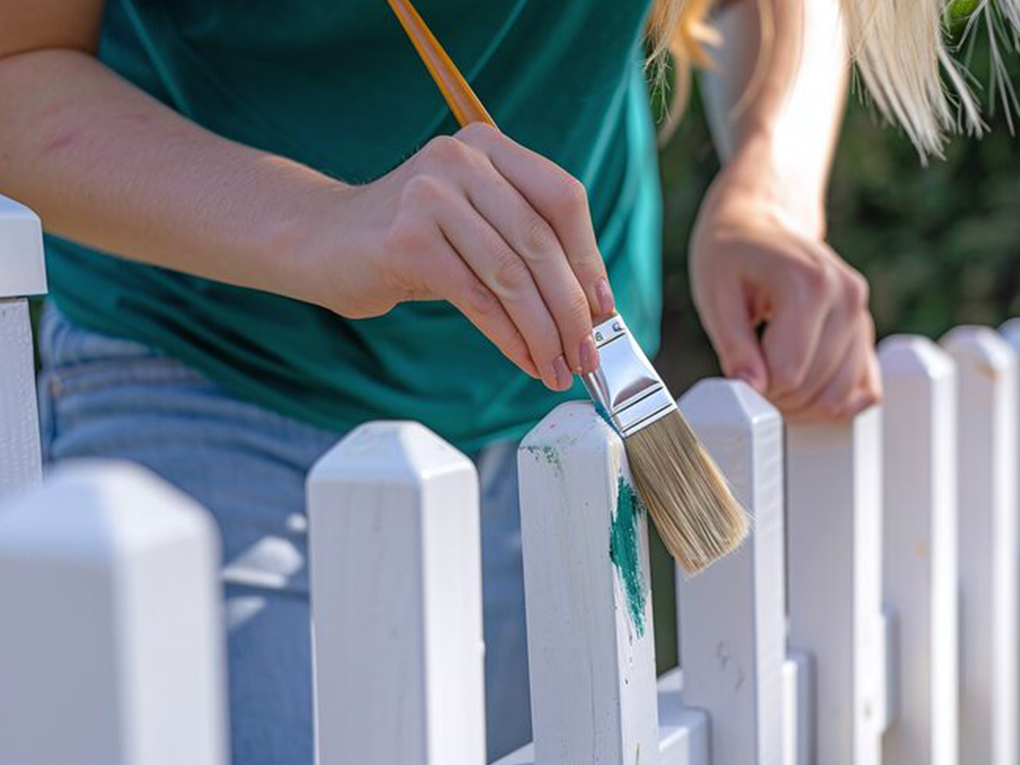
Budgeting for Your Project: DIY vs. Professional Expertise
Once you have selected your ideal paint, you must decide who will actually do the work. Taking the DIY route seems cheaper initially. You buy the materials, set aside a weekend, and get to work.
However, reviewing a thorough DIY fence painting cost breakdown reveals hidden expenses, such as purchasing drop sheets, buying high-quality brushes, renting spray equipment, and factoring in the value of your own time.
Many homeowners quickly realize that proper preparation and application require specialized skills. For this reason, assessing the cost to hire someone to paint a fence is a smart step. Professionals already own the commercial-grade equipment necessary to finish the job quickly and flawlessly.
If you want professional results, investing in high-quality fence painting services guarantees that the surface is prepped correctly, the right product is applied, and your property looks immaculate for years to come.
Frequently Asked Questions (FAQs)
Can I use exterior wood paint on my fence?
Yes, you absolutely can. Using an exterior wood paint will provide a longer-lasting, more durable, and opaque finish. It is highly recommended for smooth, dressed timber fences where you want a premium look.
Is fence paint just a cheap stain?
Not exactly, but they share similarities. Fence paint sits somewhere between a stain and a traditional paint. It contains pigments to color the wood and waxes to repel water, but it lacks the heavy resins found in standard paint, which is why it soaks into the wood rather than forming a surface layer.
Do I need to prime my fence before painting?
If you are using a premium exterior wood paint, yes, a dedicated wood primer is usually necessary for proper adhesion and to prevent tannins from bleeding through. If you are using standard fence paint, a primer is generally not required, as the product is designed to absorb directly into the bare timber.
How long does a painted fence last?
Standard fence paints typically last 2 to 4 years before fading or weathering requires a touch-up. High-quality exterior wood paints can last anywhere from 7 to 10 years, depending on the climate and sun exposure.
Which option is better for rough-sawn timber?
For rough-sawn, textured timber, standard fence paint is usually the most practical choice. It absorbs easily into the rough fibers without peeling.
Deciding between exterior wood paint and standard fence paint ultimately comes down to your budget, your timber type, and how frequently you want to perform maintenance. If you prioritize a sleek finish and long-term durability, exterior wood paint is a worthy investment. Conversely, if you need to cover a massive boundary on a tight budget and don’t mind regular top-ups, traditional fence paint will get the job done.
Assess your property, calculate your materials, and prepare to elevate your home’s exterior. Whether you choose to tackle the project yourself or hire experienced professionals, a fresh coat of paint is the ultimate way to breathe new life into your outdoor space!
- Address: 71 Rochester Road, Balwyn, VIC 3103
- Hotline: 0401 851 598
- Email: pm@vcolour.com.au
- Website: www.vicpainter.com
- Facebook: facebook.com/fencepaintingmelbourne/
- Instagram: instagram.com/wallrepair.melbourne/
