
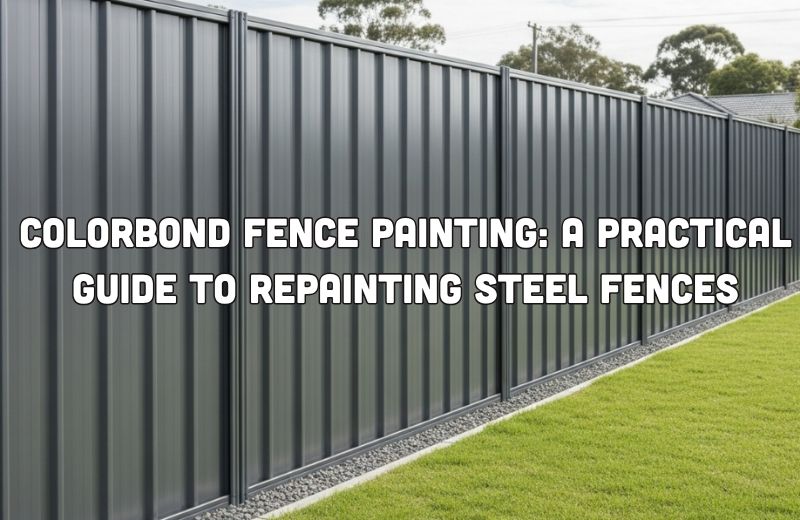
Colorbond Fence Painting: A Practical Guide to Repainting Steel Fences
Colorbond fence painting is a coating-system project, not a quick colour change. COLORBOND® steel has a factory-applied finish that needs compatible preparation and paint.
Fading, chalking, scuffs, and small corrosion spots can make a boundary look neglected. A careful repaint can restore a consistent finish without replacing sound panels in Commercial Painters Melbourne
The result depends on surface condition. Cleaning, adhesion, rust treatment, masking, and weather control matter as much as the final colour in melbourne painters
Why Colorbond Fence Painting Needs Its Own Plan
COLORBOND® steel is not ordinary painted steel. Its factory-baked surface uses several protective layers, including a corrosion-inhibiting primer and exterior topcoat.
A repaint must bond to that existing finish. A product suited to timber fencing may not suit a pre-painted metal panel.
For broader property work, see professional fence painting in Melbourne. Property owners looking for painters ascot vale often coordinate fence repainting with gates, retaining walls, and other exterior surfaces to achieve a more consistent finish across the entire property.
Important warranty note
BlueScope advises that overpainting COLORBOND® steel can affect original product warranty coverage. Check the current warranty position before selecting a repaint system.
Read the Existing Coating Before You Choose a Colour
A good scope starts with a close inspection. Check both fence faces, posts, rails, fasteners, gate frames, and low sections near garden beds.
Look for dull chalking, grime, stains, scratches, peeling touch-ups, rust, and loose fasteners. Each issue changes the preparation plan.
Clean dirt, chalking, and salt without damaging the finish
Wash with clean water and a mild, non-abrasive detergent where needed. Use a soft cloth, sponge, or soft nylon brush, then rinse thoroughly.
Avoid abrasive pads, paint thinners, turps, petrol, and harsh solvent cleaners. They can damage the existing finish or create uneven gloss.
Treat scratches and corrosion as local repairs
Scratches can expose metal and allow corrosion to develop. Remove unstable material, address corrosion, and use the primer specified for the selected system.
Do not hide active rust beneath topcoat. A clean, stable repair area gives the new coating a better chance to perform.
Check old repainting before adding another layer
A previously repainted fence may have weak or incompatible layers. A small test area can help confirm adhesion and colour before full application.
If the old finish peels, remove failed coatings before repainting. Fresh paint cannot stabilise a failing base.
Build the Recoat System in the Right Order
Colorbond fence painting works best as a sequence. The chosen primer and topcoat should match the existing coating, the fence condition, and the local environment.
Always follow the paint manufacturer’s data sheet for preparation, film build, recoat time, and weather limits. Do not assume every fence needs the same number of coats.
Primer is a decision, not an automatic shortcut. Use it where bare metal, corrosion repairs, difficult adhesion, or the coating system requires it.
For a detailed comparison of common exterior products, review fence paint comparison guidance. Product suitability still depends on the exact metal surface and manufacturer instructions.
Spray Broad Panels, Then Control the Details
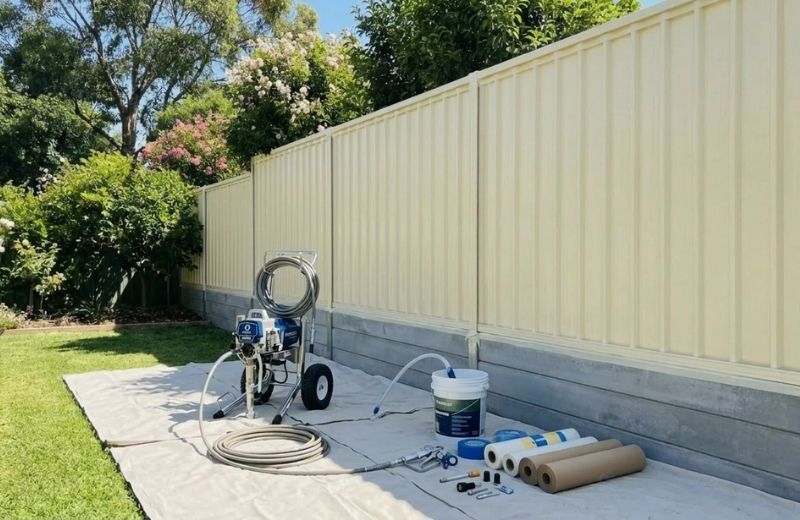
Spraying can produce an even finish across long, flat Colorbond fence panels. It can also reach panel ribs and edges more consistently than a rushed brush application.
The method needs careful overspray control. Wind, nearby cars, windows, pools, plants, neighbouring property, and boundary access must be managed before spraying begins.
Read how to spray paint a fence for practical spraying context. Use brushes or rollers where posts, edges, small repairs, and restricted spaces need greater control.
A professional method is not only about speed. Compare the scope and controls when deciding between a fence painter and a general painter.
Plan the Colour Around the Whole Exterior
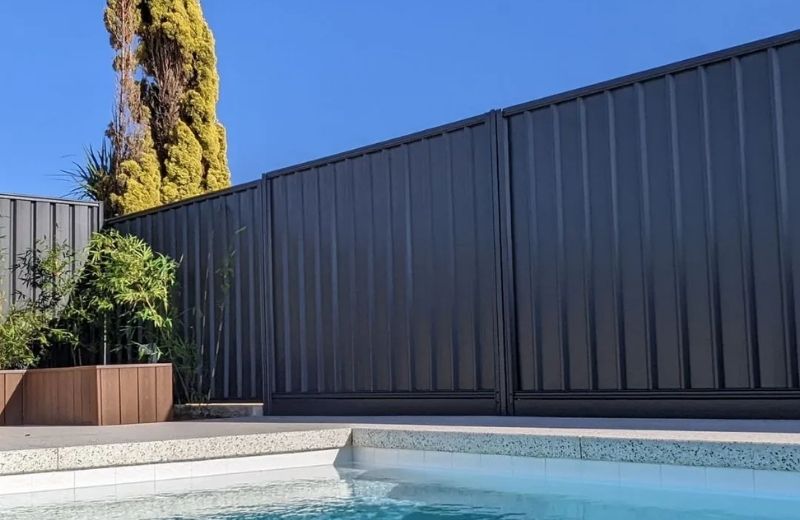
A new fence colour affects more than the boundary. It changes how the garden, roof, gutters, paving, façade, garage door, and side gate read together.
Test colour samples on the actual fence. View them in direct sun, shade, and late afternoon light before you approve the full repaint.
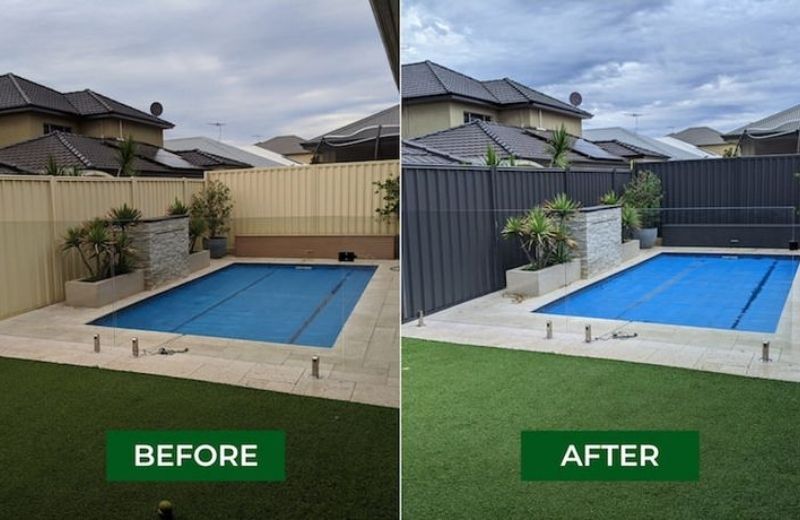
A full-fence repaint usually gives the most consistent visual result. Fresh paint can look different beside a weathered panel or an old touch-up.
Use contrast with purpose
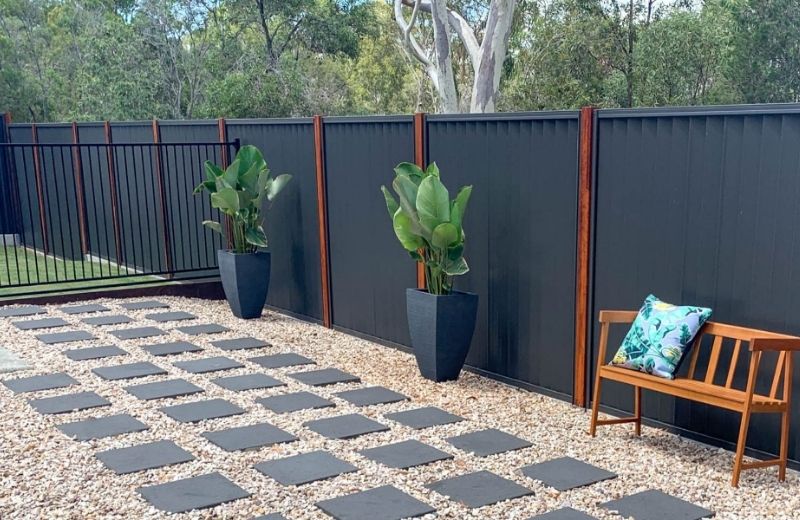
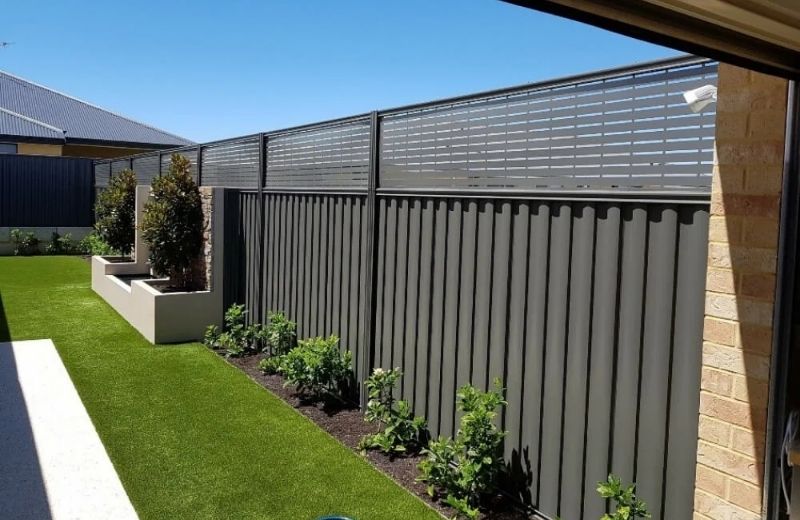
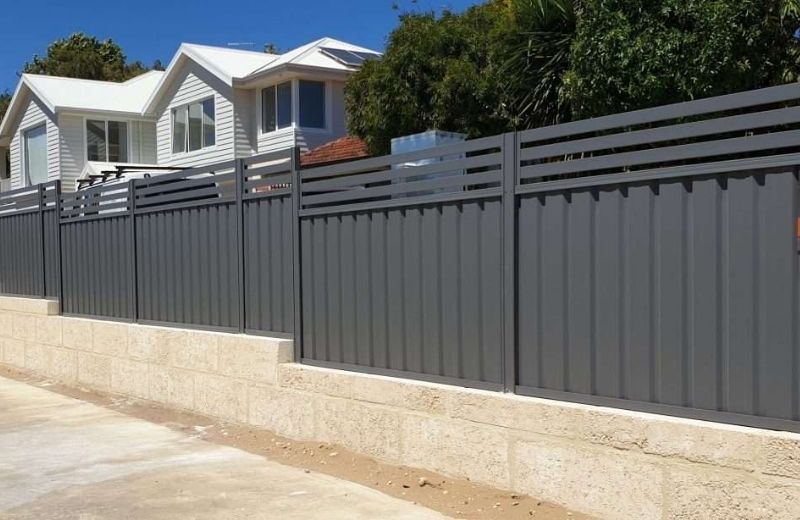
Dark charcoal shades can frame planting and create a modern backdrop. Lighter neutrals may soften compact yards and complement pale façades.
Do not choose colour from a screen alone. A physical sample shows undertones that digital images often hide.
Link the fence to the property palette
Explore fence painting colour ideas before choosing a final shade. Connect the decision to exterior painting services when the façade also needs attention.
Use one finish schedule for the fence, gates, trims, and other painted metal. It prevents late changes and mismatched sheens.
Choose a Quote That Protects the Fence
The lowest price can miss the work that makes a metal repaint last. Compare preparation, repairs, coating systems, and protection before comparing totals.
A clear Colorbond fence painting quote explains what happens before the first topcoat. It should also state any assumptions about access, weather, plants, gates, and shared boundaries.
- ✓Which panels, posts, gates, caps, and fence faces are included?
- ✓How will dirt, chalking, loose paint, and corrosion be treated?
- ✓Which primer and topcoat system is proposed for pre-painted steel?
- ✓How will cars, windows, paving, plants, pools, and neighbouring property be protected?
- ✓What weather conditions could delay the work or affect application?
- ✓How will extra repairs or hidden surface failure be handled?
For contractor standards, see qualified and insured painters in Melbourne. The right scope makes it easier to compare like with like.
Care for the Repainted Finish
After Colorbond fence painting, regular cleaning helps the finish keep a consistent appearance. Rinse sheltered sections and coastal boundaries more often than rain-washed areas.
Use mild, non-abrasive cleaning methods. Do not use solvent cleaners, abrasive tools, or strong chemical products on the painted surface.
Inspect the fence after gardening, gate repairs, storms, or contractor work nearby. Address deep scratches and coating damage before corrosion becomes a larger repair.
Planning a complete exterior refresh?
Vicpainter can coordinate fence, façade, gate, and exterior detail work within one practical plan. Send photos, approximate measurements, and clear views of both fence faces for a more useful quote.
FAQs
Can you paint a Colorbond fence?
Yes. A sound Colorbond fence can be repainted with a compatible coating system. Inspect the surface, clean it correctly, and confirm product compatibility first.
Do you need to sand a Colorbond fence before painting?
Only where the chosen coating system or surface condition requires it. Do not sand sound factory coating aggressively. Treat damaged, peeling, or repaired areas as needed.
Does a Colorbond fence always need primer?
Not always. Primer is commonly used on bare metal, corrosion repairs, difficult areas, or where the manufacturer specifies it. The surface condition decides the system.
Can you spray paint a Colorbond fence near neighbours?
Yes, with strict overspray controls. Protect nearby property, work in suitable wind conditions, and use hand application where spraying creates unacceptable risk.
How should you clean a repainted Colorbond fence?
Use water and mild non-abrasive detergent when needed. Clean gently with a soft cloth, sponge, or nylon brush, then rinse with clean water.
