
The Ultimate Guide to the Best Paint Sprayer for Fence Projects
Refreshing your property’s boundary lines can dramatically boost your home’s curb appeal in best painters in melbourne. However, anyone who has ever stared down a long stretch of weathered timber knows that manually applying coats of paint or stain is a grueling task. If you want to achieve a flawless finish in a fraction of the time, finding the best paint sprayer for fence projects is the ultimate game-changer.
At the middle of the funnel, you likely already know that you need a faster solution than a traditional brush and roller. Now, the challenge lies in choosing the right tool for your specific needs, evaluating the overall investment, and deciding the best approach for your property. This comprehensive guide will walk you through everything you need to know about selecting the ideal paint sprayer, ensuring your upcoming project is a resounding success.
Why Ditch the Brush and Roller?
Taking on a fence painting project can instantly transform your backyard’s appearance, but the method you choose dictates how quickly you cross the finish line. Brushes and rollers are perfectly fine for small, flat surfaces. Fences, however, are rarely flat. They feature overlapping boards, rough timber grains, intricate latticework, and deep crevices that rollers simply glide right over.
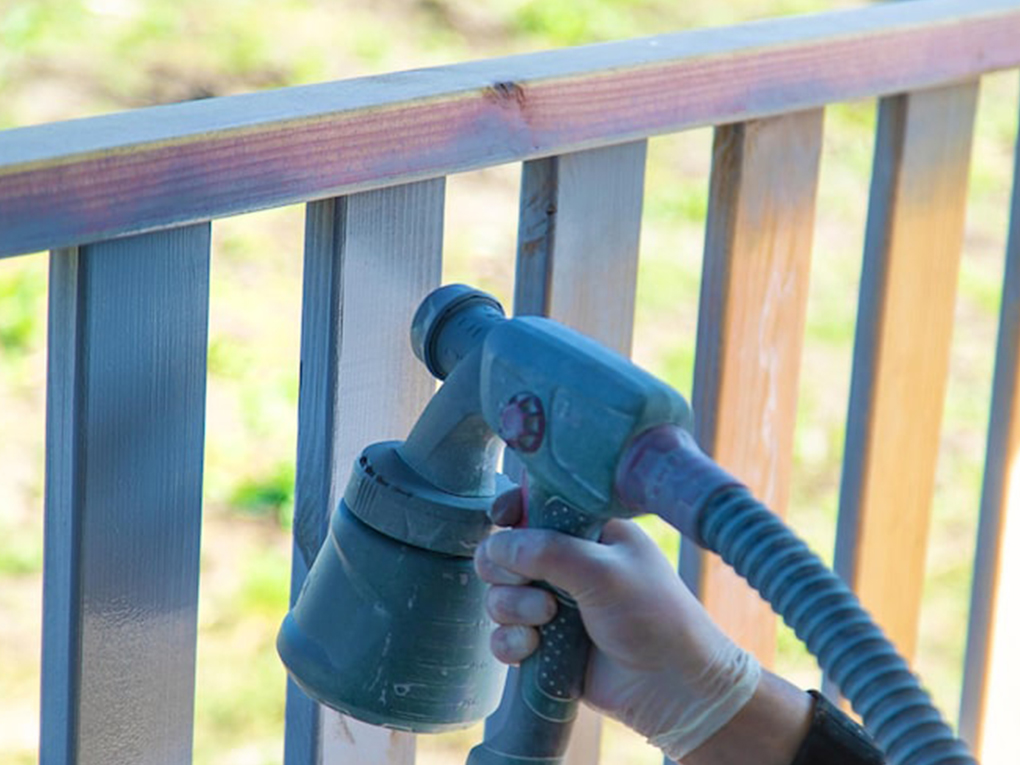
Using a paint sprayer forces the coating into these hard-to-reach textures, ensuring a uniform, professional-grade finish while protecting the wood against moisture and UV damage. Furthermore, a sprayer can cut your application time by up to 75%. What would normally take an entire weekend of back-breaking labor can often be completed in a single afternoon.
Understanding the Types of Paint Sprayers
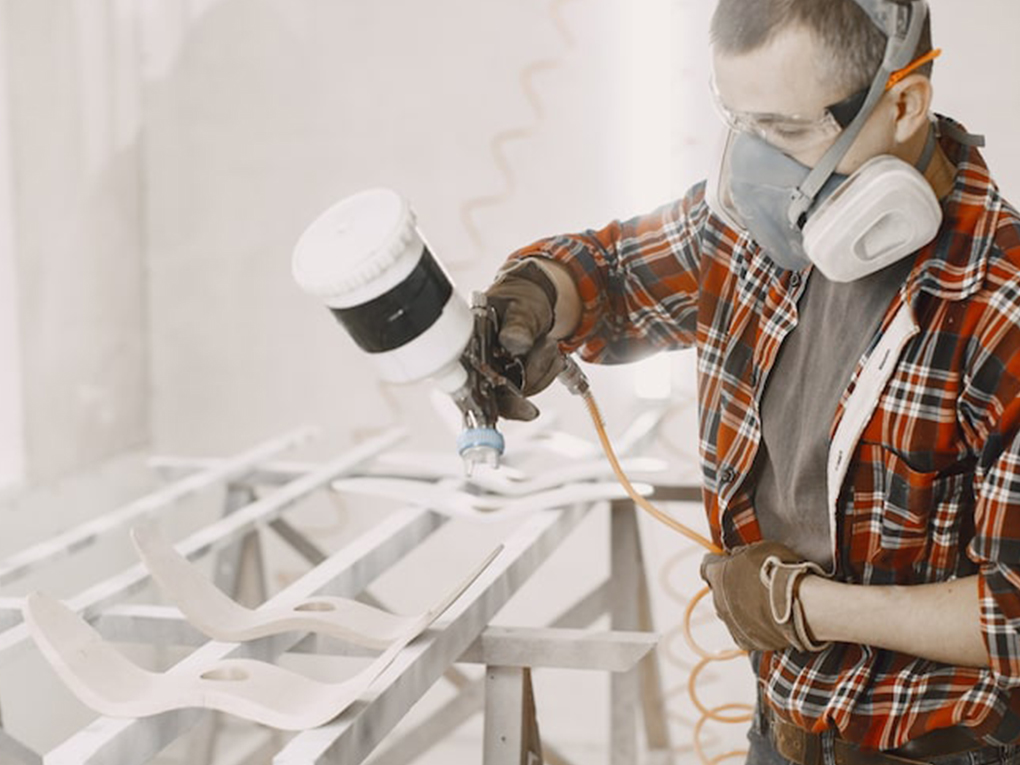
When shopping for the best paint sprayer for fence applications, you will quickly discover that not all tools operate the same way. Selecting the right technology depends entirely on the size of your yard and the type of material you plan to spray.
Airless Paint Sprayers: Built for Speed and Scale
Airless sprayers are the heavy-duty workhorses of the painting world. They pump paint at incredibly high pressures, forcing the liquid through a specialized tip to atomize it into a fine mist.
- Pros: They are incredibly fast, can handle thick exterior paints and solid stains without thinning, and draw material straight from a large bucket.
- Cons: They produce a significant amount of overspray, requiring meticulous masking of nearby plants, concrete, or your neighbor’s property.
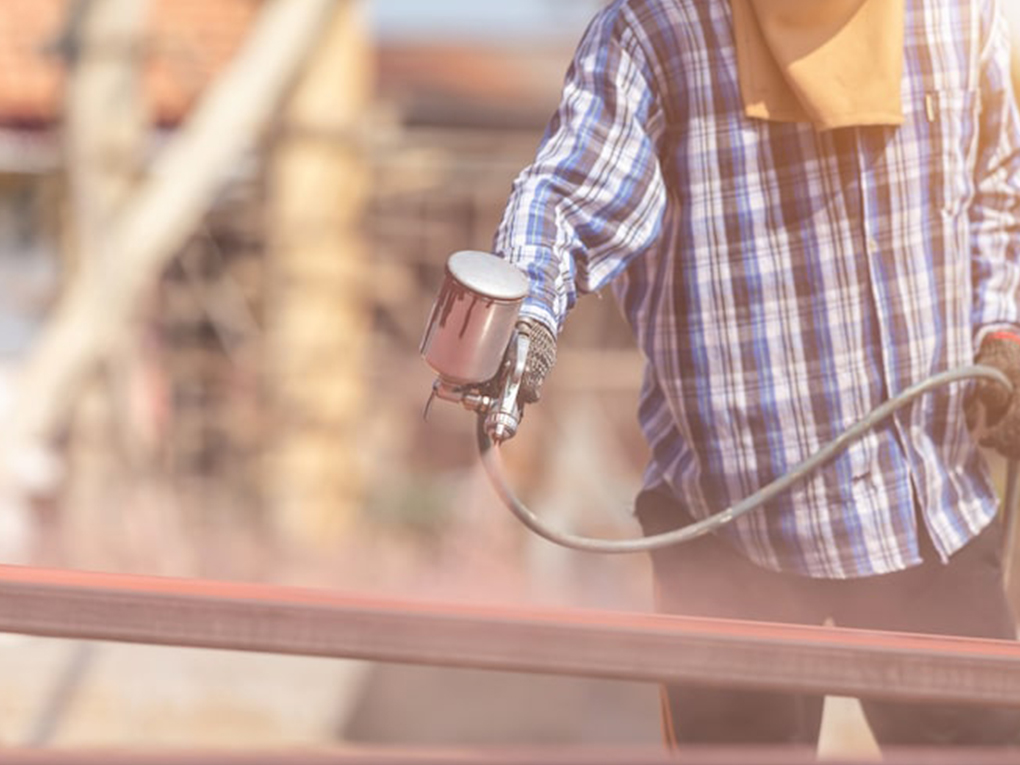
HVLP (High Volume Low Pressure) Sprayers
HVLP sprayers operate exactly as the name suggests. They use a high volume of air at a lower pressure to propel the paint.
- Pros: They offer maximum control and produce very little overspray, making them ideal for detailed work, intricate metal fences, or smaller suburban boundaries where precision is vital.
- Cons: They generally require you to thin the paint or stain before application, and the smaller cup size means you will be refilling the unit frequently.
Key Features of the Best Paint Sprayer for Fence Work
Beyond just choosing the type of sprayer, you must evaluate specific features that separate a frustrating tool from a fantastic one.
Adjustable Pressure and Spray Patterns
Versatility is essential. Look for a machine that allows you to easily adjust the pressure. Lowering the pressure reduces overspray when working near delicate landscaping, while higher pressure pushes thick latex paints flawlessly. Additionally, a tip that rotates allows you to switch between horizontal, vertical, and circular spray patterns depending on the orientation of your fence panels.
Portability and Hose Length
If you have a massive perimeter to cover, carrying a heavy machine will quickly exhaust you. Wheeled carts or lightweight handheld units are excellent choices. If you opt for a stationary unit, ensure it supports a long hose (at least 25 to 50 feet) so you can work your way down the property line without constantly moving the heavy paint bucket and motor.
Ease of Cleaning
The worst part of any painting project is the cleanup. If a sprayer takes an hour to disassemble and scrub, you lose the time you saved during the application. Prioritize models that connect directly to a garden hose for rapid flushing, or those with highly accessible, tool-free components.
DIY Spraying vs. Calling the Experts
Purchasing a high-quality sprayer is an investment. Consequently, you must weigh the cost of the equipment against the scale of your project. Before heading to the hardware store, you might be wondering, how much does it cost to paint a fence when doing it yourself compared to calling in the pros?
Calculating the fence painting cost per linear foot helps you budget for both paint and materials accurately. Keep in mind that a premium airless sprayer can cost several hundred dollars, not including the cost of drop cloths, masking tape, safety gear, and the paint itself.
If you are strictly managing your budget, reviewing a comprehensive DIY fence painting cost breakdown will help you decide if buying a high-end sprayer is truly justified for a one-time job.
Sometimes, the cost to hire someone to paint a fence is well worth the investment when you factor in equipment costs, the hassle of extensive preparation, and your valuable weekend time. Professionals already own top-tier commercial sprayers and have the expertise to execute the job flawlessly without damaging surrounding property with overspray.
Step-by-Step Preparation for Spraying Your Fence
If you decide to tackle the job yourself, preparation is the secret to a lasting finish.
- Clean the Surface: Use a pressure washer to remove loose dirt, mold, and peeling paint. Let the timber dry completely for at least 48 hours.
- Make Repairs: Secure loose palings, hammer in protruding nails, and replace any rotted wood.
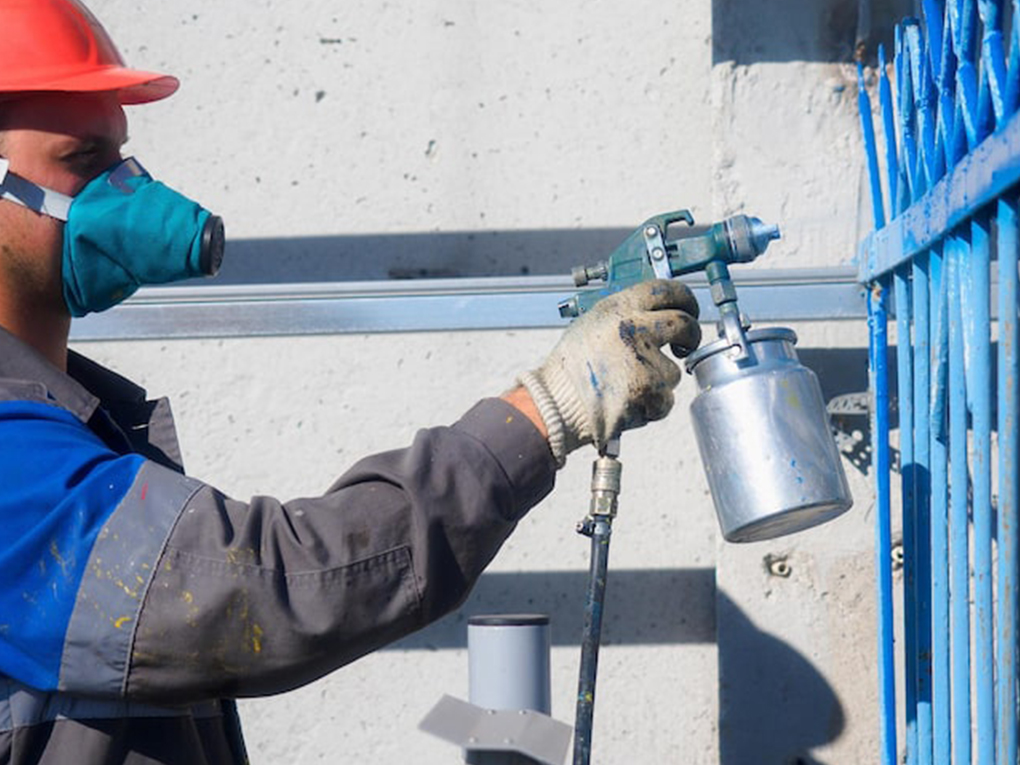
- Mask the Area: Drape plastic sheeting over nearby bushes, cover your grass with drop cloths, and protect adjacent structures.
- Test Your Pattern: Always spray a scrap piece of cardboard first to dial in your pressure and ensure the paint is atomizing correctly.
- Keep Moving: Keep the spray gun parallel to the fence, about 10-12 inches away, and move your arm (not just your wrist) in long, sweeping motions to avoid drips.
Frequently Asked Questions (FAQs)
Does a paint sprayer use more paint than a roller?
Yes, paint sprayers generally consume about 20% to 30% more material than a roller due to overspray and the atomization process. However, the superior coverage and massive time savings usually offset the extra material cost.
Do I need to thin the paint before using a sprayer on a fence?
It depends on the machine. Powerful airless sprayers can usually handle unthinned exterior acrylics and heavy stains. HVLP sprayers typically require thinning the material with water or a specific solvent to achieve a smooth spray pattern. Always check the manufacturer’s guidelines.
What is the best weather for spraying a fence?
Choose a dry, overcast day with minimal wind. High winds will carry overspray onto your house, your car, or your neighbor’s property. Avoid painting in direct, blistering sunlight, as the paint will dry too quickly and fail to adhere properly to the timber.
Can I use a paint sprayer for fence staining?
Absolutely. Sprayers are phenomenal for applying thin, semi-transparent, or solid stains. Because stains are thinner than paint, an HVLP sprayer or an airless sprayer on a low-pressure setting works perfectly to soak the wood evenly.
How long does a sprayed fence take to dry?
Most exterior water-based paints and stains will be dry to the touch within 1 to 2 hours, but require 24 to 48 hours to fully cure. Ensure there is no rain in the forecast for at least a couple of days following your project.
Investing in the best paint sprayer for fence restoration is a fantastic way to elevate your home’s exterior efficiently. By understanding the differences between airless and HVLP models, prioritizing adjustable features, and properly preparing your workspace, you can achieve a stunning, protective finish.
However, always assess the full scope of the project. Compare the equipment costs and your available time against professional quotes to ensure you are making the smartest decision for your property. Ready to get started? Evaluate your boundary line, crunch the numbers, and take the first step toward a beautifully refreshed outdoor space today!
- Address: 71 Rochester Road, Balwyn, VIC 3103
- Hotline: 0401 851 598
- Email: pm@vcolour.com.au
- Website: www.vicpainter.com
- Facebook: facebook.com/fencepaintingmelbourne/
- Instagram: instagram.com/wallrepair.melbourne/
