
The Ultimate Guide to Choosing the Best Wood Fence Paint
A beautifully maintained boundary does more than just secure your property; it frames your landscaping, elevates curb appeal, and adds significant value to your home. If your current boundary looks weathered, gray, or peeling, finding the right wood fence paint is the crucial first step toward a stunning outdoor transformation. Because exterior timber faces constant exposure to harsh UV rays, pounding rain, and fluctuating temperatures, selecting a premium product and applying it correctly is essential for long-term durability.
In this comprehensive guide, we will walk you through everything you need to know about selecting the ideal products, mastering the application process, and protecting your outdoor investment for years to come.
Why Your Property Needs High-Quality Wood Fence Paint
Wood is a naturally porous material that actively absorbs moisture from its surroundings. Left unprotected, timber boards will warp, crack, and eventually rot, leading to costly structural repairs. Applying a high-quality exterior wood fence paint creates a resilient, protective barrier between the vulnerable timber and the unforgiving elements.
Beyond structural protection, a fresh coat revitalizes the aesthetic of your entire yard. Whether you want to establish a modern, sleek perimeter or maintain a traditional, rustic charm, the right product allows you to customize your outdoor living space.
Executing a successful outdoor home improvement project generally starts with understanding the foundational basics of fence painting. By mastering these fundamentals, you ensure that the time and money you invest yield a beautiful, long-lasting result.
Evaluating Your Options: Finding the Right Formula
When you reach the middle of your buying journey, the sheer volume of exterior finishes available at the hardware store can feel overwhelming. To make an informed decision, you must understand the primary differences between the most common paint formulas.
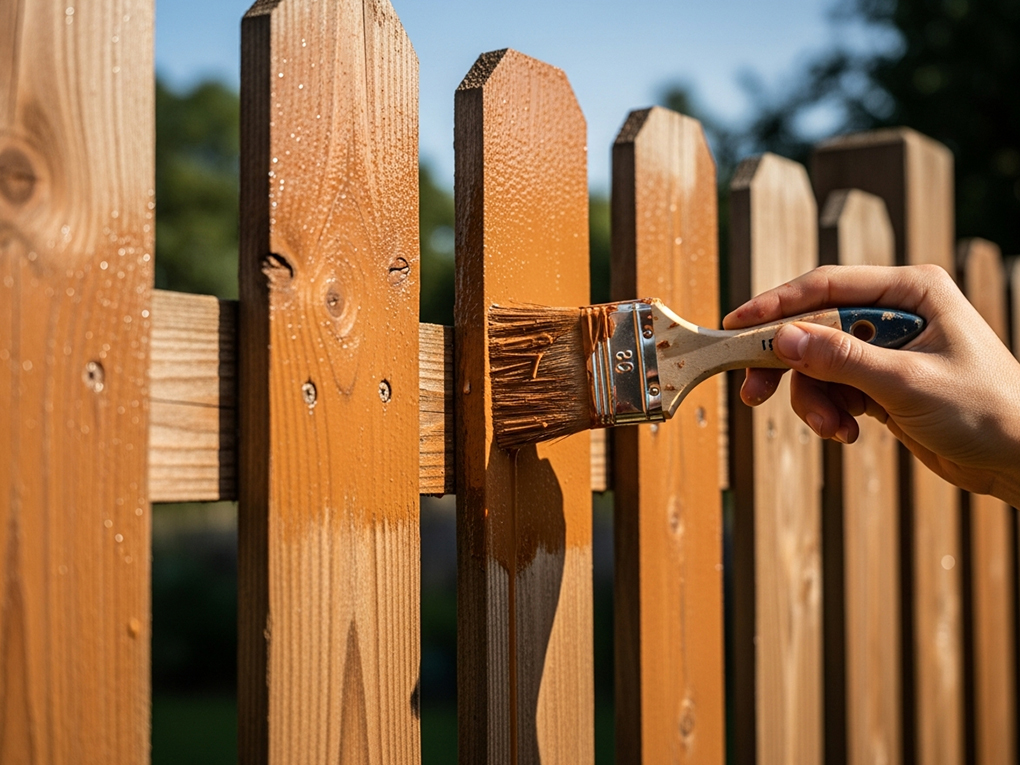
Acrylic Latex Paint vs. Oil-Based Paint
The two main contenders for outdoor timber are acrylic latex and oil-based paints.
- Acrylic Latex Paint: This water-based option is highly favored by modern professionals and homeowners alike. Acrylic latex provides exceptional flexibility, meaning the paint expands and contracts with the wood as temperatures fluctuate throughout the seasons. This flexibility prevents cracking and blistering. Additionally, acrylic formulas dry quickly, emit fewer volatile organic compounds (VOCs), and clean up easily with soap and water.
- Oil-Based Paint: Traditionally known for its hard, durable finish, oil-based paint penetrates deeply into the wood grain. It offers outstanding moisture resistance, making it a solid choice for regions with heavy rainfall. However, oil-based paints take significantly longer to dry, have a stronger odor, and eventually become brittle over time, which can lead to peeling under extreme sun exposure.
The Importance of a Good Primer
Never underestimate the power of an exterior wood primer. A primer acts as a binding agent, ensuring your topcoat adheres flawlessly to the surface. It also seals the wood’s pores, blocking tannins (natural oils in the wood) from bleeding through and staining your beautiful new finish.
If you are working with bare timber or significantly weathered boards, applying a high-quality primer is a non-negotiable step.
Navigating the Design: Selecting the Perfect Hue
Choosing the correct shade is just as important as selecting the right chemical formula. Your boundary lines take up a massive amount of visual real estate in your yard, so the color you choose will dictate the entire outdoor atmosphere.
When evaluating various fence painting colours, consider the architectural style of your home and your existing landscaping.
Darker shades, like charcoal or deep forest green, create a striking, modern backdrop that makes green foliage pop brilliantly. Conversely, classic whites or light grays offer a timeless, traditional look that makes small yards feel more expansive.
Keep in mind that darker colors tend to absorb more heat, which can slightly accelerate fading, so choosing a premium UV-resistant formula is vital for dark hues.
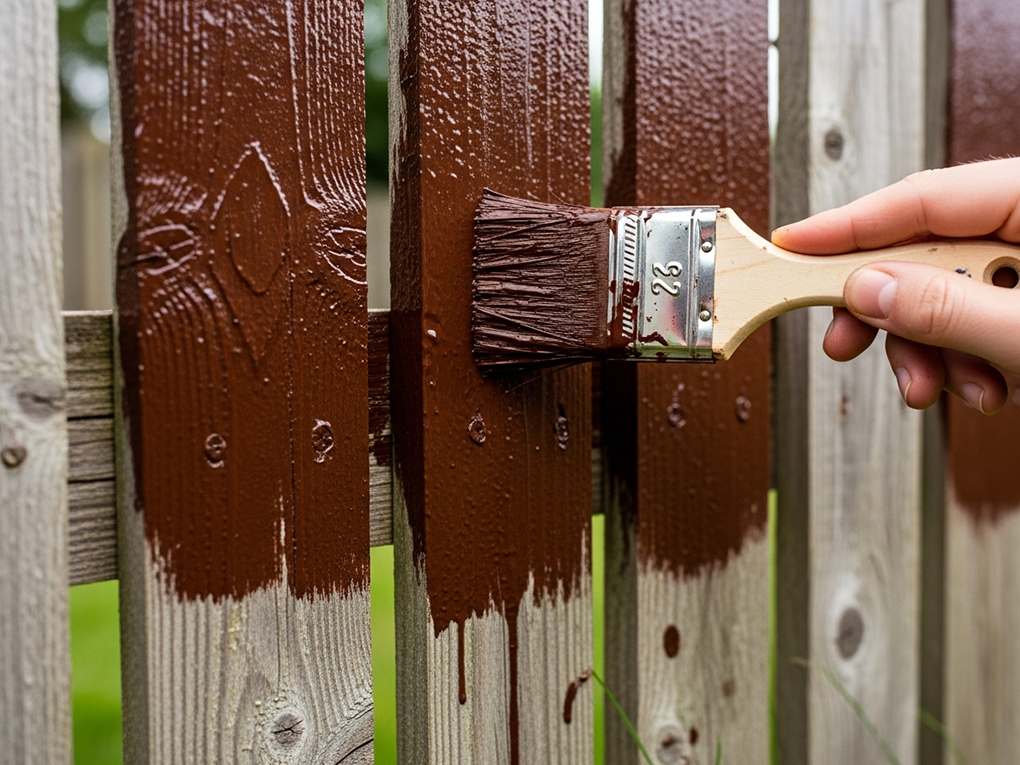
Expert Preparation and Application Techniques
Even the most expensive, top-tier wood fence paint will fail prematurely if applied to a poorly prepared surface.
Preparing the Wooden Surface
A flawless timber fence painting project requires meticulous preparation. Follow these essential steps before opening your paint can:
- Inspect and Repair: Walk along your boundary and inspect every board. Replace any rotting wood, secure loose nails, and tighten wobbly hinges.
- Clean Thoroughly: Dirt, algae, and mildew prevent paint adhesion. Use a pressure washer on a low setting or a stiff bristle brush with a specialized wood cleaner to scrub the surface.
- Scrape and Sand: Once the wood is completely dry (which may take up to 48 hours), use a scraper to remove any flaking or peeling old paint. Lightly sand the entire surface to create a slight texture, allowing the new primer to grip effectively.
- Protect Surroundings: Lay down drop cloths to protect your grass, garden beds, and hardscaping from accidental drips.
Applying the Paint for Maximum Durability
Once prepped, apply your primer using a brush, roller, or airless sprayer. Brushing is highly recommended for the first coat, as the friction forces the primer deep into the wood grain.
After the primer dries, apply your chosen topcoat. Two thin, even coats always provide better protection and a smoother finish than one thick, heavy coat.
It is worth noting that tackling challenging exterior environments requires a vastly different approach than interior upgrades. For instance, painting on wall paper indoors involves controlling indoor humidity and focusing on delicate surface adhesion, whereas outdoor painting demands strict attention to weather forecasts, ambient temperature, and moisture levels. Always aim to paint on a dry, overcast day with moderate temperatures.
Understanding Different Fencing Materials
While this guide focuses heavily on wooden structures, many properties feature a mix of materials. If your property includes modern steel or corrugated iron boundaries, your approach must shift entirely.
Preparation for porous timber is vastly different from the chemical etching and specialized metal primers required for painting colorbond fences. Always ensure you purchase the specific formulas designed for the exact material you are coating to avoid rapid peeling and failure.
Frequently Asked Questions (FAQs)
How long does wood fence paint typically last?
High-quality acrylic latex paint applied over a properly prepared and primed surface can last anywhere from 5 to 9 years, depending on your local climate and sun exposure.
Should I paint or stain my wooden fence?
Paint sits on top of the wood, providing an opaque, colorful shell that offers maximum UV and moisture protection. Stain penetrates the wood, highlighting its natural grain but requiring more frequent reapplication (every 2 to 3 years). Choose paint for maximum durability and color variety.
Do I really need to use a primer?
Yes. Primer seals the wood, stops tannin bleed-through, and ensures your expensive topcoat bonds securely to the surface, preventing premature peeling.
Can I paint over old, peeling paint?
No. Painting directly over failing paint guarantees your new coat will peel off alongside the old one. You must scrape off loose flakes and sand the edges smooth before applying primer.
Is it better to use a brush, roller, or sprayer?
A sprayer is the fastest method for covering large areas, but you should always follow up with a technique called “back-brushing.” Using a brush immediately after spraying pushes the paint deep into the wood fibers, ensuring a stronger bond and comprehensive coverage.
Selecting the perfect wood fence paint is a vital step in maintaining the integrity and beauty of your property. By choosing the right formula, dedicating time to thorough preparation, and applying the paint correctly, you ensure your yard remains a stunning, protected sanctuary for years to come.
Do not let weather elements degrade your home’s exterior-start planning your outdoor transformation today. Assess your current boundary, select a premium weather-resistant product, and elevate your property’s curb appeal to new heights.
