
Painting on Wallpaper: Tips and Techniques for Stunning Results
Vậy là bạn vừa mua một bất động sản đầu tư mới ở vùng ngoại ô, hoặc có lẽ cuối cùng bạn cũng quyết định bắt tay vào cải tạo căn phòng trống trong ngôi nhà kiểu kiến trúc Liên bang của mình, nơi mà bạn chưa hề động đến kể từ năm 1985. Bạn bước vào, và rồi bạn thấy ngay: giấy dán tường hoa văn phủ kín toàn bộ bức tường.
Là một thợ sơn chuyên nghiệp đã làm việc trong các gia đình Úc hơn 15 năm, tôi nhận được câu hỏi này gần như mỗi tuần: “Anh ơi, tôi có thực sự phải cạo lớp sơn này đi không, hay chỉ cần sơn phủ lên là được?”
Câu trả lời ngắn gọn là: Có, bạn có thể sơn phủ lên giấy dán tường. Nhưng – và đây là một điều cực kỳ quan trọng – bạn phải làm đúng cách. Nếu bạn chỉ quét một lớp sơn nội thất thông thường lên giấy dán tường cũ, bạn sẽ có một mớ hỗn độn nổi bọt trông giống như bản đồ địa hình của dãy núi Blue Mountains.
Đây là hướng dẫn thực tế, được giới chuyên môn công nhận, về cách thực hiện đúng cách.
Nên sơn hay không nên sơn? Đánh giá tình hình.
Trước khi bạn nghĩ đến việc đến Bunnings hoặc cửa hàng sơn gần nhà, bạn cần đánh giá tình trạng của lớp phủ tường hiện tại. Sơn phủ lên giấy dán tường là một cách tiết kiệm thời gian và ngân sách, nhưng không phải lúc nào cũng là lựa chọn đúng đắn.
Bạn có thể sơn phủ lên nếu:
- Giấy dán tường được dán chặt vào tường (không bị bong tróc ở các góc).
- Không có hư hại vật chất, nấm mốc hoặc ẩm mốc do nước ngấm từ dưới đất lên.
- Giấy phẳng (không có vân), hoặc bạn không ngại giữ nguyên độ nhám của giấy.
Bạn nên tháo nó ra nếu:
- Nó được phủ một lớp vinyl và dễ bị bong tróc.
- Hiện đã có nhiều lớp giấy chồng lên nhau.
- Chất liệu thô ráp, nặng nề, và bạn muốn một lớp hoàn thiện mịn màng, hiện đại (thường thấy trong các công trình cải tạo theo phong cách ven biển hiện đại hoặc Hamptons).
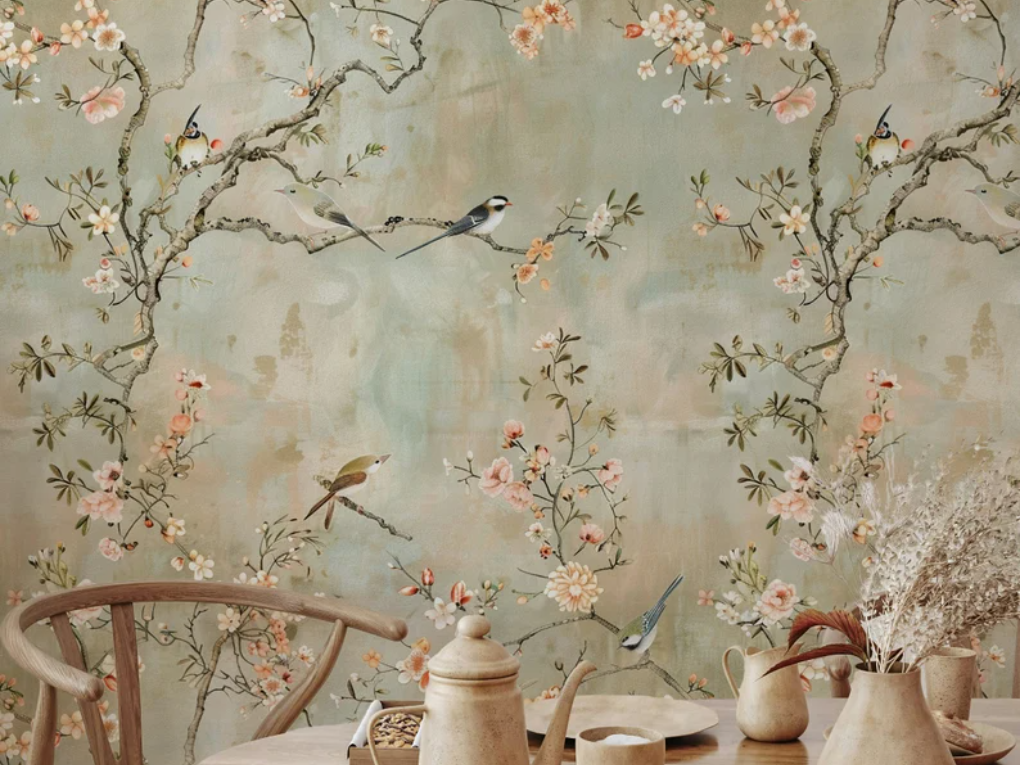
Công tác chuẩn bị cho “bí quyết kinh doanh”
Đây là điểm mà các công việc tự làm thường thất bại. Nếu bạn coi việc sơn trên giấy dán tường giống như sơn trên tường thạch cao thông thường, bạn sẽ thất bại. Keo dán giấy dán tường tan trong nước. Nếu bạn dùng chất phủ acrylic gốc nước thông thường, hơi ẩm sẽ thấm qua, làm mềm keo và giấy sẽ bong ra khỏi tường.
Bước 1: Cố định các đường may
Kiểm tra kỹ từng centimet trên tường. Nếu có mép giấy dán tường bị bong tróc hoặc đường nối bị lỏng, bạn cần dán chúng lại bằng keo dán giấy dán tường chuyên dụng. Không sử dụng keo dán thông thường như Blu Tack hay keo siêu dính; hãy mua keo dán chuyên dụng.
Bước 2: Lớp niêm phong quan trọng (Chỉ dùng cho chất liệu gốc dầu!)
Đây là đoạn quan trọng nhất trong bài viết này. Bạn phải sử dụng chất sơn lót gốc dầu.
Trong nghề, chúng tôi thường sử dụng các sản phẩm như Zinsser BIN hoặc chất khóa gốc dầu chuyên dụng từ Dulux hay Wattyl. Gốc dầu “khóa” bề mặt giấy mà không thấm xuống lớp keo. Nó tạo ra một lớp vỏ cứng mà bạn có thể sơn phủ lên một cách an toàn.
Mẹo hay: Sơn lót gốc dầu có mùi rất nồng. Hãy đảm bảo bạn đã mở cửa sổ và thông gió tốt. Loại sơn này khá dính, vì vậy tấm bạt che phủ là rất cần thiết để bảo vệ sàn nhà và chân tường.
Bước 3: Vá và làm phẳng bề mặt
Sau khi lớp sơn lót dầu khô (thường khá nhanh), bạn sẽ thấy các đường nối của giấy dán tường. Nếu muốn có bề mặt nhẵn mịn, bạn cần làm phẳng các đường nối này. Chúng tôi sử dụng bột trét hoặc chất làm đầy, dùng lưỡi dao rộng miết nhẹ lên các đường nối để làm phẳng chúng.
Nếu giấy dán tường có kết cấu mà bạn muốn che giấu, đây là lúc chúng tôi có thể thực hiện “lớp trát mỏng” toàn bộ bức tường để tạo vẻ ngoài giống như tấm thạch cao mới.
Bước 4: Chà nhám
Chà nhám nhẹ tường để làm phẳng các chỗ vá và tạo “độ bám dính” cho lớp sơn lót để lớp sơn phủ bám chắc hơn.
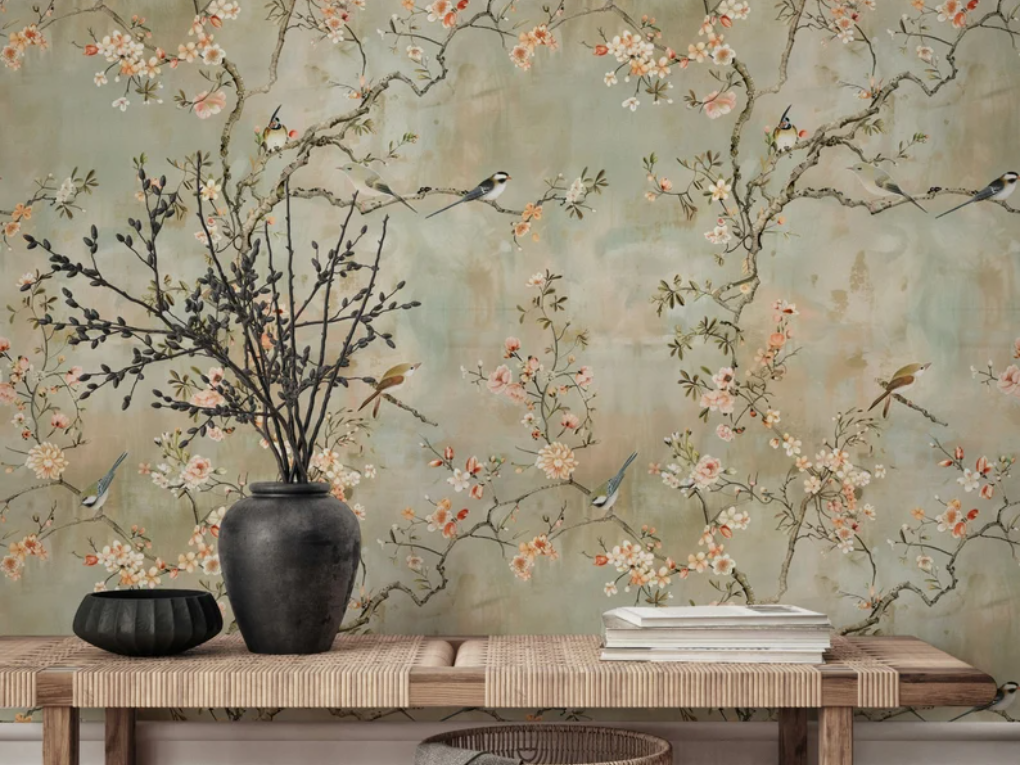
Lựa chọn loại sơn phù hợp với điều kiện của Úc
Sau khi bề mặt được sơn lót và vá lại, bạn có thể chuyển sang sử dụng các loại sơn nội thất gốc nước thông thường. Tại Úc, chúng tôi may mắn sở hữu một số công nghệ sơn hàng đầu được thiết kế để phù hợp với điều kiện khí hậu nơi đây.
Với một dự án như thế này, tôi đặc biệt khuyên dùng lớp phủ mờ hoặc có độ bóng thấp.
- Sơn mờ: Tuyệt vời để che giấu các khuyết điểm. Nếu bạn sơn phủ lên giấy dán tường và bề mặt không hoàn toàn nhẵn mịn, sơn mờ sẽ giúp che đi các chỗ lồi lõm.
- Sơn bóng mờ: Tiêu chuẩn cho phòng khách và hành lang ở Úc. Loại sơn này dễ lau chùi và bền (rất cần thiết nếu nhà có trẻ nhỏ hoặc thú cưng hay va vào tường).
Các thương hiệu như Dulux Wash&Wear hoặc Haymes Expressions là những lựa chọn tuyệt vời. Nếu bạn đang cải tạo một bất động sản cho thuê, Taubmans Endure cũng là một sản phẩm bền bỉ, chịu được điều kiện khắc nghiệt.
Hòa nhập với xu hướng thiết kế hiện đại của Úc
Chỉ vì bức tường được dán giấy dán tường cũ kỹ không có nghĩa là lớp sơn hoàn thiện cũng phải trông lỗi thời. Sơn phủ lên giấy dán tường thường là một phần của quá trình cải tạo lớn hơn nhằm đưa ngôi nhà trở nên hiện đại hơn.
Phong cách Hamptons & ven biển
Nếu bạn đang hướng đến phong cách Hamptons nhẹ nhàng, tông trắng chủ đạo đang rất thịnh hành ở các vùng ngoại ô Sydney và Melbourne hiện nay, việc sơn phủ lên giấy dán tường thực sự có thể giúp ích. Nếu giấy dán tường có kết cấu hơi nhám, việc sơn lại bằng màu “Lexicon Quarter” hoặc “Vivid White” tinh tế có thể tạo thêm sự ấm áp sang trọng mà bề mặt thạch cao phẳng không có được.
Phục hồi Liên bang
Trong những ngôi nhà cũ, việc bóc bỏ giấy dán tường thường làm hư hại lớp vữa thạch cao mỏng manh bên dưới. Sơn phủ lên trên là một biện pháp bảo tồn. Những màu xanh lá cây đậm hoặc xanh hải quân cổ điển (như “Hagrid” hoặc “Deep Ocean” của Dulux) trông rất tuyệt trên nền giấy dán tường cổ có bề mặt hơi nhám.
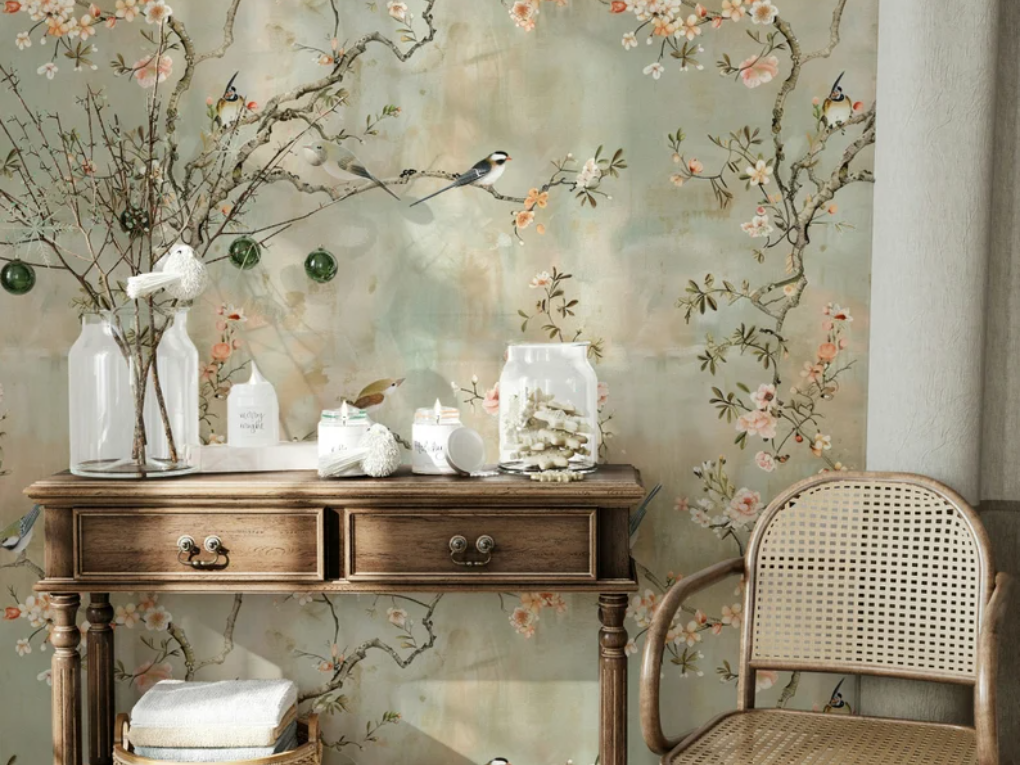
Ngoài phòng khách: Những cân nhắc toàn diện cho ngôi nhà
Khi bạn bắt tay vào xử lý việc dán giấy dán tường trong một căn phòng, đó thường là dấu hiệu cho thấy toàn bộ ngôi nhà cần được làm mới. Hiếm khi tìm thấy một ngôi nhà cần sơn lại giấy dán tường mà không cần chú ý đến những chỗ khác trong nhà.
Ví dụ, trong khi bạn đang chuẩn bị cọ vẽ, hãy kiểm tra các khu vực bị ướt. Có sự khác biệt lớn giữa việc sơn trên giấy dán tường ở hành lang và sơn trên gạch ốp tường trong phòng tắm. Sơn gạch đòi hỏi một hệ thống sơn lót hoàn toàn khác (thường là sơn epoxy hoặc sơn chuyên dụng cho gạch) do độ ẩm cao và tiếp xúc trực tiếp với nước.
Tương tự, hãy kiểm tra tình trạng trần nhà và lớp sơn trên các bề mặt tường trát vữa trong phòng ngủ. Nếu phòng dán giấy dán tường đang được sửa sang lại, sự tương phản với trần nhà bị ố vàng ở phòng bên cạnh sẽ rất dễ nhận thấy.
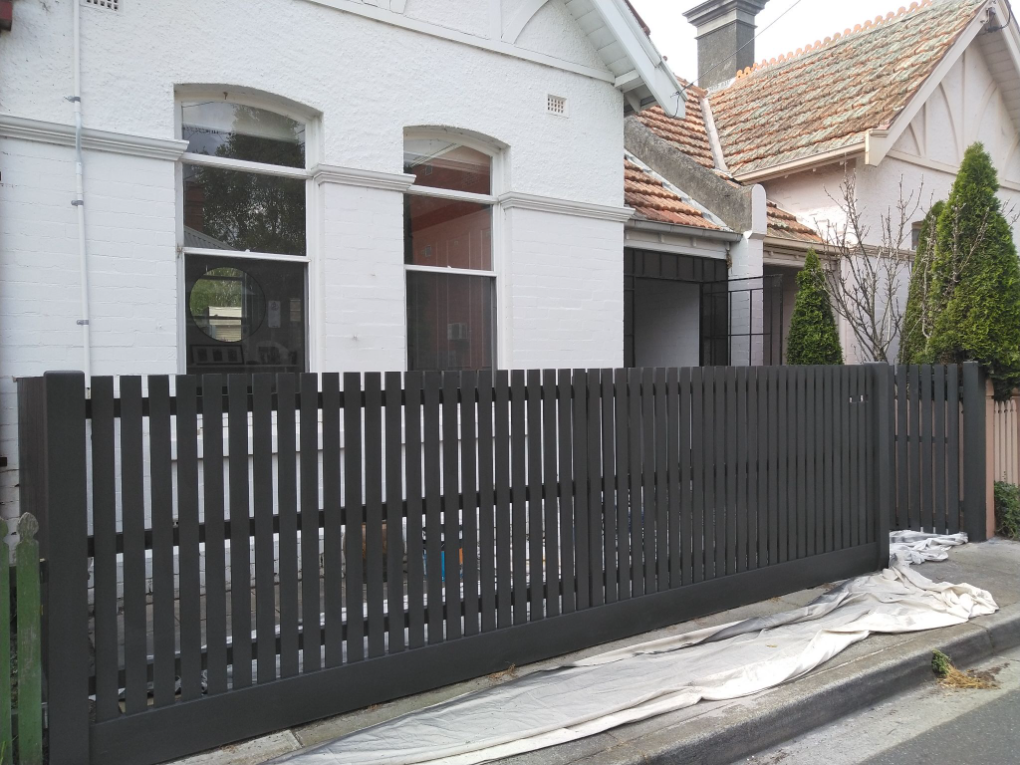
Đừng quên cả phần ngoại thất. Ở Úc, ánh nắng gay gắt làm hư hại các bề mặt ngoại thất nhanh hơn so với nội thất. Nếu bạn đang sửa sang nhà cửa hoặc cải tạo lớn, vẻ ngoài của ngôi nhà là yếu tố quan trọng nhất. Một lớp sơn mới cho lớp ốp tường là rất cần thiết, nhưng hàng rào xung quanh cũng vậy. Một ngôi nhà trông đẹp mắt nhưng hàng rào cũ kỹ là một dấu hiệu cảnh báo đối với người mua. Việc sơn lại hàng rào chuyên nghiệp có thể làm nổi bật hoàn hảo nội thất mới được sơn của bạn.
Lưu ý an toàn: Nếu bạn đang cải tạo một ngôi nhà cũ (trước năm 1990), hãy hết sức cẩn thận với các cấu trúc bên ngoài. Chúng tôi thường nhận được câu hỏi về việc sơn các ranh giới hàng rào amiăng. Đây không phải là công việc tự làm. Việc làm sạch amiăng bằng máy phun áp lực cao là bất hợp pháp và nguy hiểm. Việc niêm phong nó đòi hỏi các quy trình cụ thể để đảm bảo các sợi amiăng không bị phát tán.
Tại sao nên chọn VicPainter?
Tại VicPainter, chúng tôi không chỉ đơn thuần quét sơn lên rồi trông chờ vào điều tốt đẹp nhất. Chúng tôi hiểu rõ về hóa học của sự bám dính. Khi thực hiện dự án dán giấy dán tường, chúng tôi kiểm tra bề mặt trước. Chúng tôi sử dụng chất bịt kín gốc dầu cao cấp, đảm bảo lớp sơn mới của bạn sẽ không bị bong tróc trong vòng sáu tháng.
Chúng tôi coi nhà bạn như nhà của chính mình. Điều đó có nghĩa là bảo vệ các đường viền trang trí, che phủ sàn nhà và để lại hiện trường sạch sẽ hơn cả lúc ban đầu. Chúng tôi hiểu sự khác biệt giữa việc che đậy tạm thời và một lớp phủ bền lâu.
Ngoài ra, nếu bạn đang quan tâm đến khu vườn sau nhà và nghĩ đến vấn đề an toàn và thẩm mỹ, chúng tôi không chỉ sơn tường. Từ việc sơn hàng rào hồ bơi đến làm mới sàn gỗ ngoài trời, chúng tôi đều đáp ứng được.
Câu hỏi thường gặp
Việc sơn phủ lên giấy dán tường tốn bao nhiêu tiền so với việc bóc bỏ giấy dán tường?
Việc sơn phủ lên thường rẻ hơn vì tốn ít công sức hơn. Bóc bỏ giấy dán tường rất tốn công; chúng ta phải hấp hơi, cạo, rửa sạch, và sau đó thường phải trát lại lớp vữa thạch cao bị hư hại bên dưới. Sơn phủ lên (nếu tình trạng tốt) sẽ tiết kiệm được thời gian bóc bỏ, mặc dù chi phí vật liệu cho sơn lót gốc dầu sẽ cao hơn một chút.
Tôi có thể dùng sơn và lớp sơn lót 2 trong 1 để sơn giấy dán tường được không?
Hoàn toàn không. Hầu hết các loại sơn 2 trong 1 đều là sơn acrylic gốc nước. Như đã đề cập trước đó, nước phản ứng với keo dán giấy dán tường. Bạn cần một lớp sơn lót gốc dầu chuyên dụng, có khả năng chống ố trước.
Các đường may có bị lộ ra không?
Nếu chỉ sơn thông thường, các đường nối sẽ hiện rõ. Nếu muốn có bề mặt liền mạch, chúng ta cần chà nhám các gờ của đường nối và lấp đầy chúng bằng bột trét mối nối trước khi sơn lót. Đây là một phần trong tiêu chuẩn chuẩn bị của VicPainter.
Tôi có thể sơn phủ lên giấy dán tường bằng nhựa vinyl được không?
Chất liệu vinyl khá khó xử lý vì nó không xốp (chất liệu nhựa). Sơn sẽ dễ dàng trôi đi. Bạn cần một loại “sơn lót tăng độ bám dính” đặc biệt được thiết kế cho bề mặt bóng (như Dulux Precision Maximum Strength). Chúng tôi thường khuyên nên bóc bỏ lớp vinyl nếu có thể, nhưng nếu nó bám chắc, chúng tôi có các loại sơn lót chuyên dụng để xử lý.
Bạn có muốn tôi khảo sát các bức tường dán giấy dán tường của bạn và báo giá miễn phí xem nên sơn lại hay bóc bỏ lớp giấy dán tường? Hãy liên hệ với chúng tôi ngay hôm nay để bắt đầu quá trình cải tạo nhà bạn một cách đúng đắn.
Khám phá thêm nội dung và dịch vụ:
