
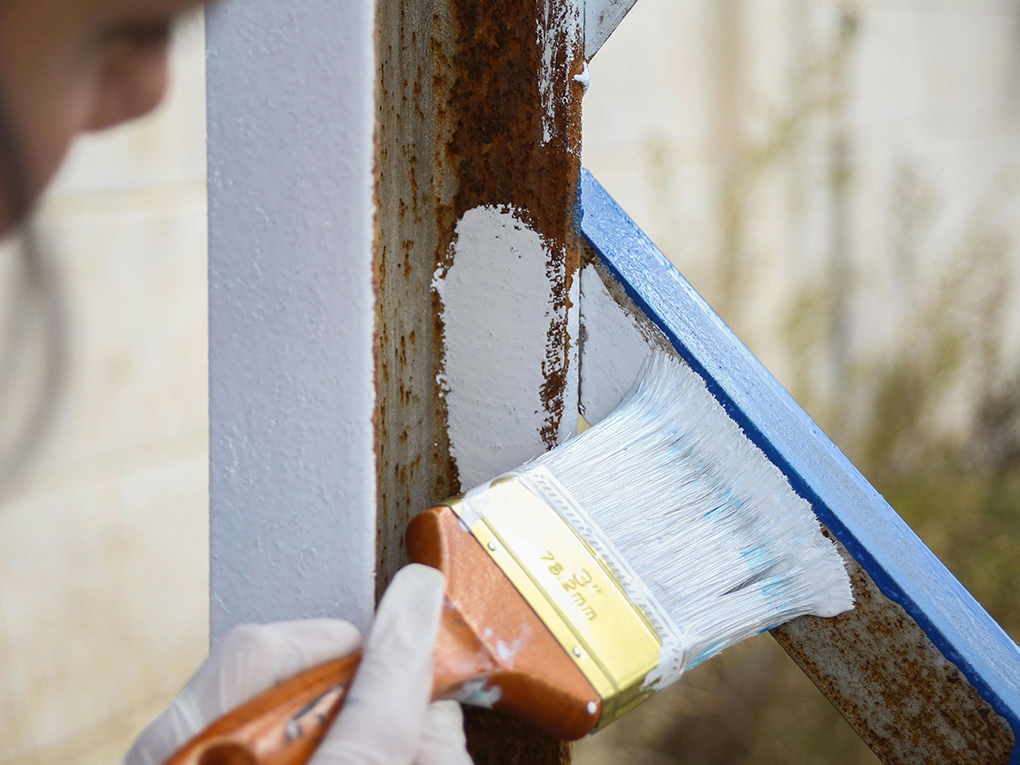
How long does fence paint last?
A well-painted boundary does more than just secure your property; it frames your landscaping, elevates your home’s kerb appeal, and protects the underlying structural materials from the elements in painting services melbourne. However, transforming your outdoor space requires an investment of time, effort, and money. It is entirely natural to want to protect that investment. If you are planning an exterior upgrade, you are likely asking a crucial question: exactly how long does fence paint last?
What is the Average Lifespan of a Painted Fence?
On average, a professionally applied coat of high-quality acrylic exterior paint on a timber boundary will last anywhere from 5 to 9 years. Solid colour stains typically last between 3 to 5 years, while semi-transparent stains might require reapplication every 2 to 3 years.
If you have a metal boundary, the paint can last significantly longer-often upwards of 10 to 15 years-provided it is applied over a rust-inhibiting primer and properly maintained. However, these averages are just baselines. The actual longevity of your finish depends heavily on a combination of environmental factors, material choices, and preparation techniques.
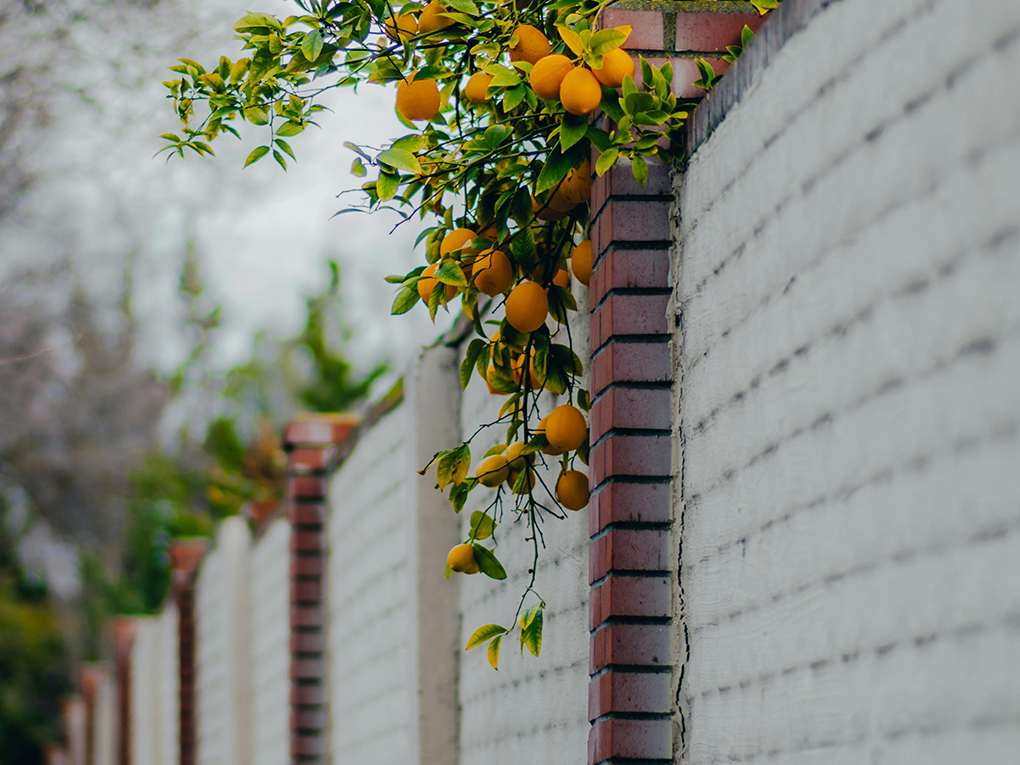
Key Factors That Influence Fence Paint Durability
To truly understand the lifespan of your exterior project, you need to look at the daily stress your boundary endures. Several core elements dictate when you will need to pick up a brush again.
Exposure to Harsh Weather Elements
The climate is the primary enemy of any exterior finish. Intense ultraviolet (UV) rays from the sun cause pigments to fade and the chemical bonds in the paint to break down, leading to a chalky residue on the surface.
Furthermore, heavy rain, fluctuating temperatures, and high humidity cause timber to naturally expand and contract. This constant movement forces the paint film to stretch, eventually leading to cracking, flaking, and peeling.
The Quality of Your Materials
You get what you pay for when it comes to exterior coatings. Premium exterior acrylic latex paints are formulated with high-quality binders and pigments that flex with the timber and resist UV degradation.
Cheaper alternatives lack this elasticity, causing them to turn brittle and fail prematurely. Investing in top-tier materials upfront drastically reduces the frequency of repainting.
The Type of Surface Material
The substrate you are working with plays a massive role in adhesion. Highly porous woods, like treated pine, absorb moisture differently than dense hardwoods, affecting how the coating bonds.
Alternatively, metal surfaces present their own unique challenges. Homeowners looking to modernise their exteriors often wonder can you paint colorbond fence to refresh faded panels.
The good news is that with the right specialised metal paints and etching primers, these surfaces take coatings beautifully and hold onto them for over a decade.
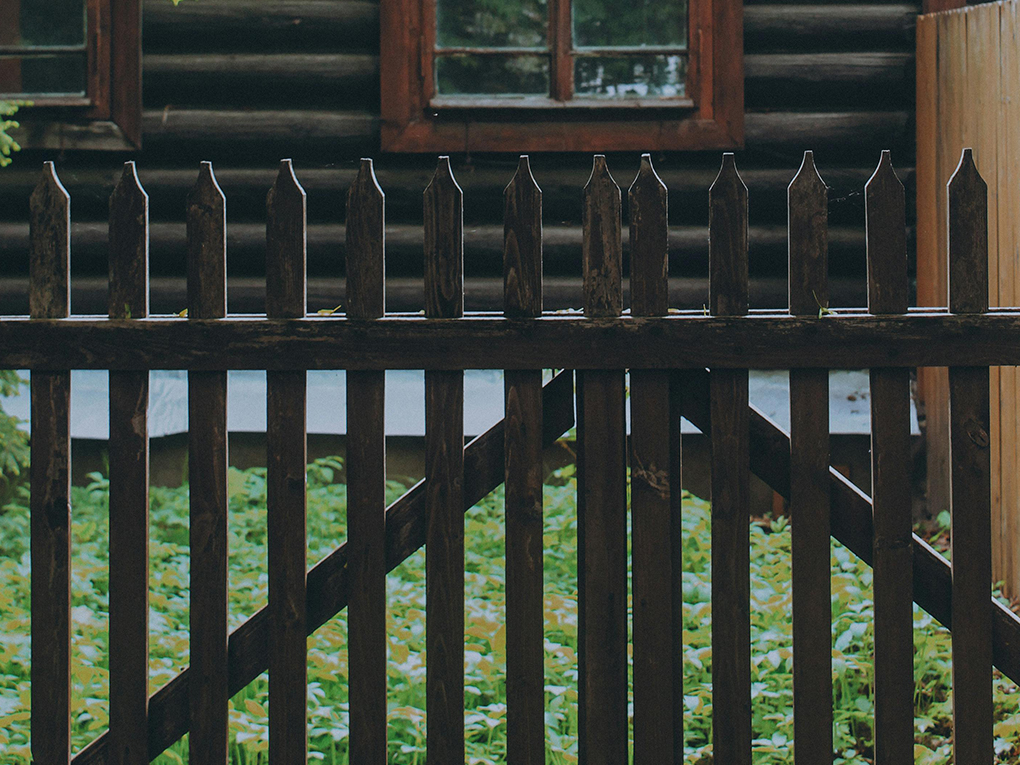
Why Proper Preparation is the Secret to Longevity
The single most common reason for premature paint failure is inadequate surface preparation. Even the most expensive, top-tier coating will peel off within months if applied to a dirty, wet, or flaking surface.
Before opening a single tin of colour, the surface must be thoroughly power-washed to remove dirt, mildew, and loose debris. Any peeling sections must be sanded back to create a smooth, clean profile.
People often try to cut corners during this stage. For instance, if you find yourself wondering do you need to prime a fence before painting, the answer is a resounding yes-especially for bare timber or stained surfaces.
A high-quality exterior primer seals the pores of the wood, blocks tannins from bleeding through, and creates the perfect adhesive layer for your topcoat.
Learning how to paint fence surfaces correctly involves mastering these foundational prep steps. Skipping the primer or painting over damp timber traps moisture beneath the film, guaranteeing bubbling and peeling as the sun heats the surface.
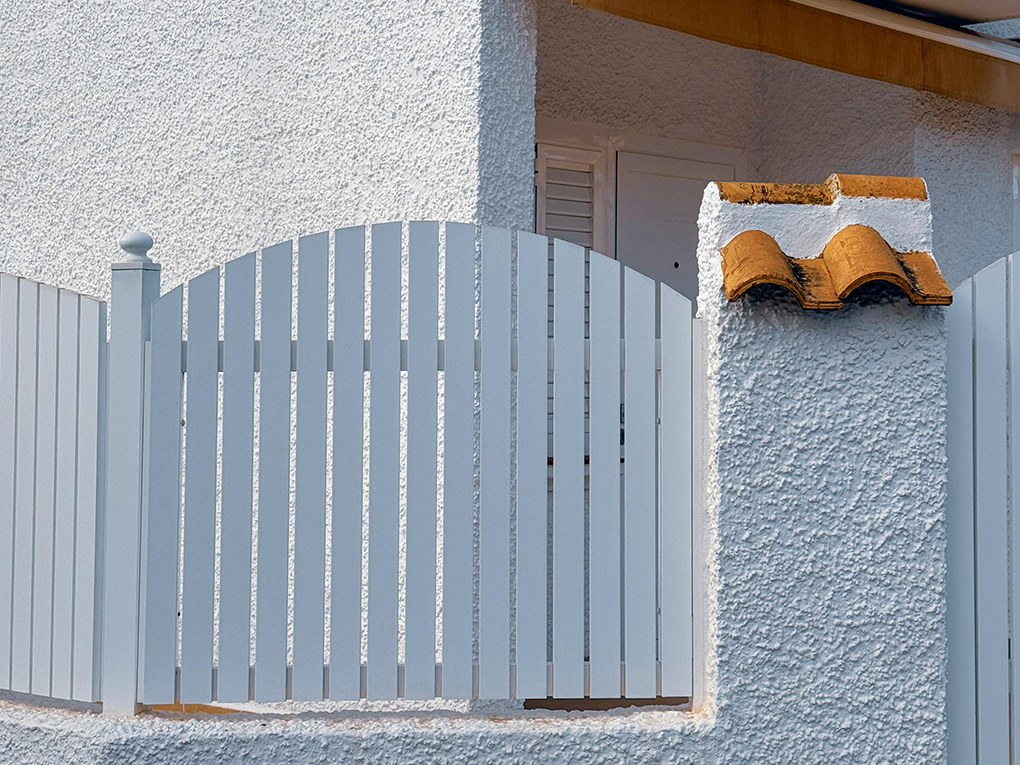
Choosing the Right Aesthetic for Long-Term Value
The colours you choose also impact how the finish ages. Darker shades like charcoal, deep greens, and blacks absorb significantly more heat from the sun than lighter colours.
This increased heat absorption accelerates the breakdown of the resins, meaning dark boundaries often require touch-ups sooner than white or light grey ones.
While browsing online galleries and gathering paint ideas for fences, consider your local climate and how much direct sunlight your property receives. Sometimes, opting for a mid-tone grey or a soft neutral can provide the perfect balance between a modern aesthetic and long-lasting durability.
Extending the Life of Your Painted Boundary
You can actively prolong the lifespan of your finish with a little bit of routine maintenance. Follow these simple steps to keep your boundary looking fresh:
- Annual Cleaning: Gently wash the surface once a year using a low-pressure hose and a soft-bristled brush to remove dirt, bird droppings, and mould.
- Keep Vegetation at Bay: Trim back bushes, vines, and branches. Plants resting against the surface trap moisture and cause the timber to rot beneath the protective coating.
- Check Your Sprinklers: Ensure your reticulation or sprinkler systems are not constantly spraying directly onto the panels, as persistent water exposure leads to waterlogging and blistering.
- Prompt Touch-Ups: Inspect your perimeter annually for small chips or cracks. Sanding and touching up these minor blemishes immediately prevents moisture from getting underneath the film and causing widespread peeling.
Ultimately, securing a flawless, long-lasting finish is often best left to the experts. Professional fence painting ensures that every step, from meticulous preparation to the final even coat, is executed flawlessly, giving you peace of mind and saving you money in the long run.
Frequently Asked Questions (FAQs)
Is it better to paint or stain a timber fence?
It depends on your goals. Paint provides an opaque, uniform finish that offers maximum UV protection and lasts 5 to 9 years. Stain penetrates the wood, highlighting its natural grain, but generally requires reapplication every 2 to 5 years.
How many coats of paint does a fence need?
For a durable, long-lasting finish, you should apply one coat of high-quality exterior primer followed by two full coats of premium exterior acrylic topcoat.
Can I paint over an old painted fence without sanding?
No. Painting over loose, flaking, or glossy surfaces without sanding will result in poor adhesion. You must scrape away loose material, lightly sand the remaining surface to create a “key” for the new coating, and apply a primer to bare spots.
Does a darker colour fade faster on a fence?
Yes. Dark colours absorb more UV rays and heat from the sun. This causes the pigments to fade more quickly and the paint film to undergo more thermal stress than lighter colours.
How long should I wait for treated timber to dry before painting?
New treated pine is often saturated with protective chemicals and moisture. You should generally wait 4 to 8 weeks for the timber to weather and dry out completely before applying any primers or coatings.
Understanding how long does fence paint last comes down to recognising the impact of weather, materials, and methodology. By refusing to compromise on paint quality and dedicating ample time to surface preparation, you can add years to the life of your boundary.
Whether you are dealing with traditional timber palings or modern metal sheets, a diligent approach ensures your property remains beautiful and protected against the elements.
Ready to transform your home’s exterior with a finish that stands the test of time? Reach out to professional painting experts today to discuss your project, explore your colour options, and secure a flawless result that you will enjoy for years to come.
