
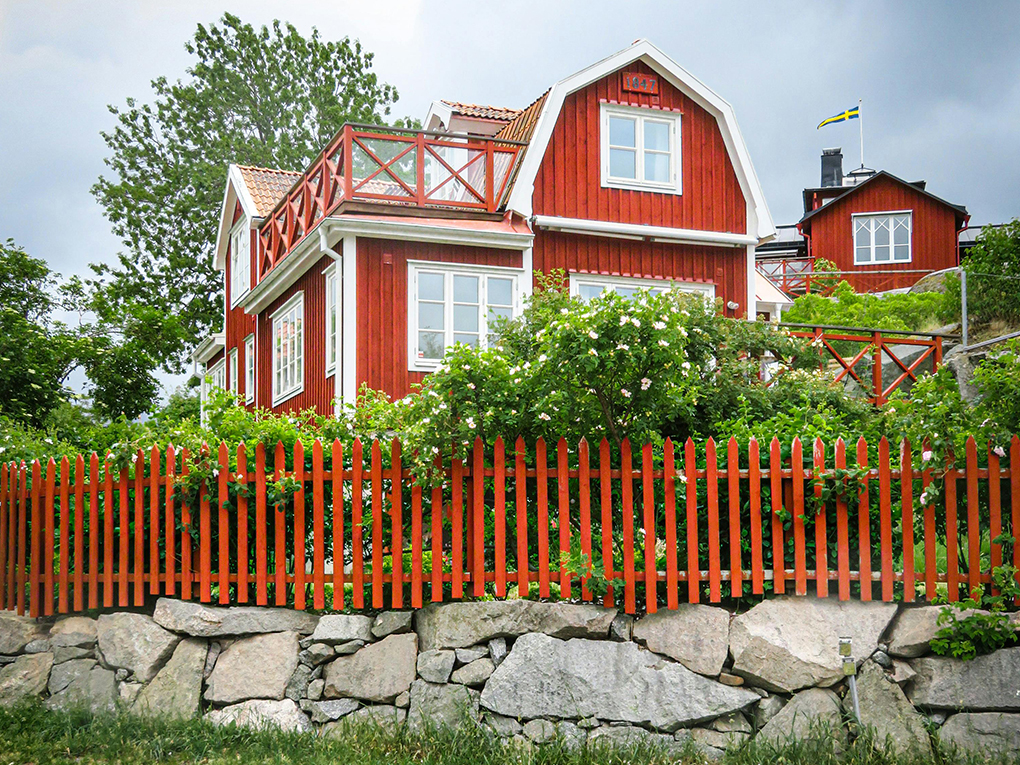
Best time of year to paint a fence?
If you want to ensure your hard work pays off, you must determine the best time of year to paint a fence. Painting in the wrong conditions can lead to blistering, peeling, and a finish that barely lasts a season. Whether you are tackling a weekend DIY project or planning to hire professionals, understanding how temperature, humidity, and seasonal changes affect paint application is absolutely critical in best painters melbourne
Why Timing Matters for Your Outdoor Painting Project
Exterior paints are chemically formulated to cure and bond under specific environmental conditions. When you apply paint to timber or metal, the solvents (or water, in the case of acrylics) need to evaporate at a controlled rate.
If the environment is too hot, the top layer of the paint dries faster than the layers underneath, trapping moisture and causing unsightly blisters.
Conversely, if the weather is too cold or damp, the paint struggles to adhere to the surface properly, leaving it vulnerable to flaking and cracking.
By choosing the right season, you guarantee that the paint bonds deeply with the material, creating a durable shield against UV rays, rain, and wear.
Proper timing is the secret to extending the life of your exterior surfaces and getting the most out of your investment in fence painting.
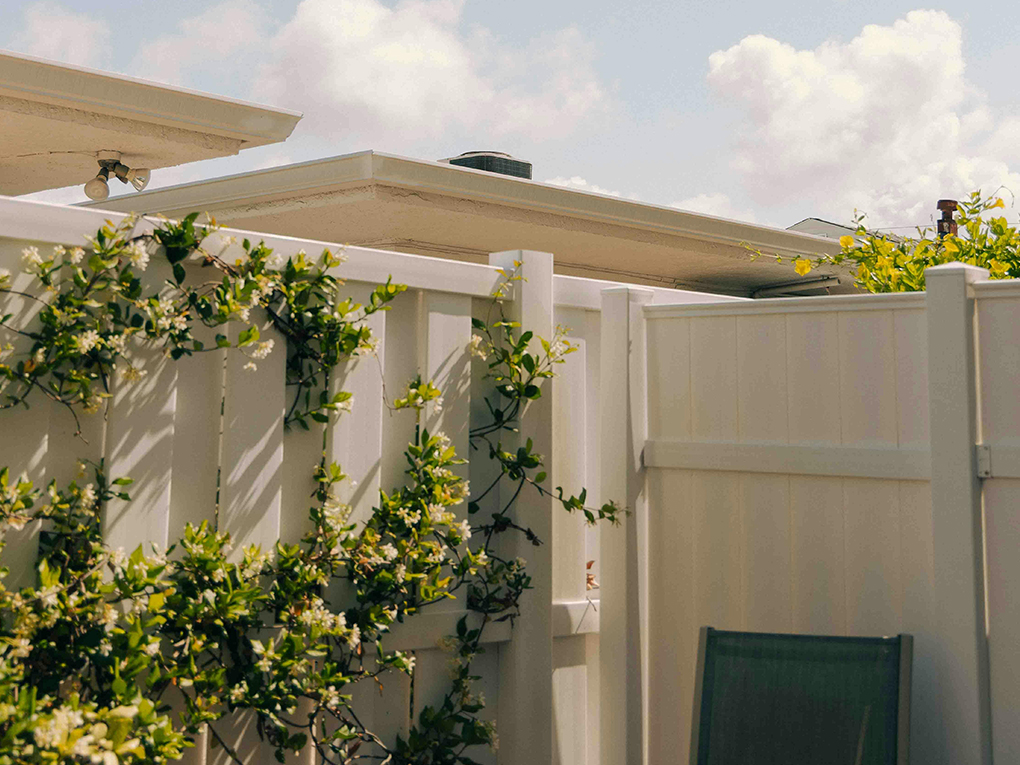
The Ideal Weather Conditions for Exterior Painting
Before looking at specific months or seasons, it is helpful to understand the ideal atmospheric conditions required for an optimal paint job.
Temperature Sweet Spots
Most premium exterior paints perform best when applied in mild temperatures. Generally, the sweet spot falls between 10°C and 30°C. Within this range, the paint flows smoothly off the brush or roller, adheres evenly to the surface, and cures at a consistent, stable pace.
Extreme heat accelerates drying times to an unmanageable degree, while freezing conditions bring the curing process to a complete halt.
Managing Moisture and Humidity
Humidity is just as important as ambient temperature. High humidity levels mean there is excess moisture in the air, which makes it incredibly difficult for the water content in acrylic paints to evaporate.
Ideally, you want to paint on a day with moderate humidity (around 40% to 70%). Furthermore, the surface itself must be bone dry. Painting over damp timber traps moisture inside the wood, inevitably leading to rot and premature paint failure.
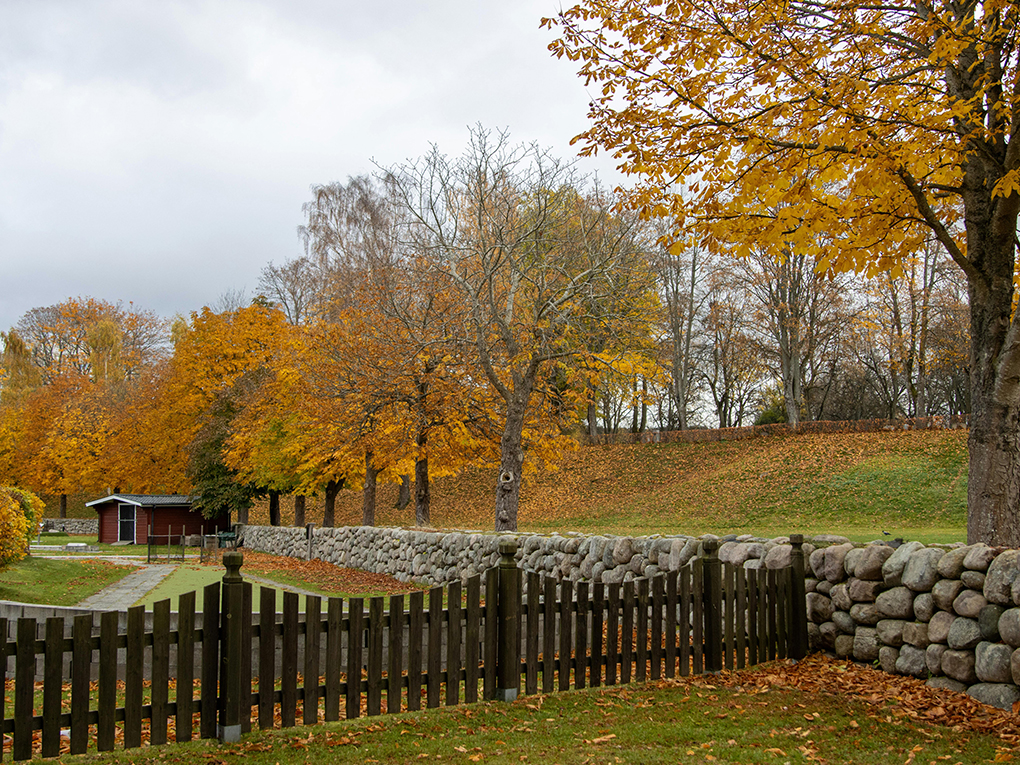
When to Pick Up the Brush?
With the fundamental rules of temperature and humidity established, let us evaluate how each season stacks up for your outdoor renovation plans.
Spring: The Renovation Sweet Spot
Spring is widely considered one of the best times to tackle exterior improvements. The harsh winter cold has retreated, and the intense summer heat has not yet arrived.
The mild temperatures and moderate humidity levels create the perfect environment for paint to dry and cure smoothly.
However, spring can occasionally bring unpredictable rain showers. Always check the local weather forecast and aim for a window of at least three to four consecutive dry days before starting your project.
Summer: Proceed with Caution
While summer brings the benefit of long daylight hours and minimal rain, the intense heat presents significant challenges. Direct, scorching sunlight causes exterior paint to flash-dry.
This means it dries before it has a chance to properly level out and grip the surface. If you must paint during the summer, strategy is key.
Start early in the morning or late in the afternoon, and always try to follow the shade, painting on the side of the property that is protected from direct sunlight.
Autumn: The Unsung Hero of Exterior Maintenance
Autumn is arguably the hidden gem of the painting calendar. Like spring, autumn offers beautifully mild temperatures.
The distinct advantage of autumn, however, is that the air tends to be much drier, and the weather patterns are generally more stable and predictable.
The comfortable climate allows you to work longer hours without the exhaustion of the summer sun, making it an excellent time to prepare your property for the upcoming winter.
Winter: A Challenging Season
Generally speaking, winter is the least favourable time for exterior wet trades. Cold temperatures prevent paint from forming a durable film, and dew or frost can introduce unwanted moisture to the surface overnight.
If your project simply cannot wait until spring, you must strictly monitor the daily temperature. Ensure you only paint during the warmest part of the day and stop well before sunset so the paint has time to set before the evening dew settles.
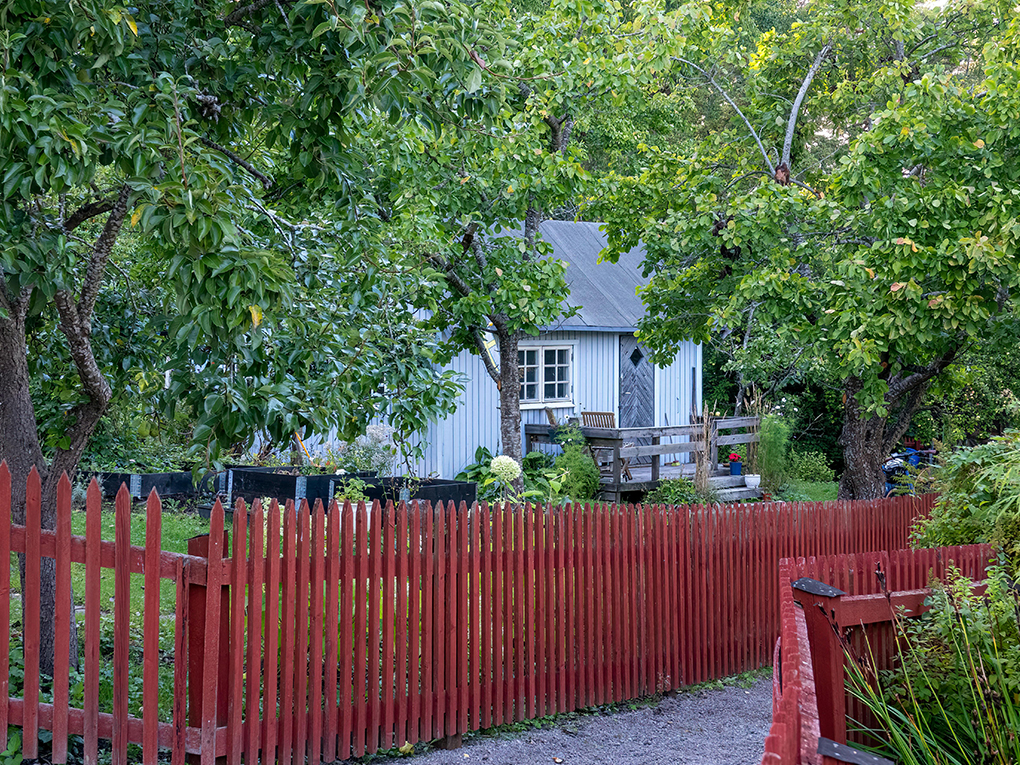
Crucial Pre-Painting Considerations and Expert Tips
Timing your project perfectly is only half the battle; preparation dictates the final quality of the finish. First, thoroughly clean the surface to remove dirt, cobwebs, and peeling flakes.
Once clean, you must evaluate the condition of the material. Many homeowners are unsure about the necessary preparation steps, often asking do you need to prime a fence before painting to ensure a lasting finish.
The answer is almost always yes, especially if the timber is raw, stained, or slightly weathered, as primer creates a crucial binding layer.
Additionally, modern exterior design frequently utilises metal materials. People often wonder can you paint colorbond fence to update their property’s aesthetic.
Thankfully, with the correct cleaning procedures, specialised metal primers, and high-quality exterior acrylics, restoring metal boundaries is entirely achievable.
Once your preparation is complete, application technique matters. To maximise how long does fence paint last, never skimp on the volume of product used.
If you are trying to calculate the materials required and wondering how many coats of paint does a fence need, industry standards recommend one coat of quality primer followed by two solid topcoats for maximum durability and UV resistance.
Frequently Asked Questions (FAQs)
Can I paint my fence if it rained yesterday?
It is highly recommended to wait. Even if the surface looks dry, timber is porous and retains internal moisture. Wait for at least two to three solid days of dry, sunny weather before applying any primer or paint.
What time of day is best for exterior painting?
The ideal time is mid-morning, after the overnight dew has completely evaporated but before the sun reaches its peak midday intensity.
Will painting in direct sunlight ruin the finish?
Yes, direct, intense sunlight heats the surface excessively. This causes the paint to dry too rapidly, leading to visible brush marks, poor adhesion, and eventual blistering. Always try to paint in the shade.
How cold is too cold for exterior painting?
Most standard exterior acrylic paints should not be applied if the ambient temperature or the surface temperature drops below 10°C. Always check the manufacturer’s instructions on the paint tin, as some specialised formulas tolerate lower temperatures.
Does the type of paint affect when I should paint?
Yes. Oil-based paints generally require longer drying times and are more sensitive to high humidity and temperature fluctuations than modern water-based acrylics. Acrylics dry faster and are generally more forgiving in variable weather conditions.
Choosing the best time of year to paint a fence fundamentally impacts the beauty, durability, and lifespan of your exterior surfaces.
By aiming for the mild, stable weather of spring or autumn, avoiding the blistering summer sun, and steering clear of winter moisture, you set your renovation project up for absolute success.
Proper timing, combined with meticulous preparation and high-quality materials, guarantees a stunning boundary that will enhance your property for years to come.
If assessing weather conditions, preparing surfaces, and managing large-scale exterior work feels overwhelming, do not hesitate to reach out to experienced local professionals who can deliver a flawless, weather-resistant finish.
