
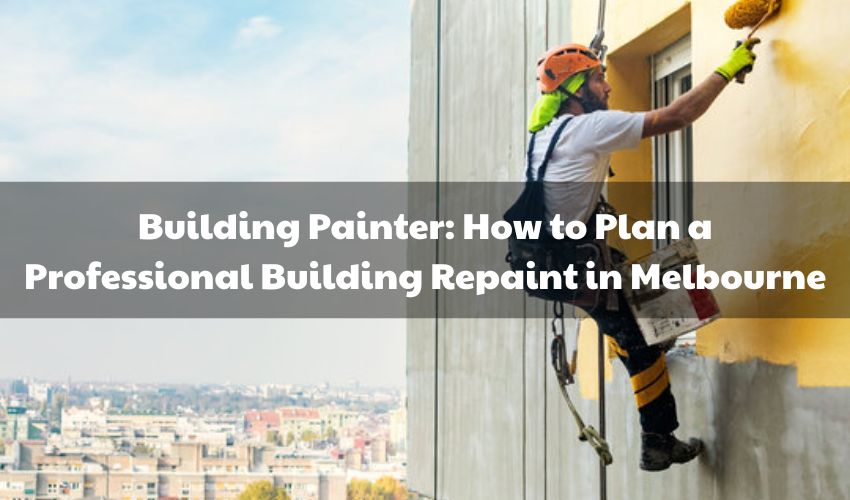
Building Painter: How to Plan a Professional Building Repaint in Melbourne
A building painter should manage more than colour application. Building projects combine surface condition, access, safety, occupants, weather, scheduling and long-term maintenance.
The right scope connects interior and exterior areas with repairs, coating systems, protection measures and a practical work sequence.
This guide explains how Melbourne owners, property managers, builders and businesses can prepare a clearer building-painting brief and compare contractors on equal terms.
Quick direction: Define the building, inspect the surfaces, plan access and disruption, then compare written scopes rather than headline prices.
Define the Building Type and Painting Scope First
A useful building-painting quote begins with the property type. An apartment block, office, shop, warehouse, school and mixed-use building create different access, protection and scheduling requirements.
List every included zone. Exterior work may cover facades, render, masonry, weatherboards, eaves, fascia, doors, windows, metal rails and perimeter fencing. Interior work may include receptions, offices, corridors, stairwells, amenities, ceilings, trims and service areas.
Separate maintenance painting from repairs and upgrades. Cracked render, damaged plaster, rust, failing sealant, water staining and loose coatings can change the preparation method and timeline.
VicPainter’s overview of painting services helps identify the relevant service categories. For business and managed-property work, review commercial painting services before turning the categories into a project-specific scope.

Separate Interior and Exterior Building Paint Systems
Interior and exterior building painting should not be treated as one generic system. Exposure, cleaning needs, substrate movement and daily wear differ across the property.
Exterior coatings must tolerate Melbourne weather, UV exposure, moisture and temperature changes. The contractor should identify the substrate and explain how loose coatings, cracks, bare material and failed joints will be handled.
Interior common areas need finishes selected for traffic and cleaning. Corridors, stairwells, reception areas, doors and amenities usually require more durable systems than low-use rooms.
The commercial painters Melbourne guide provides related context for offices, shops, warehouses, strata buildings and exterior commercial painting.

Plan Access, Safety and Building Operations
A building painter needs a site plan that protects occupants, workers, visitors, vehicles and neighbouring properties. Access decisions should be made before the start date, not improvised after equipment arrives.
Confirm where ladders, mobile platforms or scaffolding may be required and whether entries, footpaths, car parks or loading zones will be affected. Shared areas may need temporary barriers, notices and alternative routes.
The contractor should explain supervision, insurance, communication and responsibility for subcontractors. These checks matter more as the property becomes larger, higher or more heavily occupied.
Use the guide to qualified and insured painters Melbourne when reviewing contractor documentation and accountability.
Access and site-control checklist
- ✓Identify elevated work areas and the access equipment proposed for each elevation.
- ✓Map pedestrian entries, emergency paths, driveways, loading zones and resident or customer routes.
- ✓Agree on barriers, signs, spotters, protection screens and temporary closures where required.
- ✓Confirm working hours, key access, alarms, parking, power, water and storage locations.
- ✓Nominate the site contact who can receive updates and approve minor decisions.
- ✓Explain how weather, access conflicts or building operations will change the schedule.
-
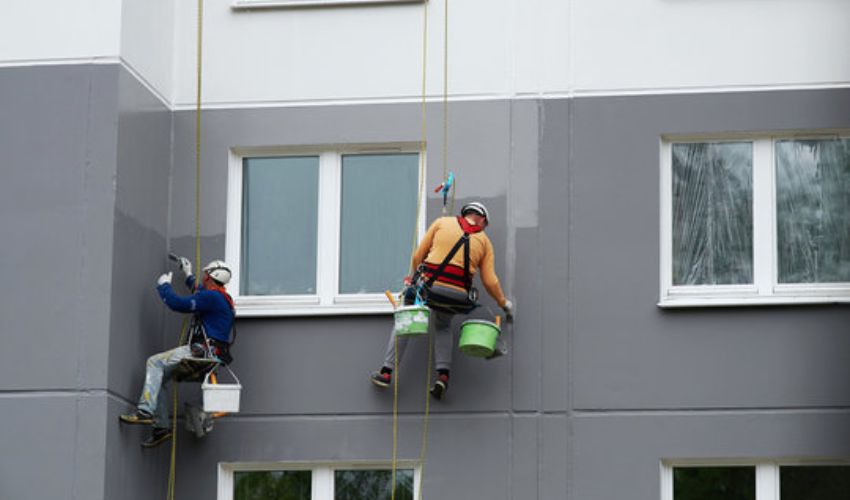
Building painter inspecting peeling coatings, cracked render, damaged plaster, water stains and corroded metal before painting.
Make Surface Preparation and Repairs Measurable
Paint performs best over a clean, stable and compatible surface. A short description such as “prepare as required” does not show how much scraping, sanding, filling, sealing or priming is included.
Ask for visible defects to be identified during inspection. On exterior walls this may include chalking, cracking, peeling edges, exposed render, moisture marks, rust and failed caulk. Interior defects may include dents, plaster cracks, water stains and damaged corners.
Small wall defects may fit within normal preparation, while larger damaged areas need a separate repair allowance. Review wall repair Melbourne for localised damage and plaster repair Melbourne for larger plasterboard or ceiling work.
The quote should state how hidden damage will be documented, priced and approved before extra work proceeds.
Match Coatings to Building Materials and Traffic
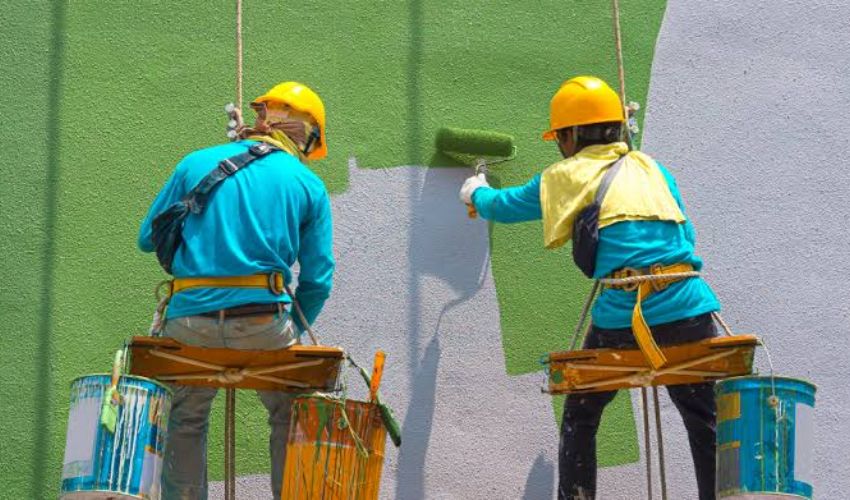
Different building materials need different preparation and coatings. One paint product should not be assumed suitable for rendered walls, timber trims, metal rails, plasterboard and frequently cleaned interior doors.
Ask the building painter to identify primer, finish product, sheen and expected coat count by surface group. Colour changes, porous substrates and repaired areas can alter coverage requirements.
High-touch surfaces may need harder-wearing finishes, while large exterior elevations need weather-resistant products selected for their substrate and exposure.
Joinery and cabinets are a specialist surface rather than ordinary wall painting. Review cabinet painting Melbourne when reception cabinetry, kitchens, vanities or built-ins are included. Boundary areas can be scoped through fence painting services.

Stage the Work to Reduce Disruption
Many buildings remain occupied during repainting. The programme should show which zones will be available, restricted or returned to service each day.
Offices, shops and clinics may need after-hours or weekend work. Apartment buildings may require resident notices, lift protection and controlled access to corridors or stairwells. Warehouses need coordination around deliveries, equipment and production routes.
Discuss odour, ventilation, noise, drying time, furniture movement and daily cleanup. A fast application is not useful when occupants cannot safely use the area or the coating is damaged before it cures.
VicPainter states that commercial projects can be scheduled flexibly to reduce interruption. The commercial painting services page outlines office, retail, warehouse, school, medical, strata and exterior building applications.
Occupied-building staging points
- ✓Divide the project into practical zones with clear start, drying and reopening times.
- ✓Protect lifts, stairs, floors, counters, stock, equipment, signage and shared entries.
- ✓Issue notices to residents, tenants, staff or customers before access changes begin.
- ✓Choose low-odour or fast-return systems only where they suit the surface and performance need.
- ✓Agree on daily cleanup, ventilation, waste removal and secure storage of tools and materials.
- ✓Keep emergency exits and essential services available throughout the work.
-

Building painting quotes compared for included areas, preparation, access, products, scheduling, variations and handover.
Compare Building Painter Quotes Line by Line
A building-painting quote should explain the work, not only provide a total price. Two prices are not comparable when one includes access equipment, repairs and multiple surface systems while the other leaves them undefined.
Compare the same elevations, rooms and surface groups. Review preparation, primer, finish products, coat count, access, protection, working hours, exclusions and the process for approving variations.
Ask whether the quote assumes a vacant building, unrestricted access, one colour, sound surfaces or normal working hours. Unstated assumptions are a common source of project changes.
VicPainter’s painting quote page recommends sending photos, measurements and a clear project description. A site inspection may be needed when access or surface condition cannot be assessed remotely.
Finish With Inspection, Records and a Maintenance Plan
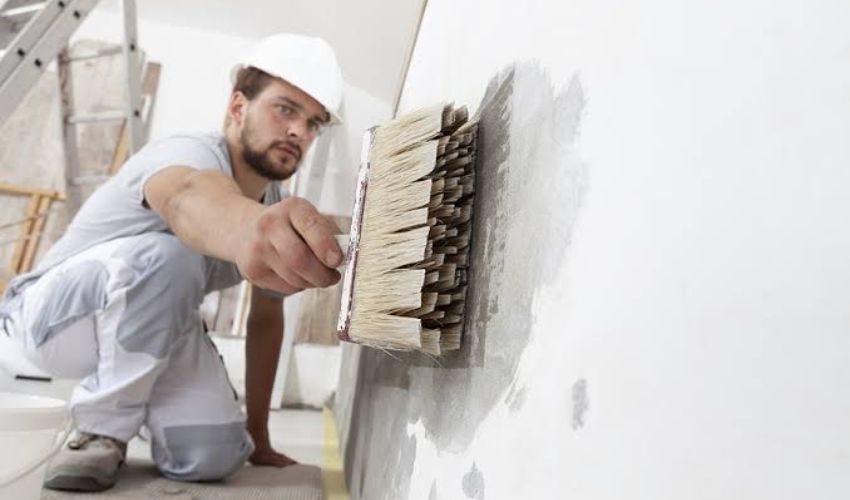
Handover should compare the finished project with the approved scope. Inspect coverage, colour, edges, repairs, fixtures, cleanliness and any areas that require touch-up.
Keep a record of colours, products, sheen levels and where each system was used. This makes future maintenance and localised repairs easier for the owner or facility manager.
Large buildings benefit from a maintenance list that separates routine cleaning, monitored cracks, exposed elevations and high-traffic internal zones. Early attention can prevent small coating failures from becoming larger repair projects.
Review about VicPainter for company background, then contact VicPainter with building photos, drawings, dimensions, repair notes and timing requirements.

Why Consider VicPainter for Building Painting in Melbourne
VicPainter provides residential, commercial and industrial painting across Greater Melbourne and regional Victoria. The official website lists offices, shops, restaurants, warehouses, factories, schools, medical centres, strata buildings and exterior commercial buildings among its commercial painting applications.
The company also provides related surface services, including wall repair, plaster repair, fence painting and cabinet painting, allowing connected work to be discussed under a clearer scope.
The website states that VicPainter offers flexible scheduling for commercial projects, uses organised preparation and provides a five-year workmanship warranty, subject to the project scope and surface conditions.
Start with professional painters in Melbourne for the wider service overview, then send the project details through contact VicPainter.
Information to send for a building-painting enquiry
Provide building type, address or suburb, photos of every elevation and internal zone, drawings or measurements, surface defects, height and access notes, operating hours, required completion date and any colour or coating requirements.
FAQs
What does a building painter do?
A building painter prepares and coats interior and exterior surfaces on residential, strata, commercial, institutional or industrial buildings. The work may include inspection, cleaning, repairs, priming, painting, access planning, protection, staging, cleanup and final inspection.
What types of buildings can VicPainter paint?
VicPainter’s official commercial service information lists offices, shops, restaurants, warehouses, factories, schools, medical centres, strata buildings and exterior commercial buildings, together with residential painting services.
How is building painting different from ordinary house painting?
Building painting often involves larger areas, multiple substrates, elevated access, shared or public spaces, stricter operating schedules and staged completion. It therefore requires more detailed planning for access, safety, protection and communication.
Can a building remain open while painting is completed?
In many cases the work can be divided into zones or scheduled after hours, depending on the building use, ventilation, access and coating system. The quote should state how occupants, customers, stock and essential routes will be protected.
What should a building painting quote include?
It should identify included areas, surface preparation, repairs, access equipment, protection, primer, finish products, coat count, working hours, staging, exclusions, variations, cleanup, final inspection and warranty information.
Can a building painter repair cracks and damaged plaster?
Minor filling may be included in preparation, but larger render cracks, damaged plasterboard, ceilings, water damage or recurring movement may require a separate repair scope. Confirm the included repair level in writing.
How long does building painting take?
Timing depends on building size, number of areas, surface condition, repair work, access, working-hour restrictions, drying time, crew size and exterior weather. A staged programme is more useful than a generic number of days.
Need a building painter in Melbourne?
Send VicPainter building photos, included areas, measurements or drawings, repair notes, access details, operating hours and preferred timing for a clearer project discussion.
