Fence Painter vs. General Painter: Who Should You Hire for Your Project?
When looking at the exterior of your property, the boundary lines often make the biggest first impression. A beautifully maintained fence frames your home, enhances curb appeal, and adds significant value to your property. However, when the time comes to refresh that boundary, homeowners often face a common dilemma: should you hire a general house painter or a dedicated specialist?
Understanding the distinction between a fence painter vs general painter is crucial for the success of your outdoor renovation. While both professionals work with brushes, rollers, and pigments, their areas of expertise, preferred materials, and daily workflows differ significantly. This guide will help you navigate the middle of your decision-making process, ensuring you hire the exact right professional for your specific needs.
Understanding the Core Differences
At first glance, painting seems like a straightforward task. You clean the surface, open a can, and apply the color. However, professional contractors know that different surfaces require entirely different approaches.
The Broad Scope of a General Painter
A general painter is a “jack of all trades” in the coating industry. They are highly skilled at tackling a wide variety of tasks, predominantly indoors. They excel at cutting in around delicate ceiling trim, rolling smooth coats onto drywall, and ensuring your living room looks flawless.
While many general painters do take on exterior work, their primary focus is usually on the main structure of the house—siding, doors, and window frames. Because their expertise is spread across drywall, plaster, and interior trim, they might not spend every day dealing with the harsh realities of raw, weather-beaten outdoor timber.
The Specialized Focus of a Fence Painter
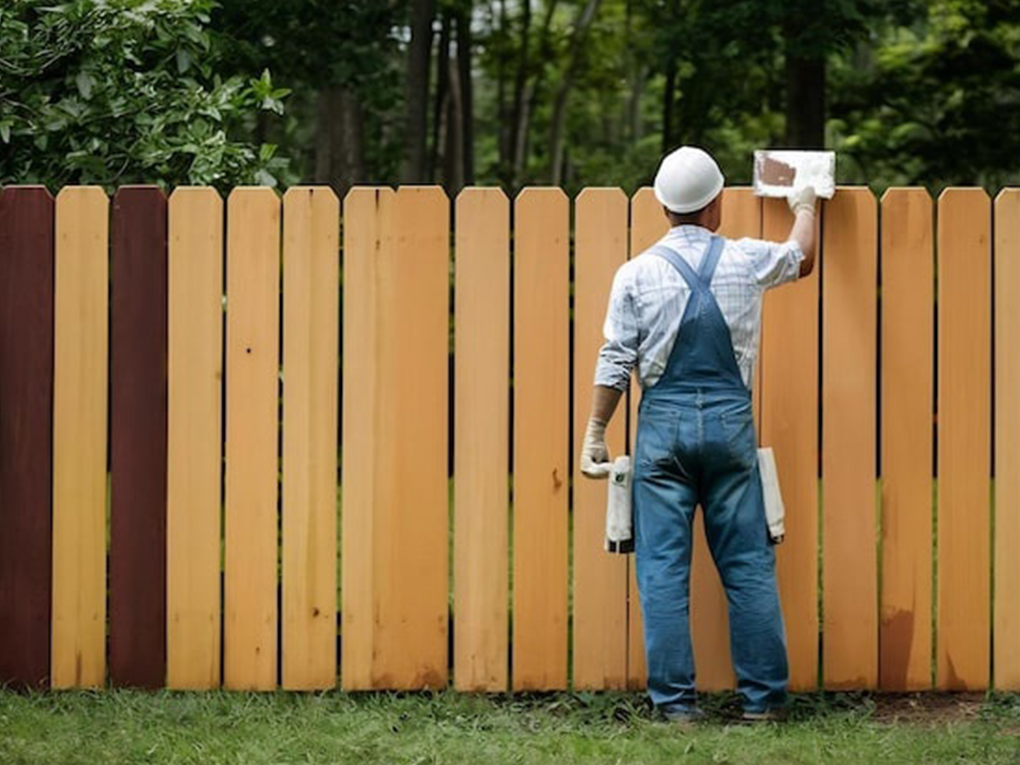
A specialist focuses entirely on boundary structures. When it comes to upgrading your home’s exterior, investing in professional fence painting ensures that your boundary lines are treated with the specific care they require.
Fences face a unique set of challenges that interior walls never encounter: constant UV exposure, driving rain, soil contact, and wood-boring insects. A dedicated specialist understands these environmental factors intimately. Their daily routine involves assessing timber health, dealing with outdoor specific equipment, and applying heavy-duty protective coatings designed to withstand the elements.

Specialized Knowledge and Material Selection
One of the biggest advantages of hiring a specialist lies in their deep understanding of outdoor materials. Fences are not just painted; they are protected.
Navigating Paint Types and Finishes
If you walk into a hardware store, the sheer volume of exterior products can be overwhelming. A generalist might grab a standard exterior acrylic, but a specialist knows the subtle nuances of exterior wood paint vs fence paint, ensuring you get a product that penetrates the timber properly rather than just sitting on the surface.
Furthermore, they understand the chemistry behind the coatings. Depending on your local climate and the specific type of timber you have, they can accurately advise you on water based vs oil based fence paint to guarantee maximum longevity and prevent premature peeling or flaking.
The Importance of Proper Priming
A beautiful topcoat is completely useless if it does not adhere properly to the wood underneath. Fences are notorious for leeching tannins and absorbing moisture. Preparation is key, which is why experts always apply the best primer for wooden fences before the main coat ever touches the wood.
A general painter might occasionally skip this step to save time if they treat the fence like a standard exterior wall, but a true specialist knows that skipping the primer on outdoor timber is a guaranteed recipe for failure.

Surface Preparation and Application Techniques
The actual application process also highlights the gap between these two types of contractors. The environment dictates the method.
Cleaning, Sanding, and Repairs
A general painter arrives equipped with drop cloths, delicate painter’s tape, and fine-grit sandpaper. A fence contractor, on the other hand, arrives with heavy-duty pressure washers, stiff wire brushes, and wood hardeners. Before any color is applied, a fence must be stripped of moss, mildew, dirt, and old flaking stain. Specialists are adept at rapid, aggressive surface preparation that cleans the wood without tearing the fibers.
Spraying vs. Brushing: Efficiency Matters
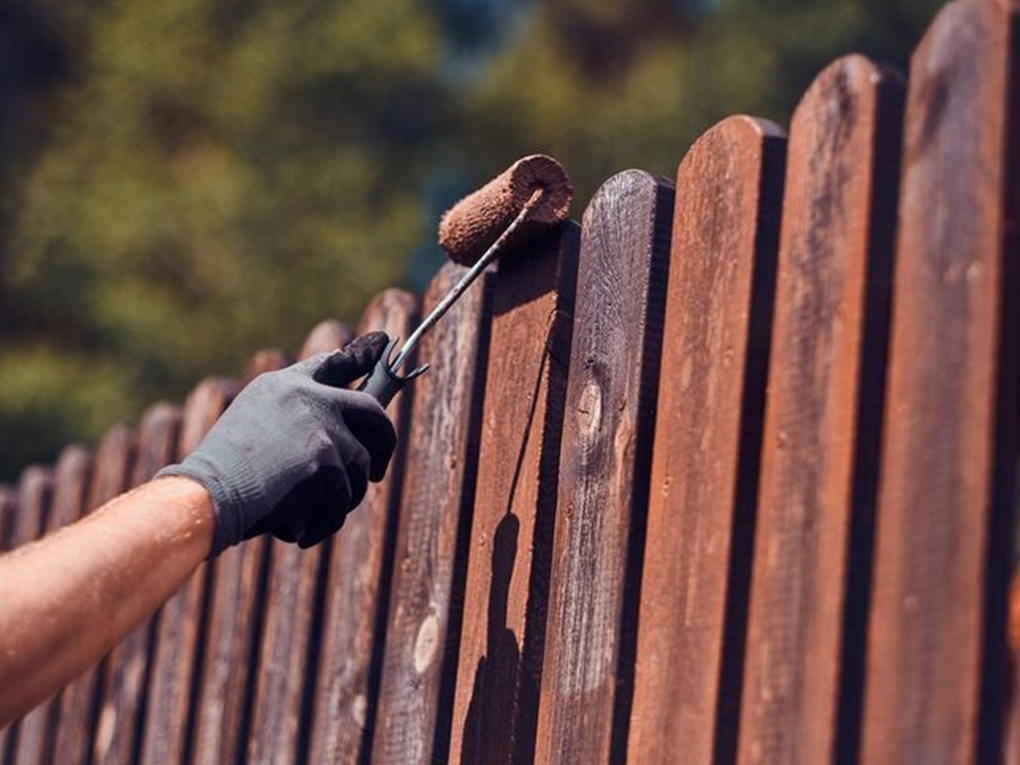
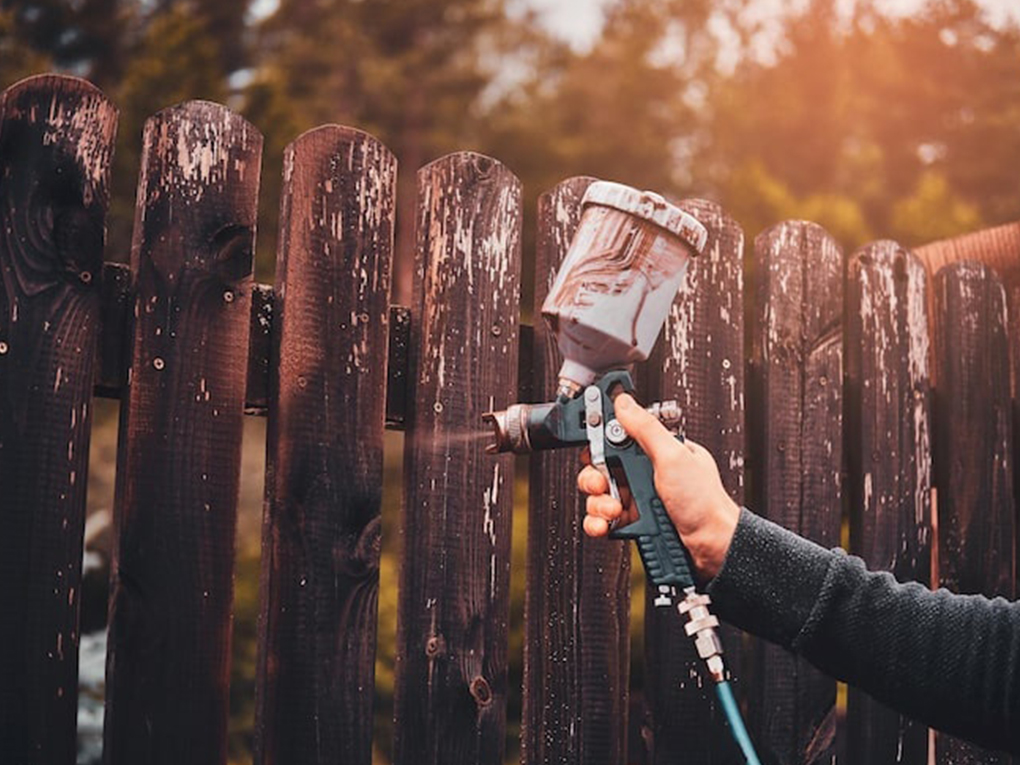
General painters often rely heavily on brushes and rollers. While great for interior walls, rolling a 100-foot paling fence is incredibly tedious and often pushes paint unevenly into the rough grain. Fence specialists almost exclusively use high-volume, low-pressure (HVLP) or airless spray systems.
Spraying forces the product deep into the rough texture of the timber, covering awkward angles, gaps, and overlaps flawlessly. This technique not only produces a superior, uniform finish but also drastically reduces the time spent on the property.

Cost and Time Efficiency Comparison
When evaluating your options, budget and timeline are heavily influenced by who you hire.
Because general painters often use manual application methods for fences, their labor hours can skyrocket. You might end up paying for three days of labor for a job that could have been done much faster. Conversely, a specialized contractor utilizing commercial spray equipment can often prep and finish an entire boundary line in a single day.
While the hourly rate of a specialist might sometimes be slightly higher, the overall project cost is frequently lower due to the massive reduction in labor hours. Additionally, because they buy heavy-duty outdoor coatings in bulk, specialists can often pass material savings directly onto the homeowner.

Making Your Decision: Which Professional Is Right for You?
The choice ultimately comes down to the scope of your project. If you are renovating your entire home—painting the bedrooms, the kitchen, the exterior siding, and the fence—a general painter is likely the most convenient choice. They can wrap the boundary lines into the overall contract.
However, if your primary goal is to restore, protect, and color your boundary timber, hiring a specialist is the smartest move. They bring the right equipment, the right materials, and the right workflow to get the job done quickly and durably.
If you have decided to go with a specialist, you might be wondering how to find a fence painter who is reliable, insured, and experienced in your local area. Always look for contractors with specific portfolios of outdoor timber work and read their client reviews carefully.
Frequently Asked Questions (FAQs)
Is it cheaper to hire a fence painter or a general painter?
It is often more cost-effective to hire a specialist for standalone fence projects. Because they use specialized spray equipment, they complete the job in a fraction of the time, which significantly reduces the labor costs compared to a generalist who might use brushes and rollers.
Can a general painter handle outdoor timber?
Yes, most general painters are capable of painting outdoor timber. However, they may not have the same level of specialized knowledge regarding tannin bleed, wood rot, or the optimal heavy-duty weatherproofing products that a dedicated specialist possesses.
Do professionals supply the paint, or do I need to buy it?
Most professional contractors supply their own materials. They get trade discounts on premium products and know exactly which brands perform best in specific weather conditions. It is highly recommended to let the professional handle the material sourcing.
How often should a wooden fence be painted or stained?
Depending on the climate, the quality of the previous job, and whether you used paint or stain, wooden fences typically need to be recoated every 3 to 5 years to maintain their protective barrier against moisture and UV damage.
Does spray painting a fence last as long as brushing?
When done correctly by a professional, spray painting lasts just as long, if not longer. Spraying forces the coating evenly into the rough grain of the wood, providing a solid, uniform layer of protection that brushing sometimes misses.
Choosing between a fence painter vs general painter does not have to be a complicated process. By understanding their distinct skill sets, application methods, and material knowledge, you can confidently select the right contractor for your home.
Your boundary lines endure the harshest weather conditions year-round; they deserve to be treated with specialized care, premium products, and expert application.
Do not let a weathering, fading boundary drag down your home’s curb appeal. Take the next step toward a beautiful exterior today by reaching out to a local specialist, requesting a detailed quote, and giving your property the flawless finish it deserves!