



Wall Plaster Hole Repair in Melbourne
A plasterboard hole needs a repair method that matches its size. A small screw hole can usually be filled and sanded. A larger opening needs a supported plasterboard patch, joint treatment and enough finishing area to blend the repair back into the wall.
VicPainter repairs plaster holes in Melbourne homes, apartments and commercial interiors. We can take the job from the damaged wall through to a paint-ready surface, with painting included where required.
Plaster Hole Repair Guide
- Check the hole before choosing a repair method
- Tools and materials used for plasterboard repairs
- How small plaster holes are repaired
- How medium plaster holes are repaired
- How large plasterboard holes are repaired
- Large-hole repair process step by step
- Sanding, priming and painting the repair
- DIY or professional plaster repair?
- Plaster hole repair FAQs
Check the Hole Before Choosing a Repair Method
The visible opening is only part of the job. Before repairing it, check the size of the damaged area, whether the plasterboard edges are still firm and what is behind the wall. Holes left by screws or small impacts are very different from openings created during plumbing, electrical or renovation work.
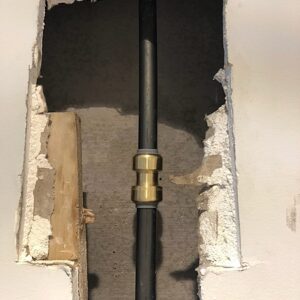
For larger openings, it is also important to check for cables or pipes before cutting the wall. The damaged plasterboard should be taken back to sound material so the new patch has a stable edge and suitable support.
Tools & Materials for Plaster Hole Repair
The materials change with the size of the hole. Small repairs may only need filler, a putty knife and sanding materials. A large plasterboard opening usually needs a new piece of plasterboard, timber backing, plasterboard screws, joint tape, base or setting compound, finishing compound, sandpaper, primer and paint.
Bunnings follows the same practical distinction in its large-hole guide, listing plasterboard, a plasterboard saw, timber batten, base coat, trowel, sandpaper, primer and topcoat among the required items. The important point is not owning every tool; it is using the right support and finishing system for the size of the repair.
How We Repair a Small Plaster Hole
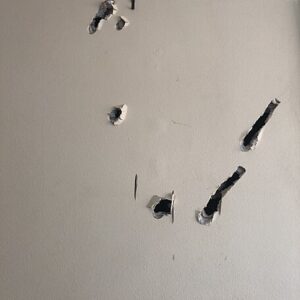
Small holes from screws, nails and light impacts generally do not need a replacement plasterboard section. Loose material and dust are removed first, then the hole is filled with a suitable compound.
Once the filler has dried, the repair is sanded level with the surrounding wall. Primer is applied where required before the finish coat. The last step matters because an unprimed patch can absorb paint differently and leave a visible dull or uneven spot.
How We Repair a Medium Plaster Hole
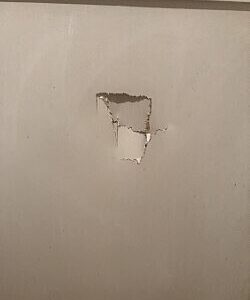
A medium hole needs more support than a simple filler repair. The weak or broken edges are cleaned back and the repair area is prepared so the patch has something firm to hold onto. Depending on the opening, this may involve a mesh repair system or backing installed behind the plasterboard.
Joint compound is then applied in controlled coats, with enough width around the repair to create a gradual transition into the existing wall. After drying and sanding, the surface can be primed and painted.
How We Repair a Large Hole in Plasterboard
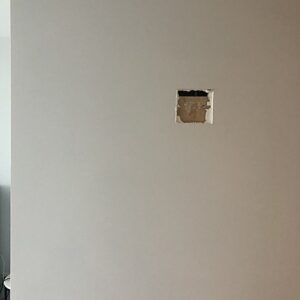
Large plasterboard holes are better treated as a small sheet replacement rather than a deep filler job. The damaged opening is made into a clean, workable shape, backing is installed behind the existing board, and a new plasterboard piece is fixed into place.
The joints around the patch are then taped and coated. Each coat extends farther beyond the joint so the finished repair does not leave a raised square around the new plasterboard. Once the compounds are dry, the repair is sanded, primed and painted.
Safety before cutting: do not assume the wall cavity is empty. Bunnings specifically advises checking for cables and pipes before cutting plasterboard. If you are unsure what is behind the wall, stop before opening the area further.
Large Plasterboard Hole Repair: Step by Step
The current Bunnings guide is useful because it breaks a large plasterboard repair into a clear physical sequence: make the patch, cut the wall to suit it, install timber support, fix the new plasterboard, tape the joins, apply the coating layers, then sand, prime and paint. Our professional repair follows the same construction logic, with the exact materials and number of coats adjusted to the wall and the damage.
1. Measure the Damage and Prepare a Patch
A replacement piece of plasterboard is cut slightly larger than the damaged opening. Using the new piece as the reference makes it easier to create a clean repair area rather than trying to match an irregular broken edge.
2. Mark and Cut Back to Sound Plasterboard
The patch shape is marked on the wall and the damaged section is carefully cut back. Before cutting, the cavity should be checked for electrical cables, pipes or anything else that could be damaged.
3. Add Backing Behind the Opening
Timber backing or another suitable support is fitted behind the existing plasterboard and secured so it overlaps the opening. This gives the replacement piece a firm fixing point.
4. Fix the New Plasterboard Patch
The patch is fitted into the opening and screwed to the backing. The screw heads should sit slightly below the face of the plasterboard without tearing through the paper surface.
5. Tape the Joints
Joint tape is applied around the patch so the seam between old and new plasterboard can be finished as one surface. The repair area is kept clean so the following compound coats bond consistently.
6. Apply Base and Finishing Coats
Joint or setting compound is spread across the taped seams in successive coats. High spots are removed between stages and each coat is feathered wider than the last. This is what helps the square patch disappear visually instead of leaving a raised edge.
7. Sand the Repair Flat
After the final coat has dried, the repaired area is sanded until it feels level and the edges merge gradually into the surrounding wall. Dust is removed before any primer or paint is applied.
Prime & Paint the Repaired Wall
Fresh joint compound and existing painted plasterboard absorb paint differently. Priming the repaired section helps even out the surface before the topcoat is applied.
Matching the paint colour is only part of the finish. Sheen and the age of the existing coating can also affect how visible a touch-up looks. On an older wall, repainting a larger section or the whole wall can give a more consistent result than painting only the patch.
DIY or Professional Plaster Hole Repair?
Small nail and screw holes can be reasonable DIY repairs. A large plasterboard opening is more involved because the patch needs backing, accurate cutting, secure fixing and several finishing stages before the wall is ready for paint.
For broader wall damage, see wall repair Melbourne. If the problem includes cracks, damaged plaster or several repair areas, the plaster repair Melbourne service gives more context on the wider repair scope.
- DIY may suit: small, stable holes where the surrounding plasterboard is sound.
- Professional repair is more practical: large openings, multiple holes, damaged edges or repairs where the paint finish needs to blend cleanly.
- Investigate before patching: damp plaster, recurring cracking, soft wall areas or damage related to an unresolved leak.
Why Use VicPainter for a Plaster Hole Repair?
The original version of this page relied heavily on phrases such as “flawless”, “seamless”, “premium-grade” and “long-term durability”. This rewrite replaces those claims with the actual work that matters: checking the damaged area, supporting larger patches, building the joint coats gradually, sanding the repair flat and preparing it for paint.
- Repair method based on hole size: small filler repairs are not treated the same way as large plasterboard openings.
- Support for larger patches: backing is used where the replacement plasterboard needs a solid fixing point.
- Repair through to paint preparation: setting, sanding and priming are considered part of the finished surface rather than an afterthought.
- Related painting work available: VicPainter also provides house painting in Melbourne when the repair is part of a larger repaint.
Other existing VicPainter services remain available for clients planning wider work, including kitchen cabinet painting and fence painting.
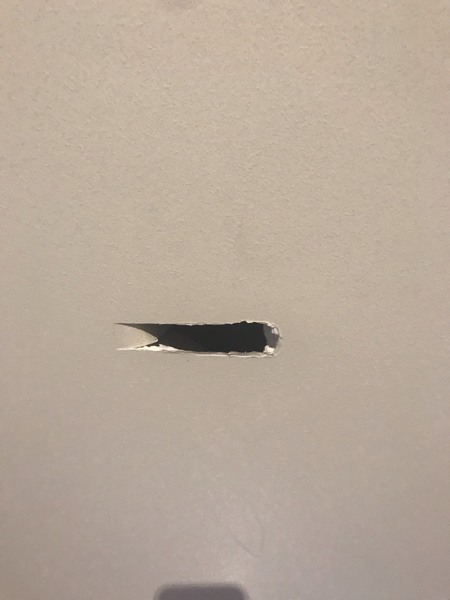
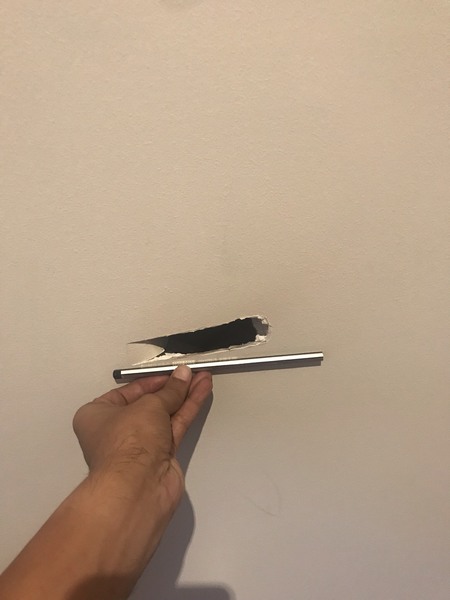
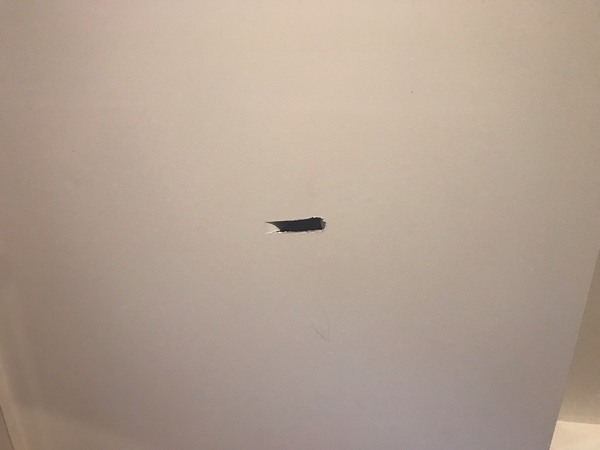
Example of a Small Wall Plaster Hole
The existing page includes an example request for a small hole of around 5 in × 2 in. A repair of that size is normally assessed differently from the large plasterboard process above because the surrounding wall may not need to be cut out and rebuilt.

Wall Plaster Hole Repair FAQs
Can a plasterboard hole be repaired without replacing the whole wall?
Yes. Most localised holes can be repaired by filling the damaged area or replacing only the affected plasterboard section. The surrounding wall needs to be sound enough to support the repair.
What is used behind a large plasterboard patch?
A timber batten or other suitable backing can be fixed behind the opening to support the replacement plasterboard. The exact support depends on the position and size of the hole.
Do you need joint tape around a plasterboard patch?
For a replacement plasterboard section, joint tape is commonly used across the seams before the compound coats are applied. It helps the old and new sections finish as one surface.
Should repaired plaster be primed before painting?
Primer is normally used on the repaired area before the finish paint so the fresh compound does not absorb the topcoat differently from the surrounding painted wall.
Can a repaired patch be completely invisible?
A well-finished patch can blend very closely with the wall, but the final appearance also depends on lighting, wall flatness, paint sheen and how old the surrounding paint is. Sometimes repainting the full wall gives a more even result than a small touch-up.
How do I request a plaster hole repair quote?
Send a close photo, a wider photo of the wall, approximate measurements and your Melbourne suburb through the VicPainter contact page. Photos help show whether the opening needs filler, backing or a replacement plasterboard section.
Need a Wall Plaster Hole Repaired?
Send clear photos of the hole, approximate dimensions and your Melbourne suburb. VicPainter can review the damaged area and confirm the next step.