
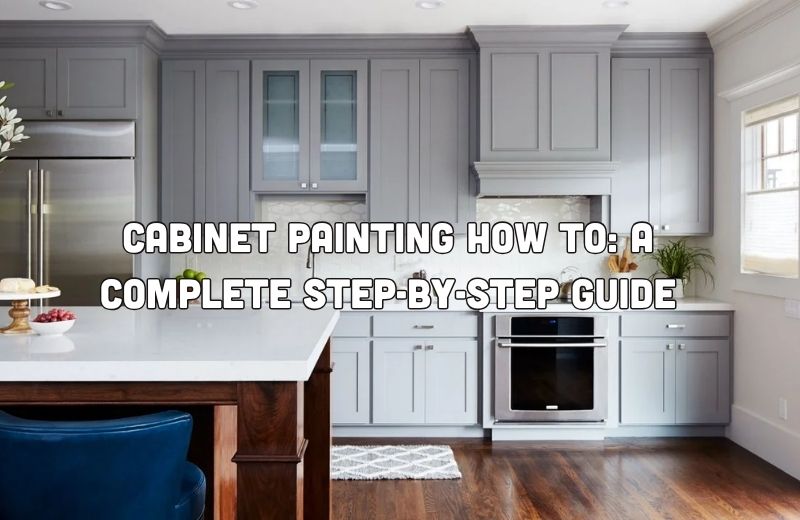
How to Paint Kitchen Cabinets: A Practical DIY Guide
Cabinet Painting Melbourne for Kitchens, Vanities & Joinery
If your cabinet boxes and doors are still in good condition, painting can update the room without replacing the whole kitchen. The finish depends less on bold promises and more on cleaning, surface preparation, the right primer and a cabinet-grade coating that suits the existing material.
VicPainter paints kitchen cabinets, bathroom vanities, laundry cupboards, wardrobes and selected commercial joinery across Melbourne. We assess the existing finish first, then plan the preparation and application method around the cabinet surface and the result you want.
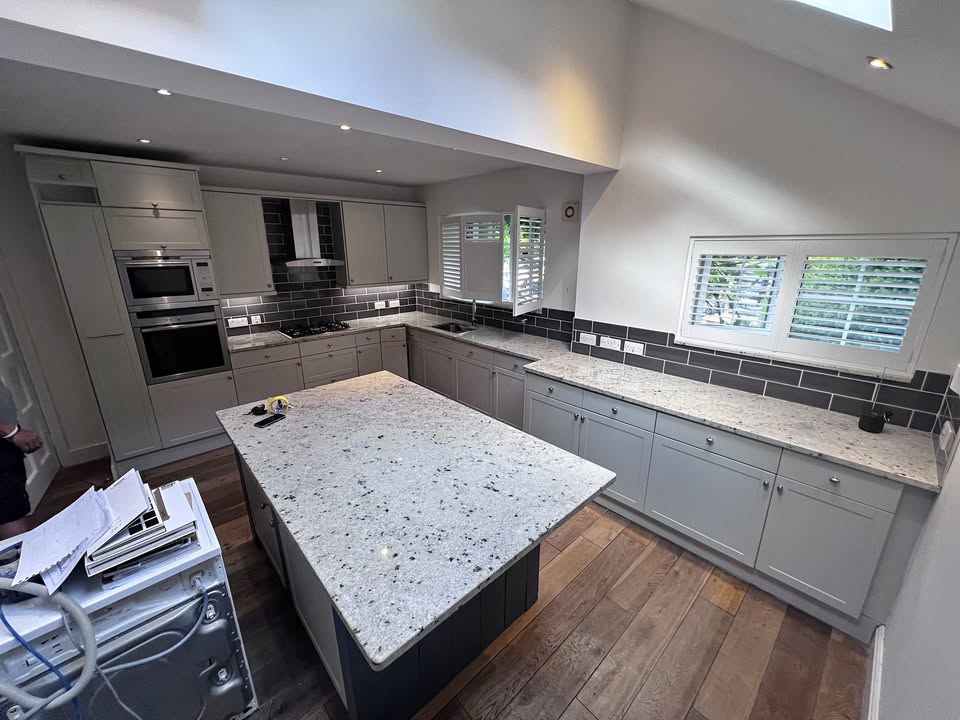
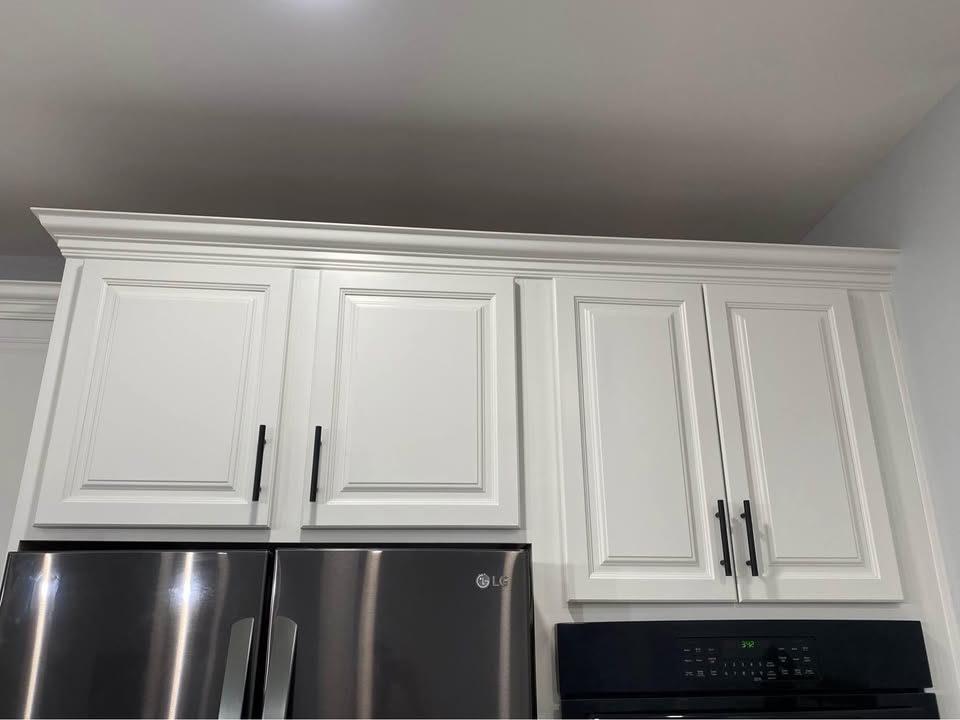
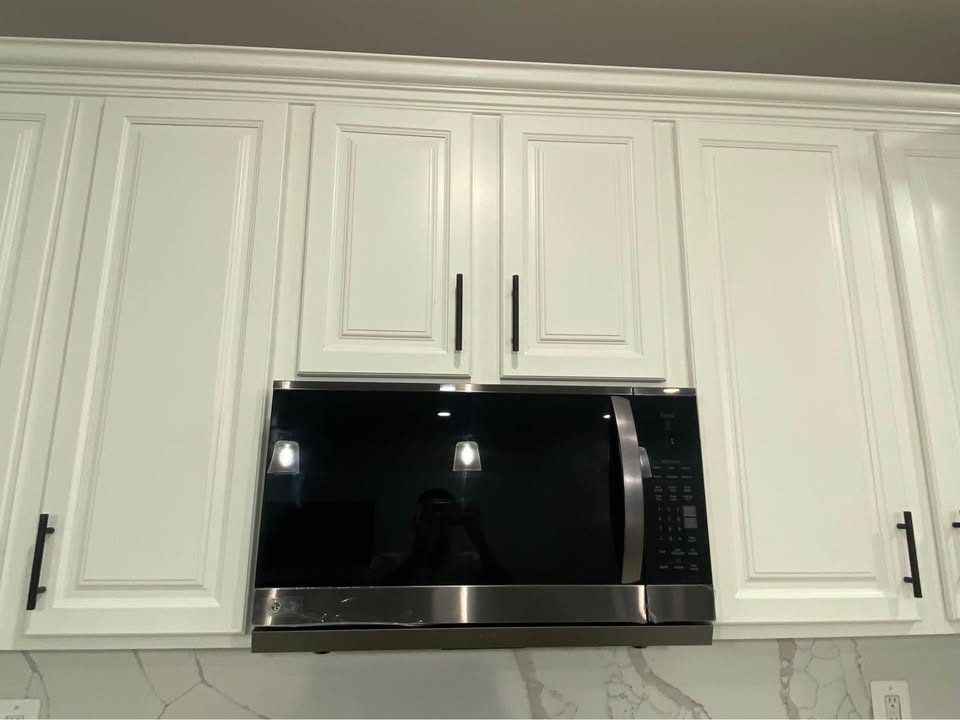
Cabinet Painting Guide
- Is cabinet painting right for your kitchen?
- Our cabinet painting process
- Cleaning, sanding and surface preparation
- Primer, cabinet coatings and application
- Cabinet materials and condition
- Cabinet painting cost factors
- Colour and finish choices
- Why use VicPainter?
- Cabinet painting FAQs
- Recent cabinet painting projects
Is Cabinet Painting Right for Your Kitchen?
Cabinet painting works best when the existing boxes, doors and drawers are still structurally sound and the layout already works for you. If the main problem is an outdated colour, worn finish or surface marks, repainting can give the room a very different look without changing the cabinetry itself.
Painting is less suitable when doors are badly swollen, the substrate is failing, laminate is lifting, or the cabinet layout no longer meets your needs. In those situations, repair, door replacement, refacing or a larger renovation may make more sense than simply applying a new finish.
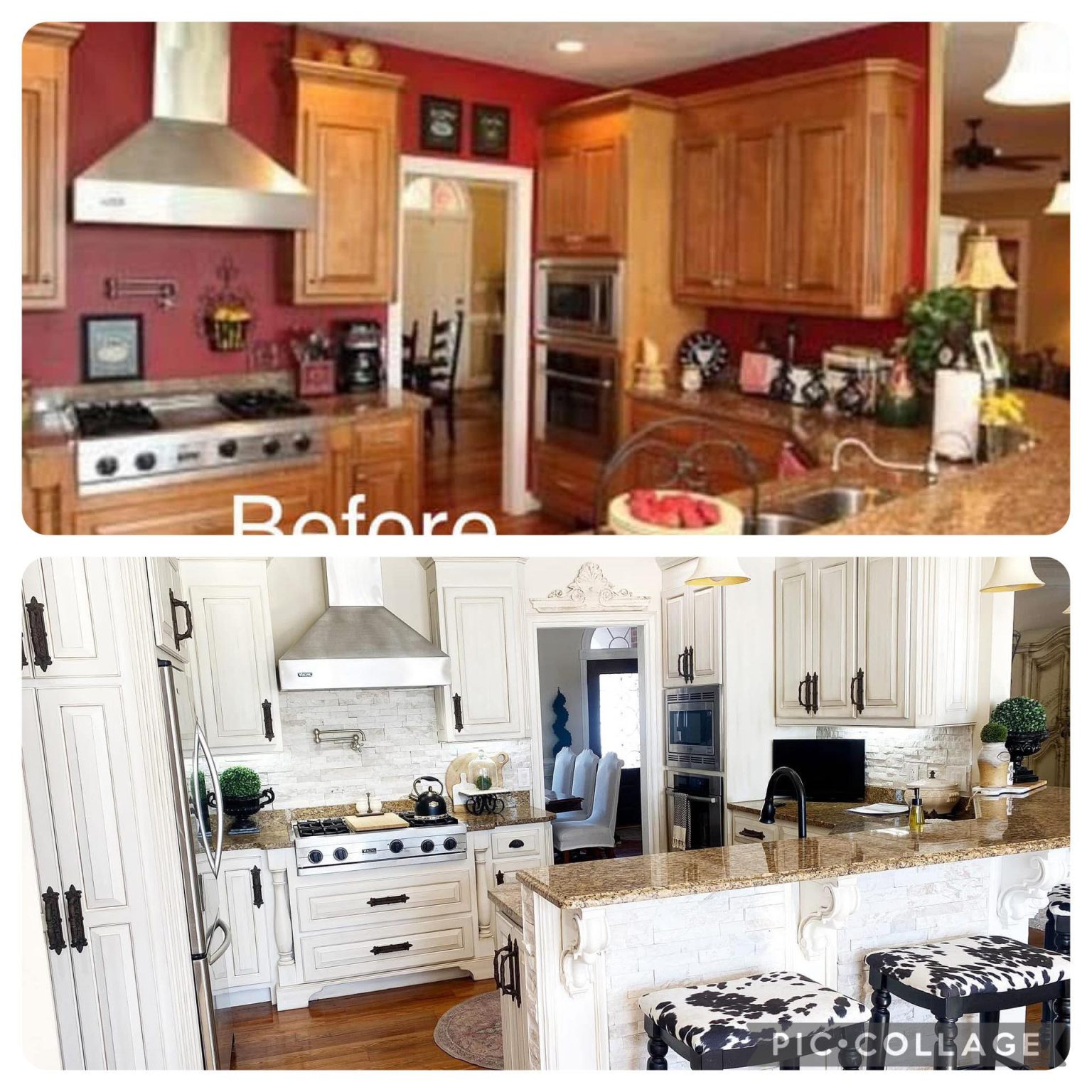
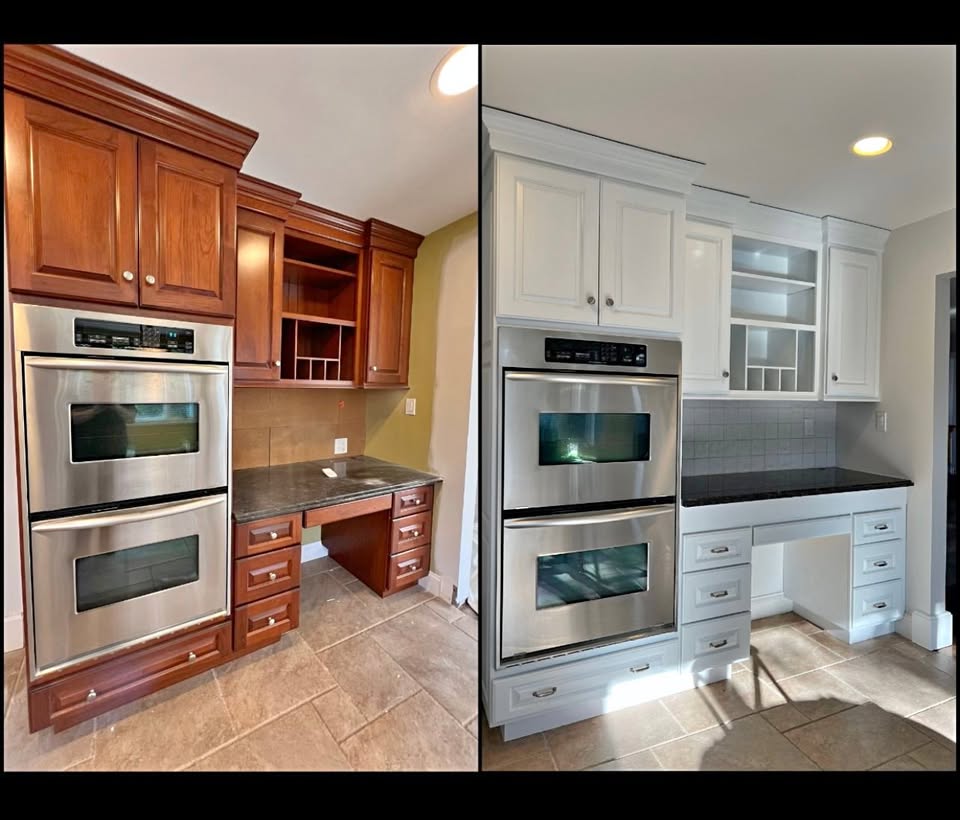
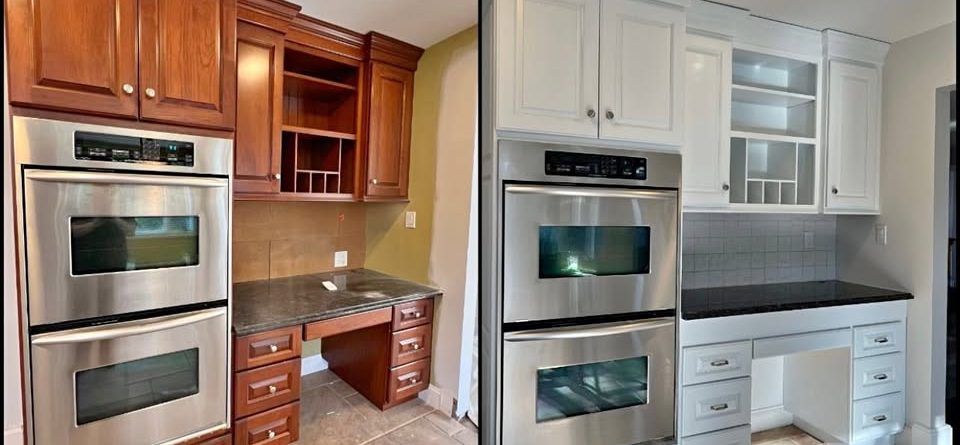
For visual ideas before choosing a direction, the existing before and after kitchen cabinet painting page shows several colour and style transformations.
Our Cabinet Painting Process
The strongest part of the N-Hance service page is its practical sequence: prepare the workspace, remove and label doors and drawer fronts, clean away grease and grime, sand and repair, prime, apply cabinet coatings, allow proper curing, then reinstall and check alignment. We use that same clear project logic while tailoring the products and application method to each VicPainter job.
1. Photos, Measurements & Quote
Start by sending clear photos of the cabinets and approximate measurements. We look at the number of doors and drawers, cabinet condition, material, colour change and access. If photos are not enough to define the scope, a site visit can be arranged. The existing painting quote page remains the quickest way to send project details.
2. Protect the Kitchen & Organise Components
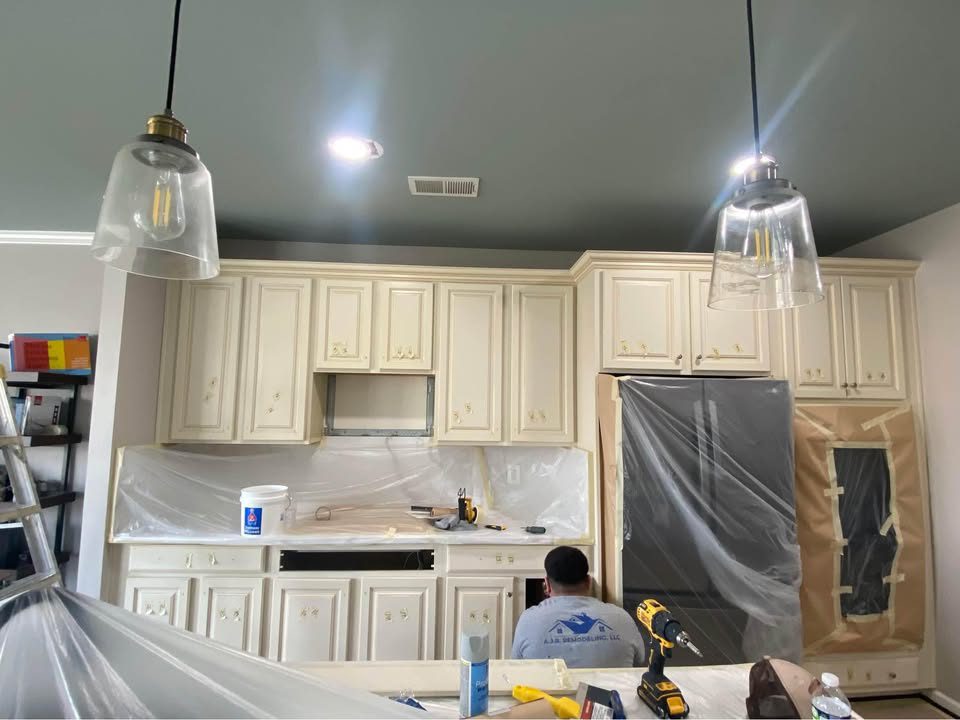
Benchtops, floors, appliances and nearby surfaces are protected before preparation begins. Doors, drawer fronts and removable hardware are organised so each component can be returned to its correct position after painting.
3. Clean the Cabinet Surfaces
Kitchen cabinetry collects grease, fingerprints, cooking residue and cleaning-product buildup. These contaminants need to be removed before sanding or priming because paint adhesion depends on the condition of the surface underneath.
4. Sand, Repair & Prepare
Surfaces are prepared according to the existing material and coating. Minor chips or imperfections can be repaired where appropriate, edges are smoothed and dust is removed before primer is applied. Cabinet preparation needs more control than ordinary wall painting because doors and drawer fronts are viewed at close range and handled every day.
5. Prime for the Existing Surface
Primer is selected to suit the substrate and coating system. Its job is to support adhesion and, where relevant, help isolate stains or colour bleed. We do not assume that timber, MDF, laminate and previously painted doors all need the same primer.
6. Apply the Cabinet Coating
Depending on the project, coatings may be sprayed or applied with controlled brush-and-roll techniques. Spray application can produce a very even finish on suitable doors and panels, while brushes and rollers can be practical for fixed sections, profiles or smaller areas. The selected product instructions determine the required coats and recoat times.
7. Cure, Reassemble & Final Check
Cabinet coatings need enough time to dry and cure before normal use. Once the painted components are ready, doors and drawers are reinstalled, alignment is checked and the work area is cleaned. Care instructions should follow the actual coating system used on the job rather than a generic timeline.
Why Cabinet Preparation Matters
The current VicPainter page repeats terms such as “flawless”, “premium” and “long-lasting” many times. Those words do not explain why a finish performs well. Cleaning, compatibility, sanding, repair work, primer choice and curing are the useful details for a homeowner deciding whether to paint existing cabinetry.
- Degreasing: remove cooking residue, oils and cleaning-product buildup before any coating stage.
- Surface assessment: identify timber, MDF, laminate, veneer or an existing painted finish before selecting a system.
- Sanding: create the preparation level required by the selected primer and coating rather than sanding every surface the same way.
- Minor repairs: chips, dents and small defects are handled before the finish coats so they are not highlighted by fresh paint.
- Dust control: remove sanding residue before primer and between relevant coating stages.
If cabinet work forms part of a larger renovation with damaged walls, the existing plaster repair Melbourne, plaster hole repair and wall repair Melbourne pages remain available for those separate repair scopes.
Primer, Cabinet Coatings & Application
Cabinet paint has to cope with frequent handling, cleaning, food preparation and everyday wear. For that reason, the coating system should be selected for cabinetry and for the existing substrate rather than simply using standard wall paint because the colour is available.
N-Hance makes the same distinction on its service page by separating deep cleaning, primer and cabinet-specific topcoats. Its proprietary products are unique to N-Hance, so they are not copied here; the useful lesson is the process itself: prepare the substrate properly and use products designed to work together.
Cabinet Materials & Condition
Not every cabinet surface behaves the same way. Painted timber, raw or sealed timber, MDF, veneer and laminate can all need different preparation and compatibility checks. Before work begins, the existing finish should be assessed rather than assuming one process suits every door.
- Timber cabinetry: grain, old coatings, stains and exposed areas can influence sanding and primer selection.
- MDF doors: edges and damaged areas need careful preparation because they can absorb coatings differently from the face.
- Laminate or melamine: adhesion and product compatibility should be confirmed before proceeding.
- Previously painted cabinets: loose or failing coating must be dealt with rather than buried under another layer.
- Water-damaged or swollen doors: painting may not solve substrate failure; repair or replacement may be more appropriate.
Cabinet Painting Cost in Melbourne
There is no single cabinet-painting price that fits every kitchen. The current VicPainter page correctly identifies several factors that change the scope: cabinet count, existing condition, repairs, coating system, colour change and design complexity. This rewrite keeps those useful factors while removing repeated sales language.
For a useful quote: send one wide photo of the kitchen, close photos of the doors and any damaged areas, the approximate number of doors and drawers, and the colour direction you are considering. The existing online painting quote link is retained for this purpose.
Choosing a Cabinet Colour & Finish
Cabinet colour should be considered with the benchtop, splashback, flooring, wall colour, appliances and natural light. White and off-white can make a darker kitchen feel lighter, while greige, sage, charcoal or deeper colours can create more contrast when the surrounding finishes support them.
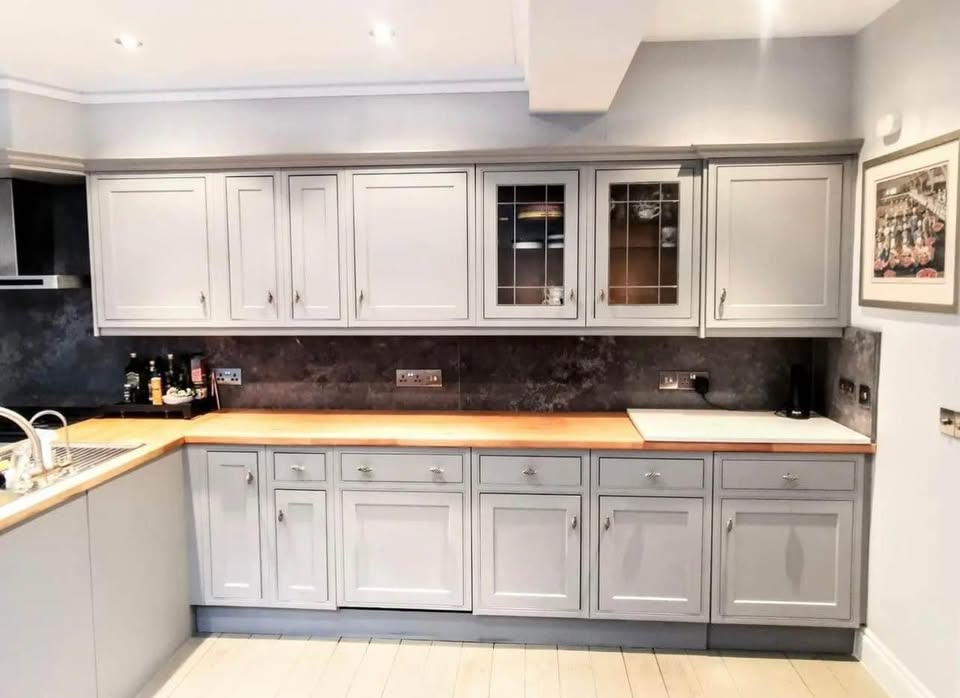
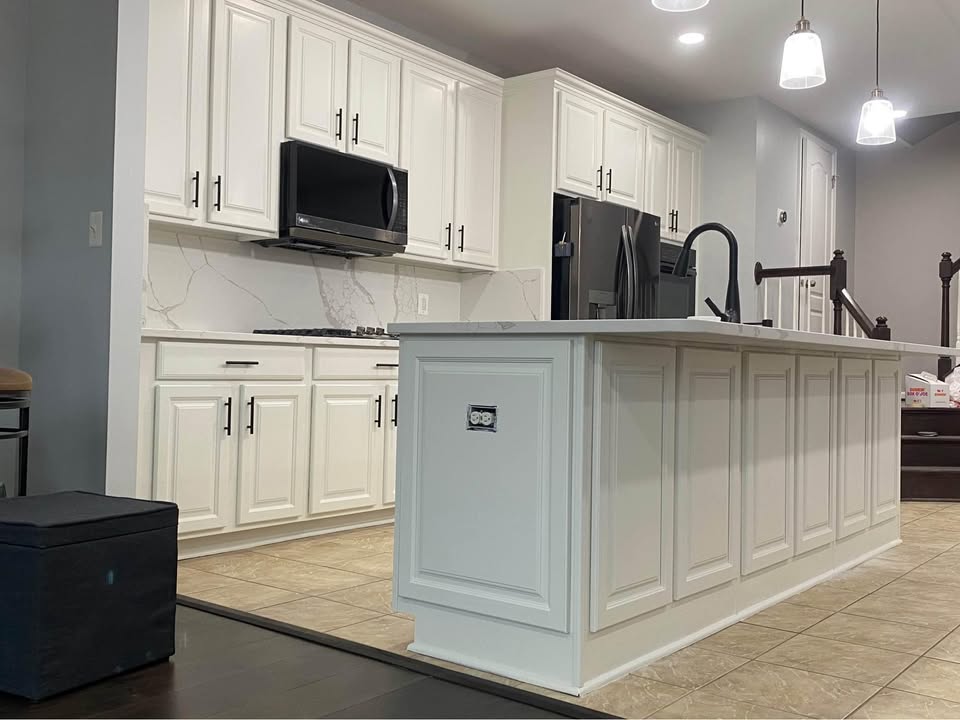
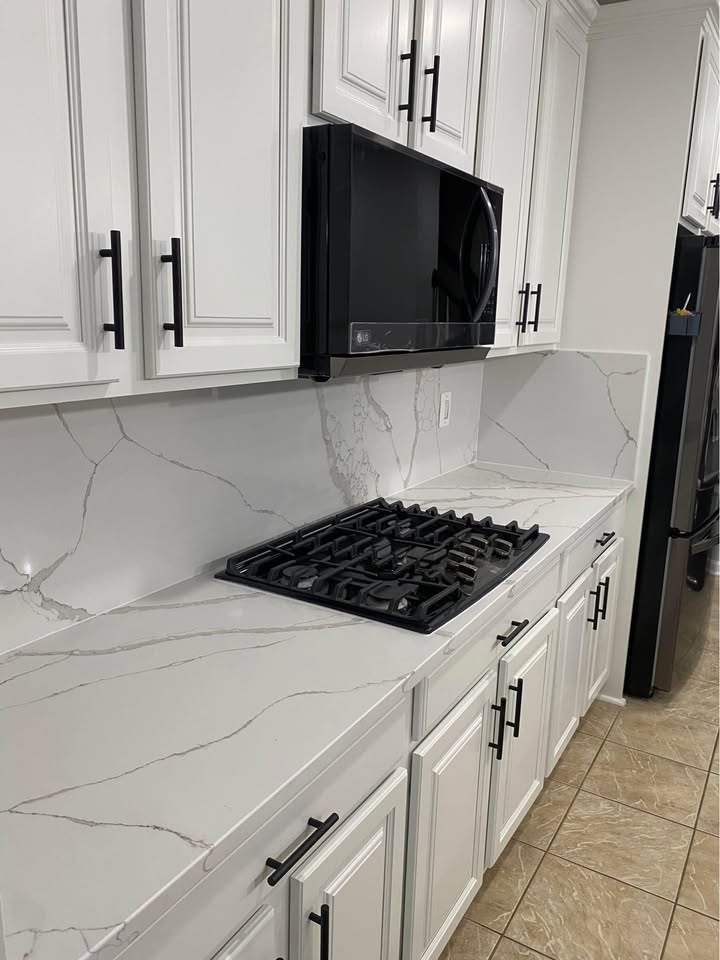
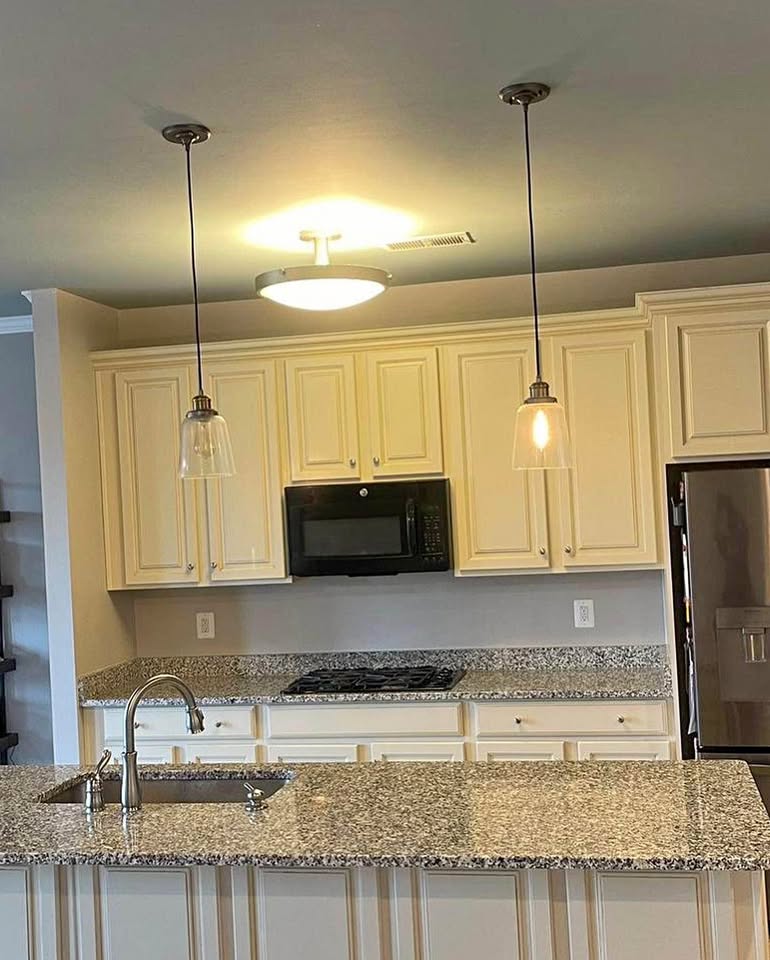
The existing before and after cabinet painting ideas page is useful for comparing transformations. Use those images as inspiration rather than assuming the same shade will look identical in a different kitchen.
Before Choosing a Colour
- Look at samples in the actual kitchen during morning and evening light.
- Compare the colour with the benchtop and splashback, not just the wall paint.
- Consider how much of the room the cabinetry occupies; a dark colour across a large kitchen has more visual weight than the same colour on an island.
- Confirm the sheen available in the chosen cabinet coating system.
Why Use VicPainter for Cabinet Painting?
Cabinet painting is detailed work because the surfaces are close to eye level, handled frequently and expected to clean easily. The useful difference is in how the job is prepared and organised, not in stacking superlatives into the service description.
- Condition assessed first: the existing coating and substrate are considered before the paint system is selected.
- Cabinet-specific preparation: cleaning, sanding and repairs are planned around high-touch joinery rather than ordinary wall surfaces.
- Organised doors and hardware: removable components are labelled and managed for accurate reassembly.
- Application matched to the project: spray, brush and roller methods are chosen around the cabinet profile, fixed sections and selected coating.
- Clear scope and quote: photos and measurements are used to define what is included before work begins.
Clients coordinating cabinet painting with other painting work can also review VicPainter’s Melbourne painting services. The existing painters Essendon internal link from this page is retained here rather than inserted into an unrelated process paragraph.
For outdoor work, the existing fence painting page remains linked as a separate service rather than being used to compare cabinet finishing with an unrelated exterior coating job.
Cabinet Painting Melbourne FAQs
Is it worth painting kitchen cabinets instead of replacing them?
Painting can be practical when the cabinet boxes and doors are sound, you like the layout and the main problem is the colour or surface finish. Replacement makes more sense when the cabinetry is structurally failing or you need a different layout, storage system or door design.
Do cabinet doors need to be removed for painting?
Removable doors and drawer fronts are commonly taken off and labelled so the surfaces can be prepared and coated more consistently. Fixed cabinet frames and panels are prepared and painted in place with the surrounding area protected.
Do kitchen cabinets need to be degreased before painting?
Yes. Kitchen surfaces can carry cooking oils, fingerprints and cleaning residue that interfere with adhesion. Cleaning is a separate preparation stage and should be completed before sanding and priming.
Can laminate or melamine cabinets be painted?
Some laminate or melamine surfaces can be coated when the surface is sound and the preparation, primer and topcoat are compatible. The material and existing condition should be checked before committing to a paint system.
How long does cabinet painting take?
Time depends on cabinet count, preparation, repairs, coating method and product drying or curing requirements. The current VicPainter page promotes a fast turnaround, but the actual schedule should follow the selected coating system and project scope rather than a fixed promise for every kitchen.
Can I use my cabinets immediately after painting?
A coating can be dry to the touch before it is fully cured. Follow the care and cure instructions for the actual cabinet product used, and avoid hard cleaning or heavy handling before the finish has developed the required resistance.
Does VicPainter offer a cabinet painting warranty?
The current VicPainter cabinet page advertises a five-year warranty. The applicable coverage, exclusions and conditions should be confirmed in the written quotation for the specific project rather than treated as an unconditional guarantee for every substrate and situation.
VicPainter Recent Cabinet Painting Projects
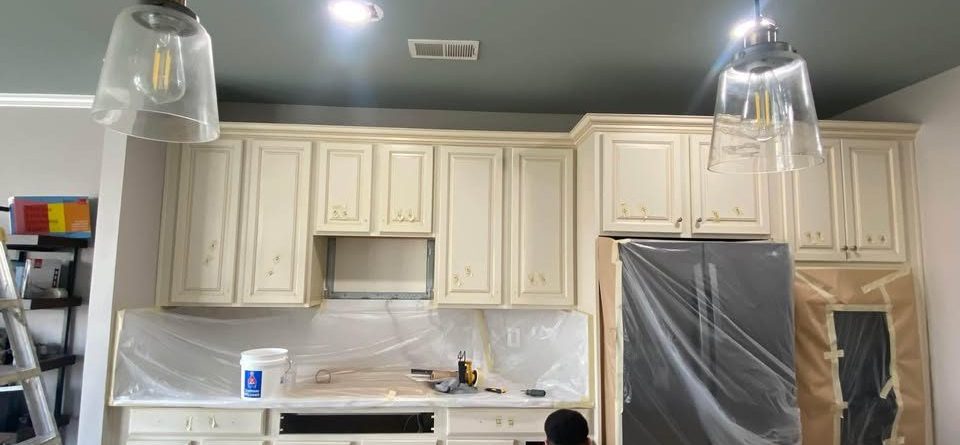
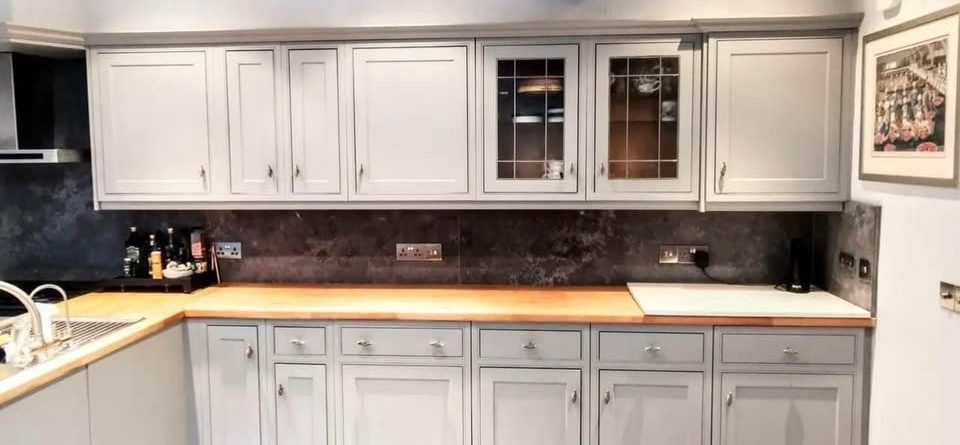
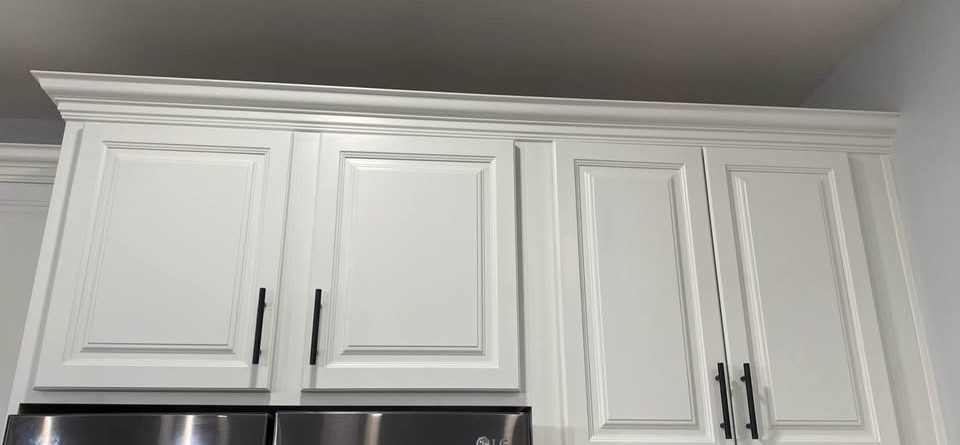
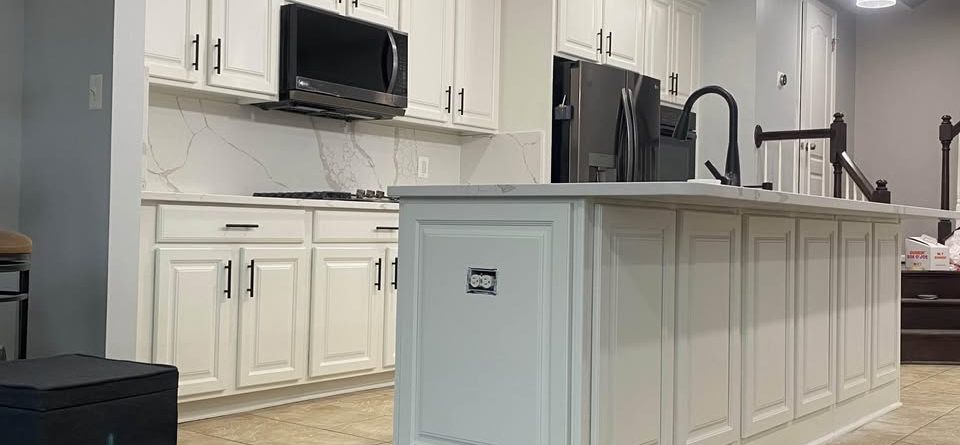
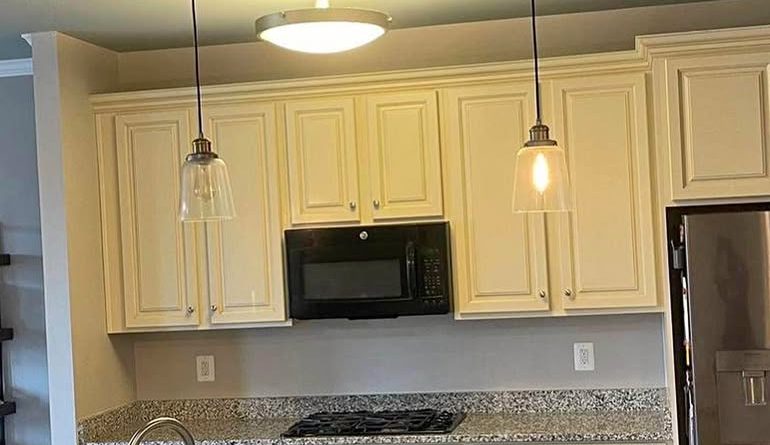
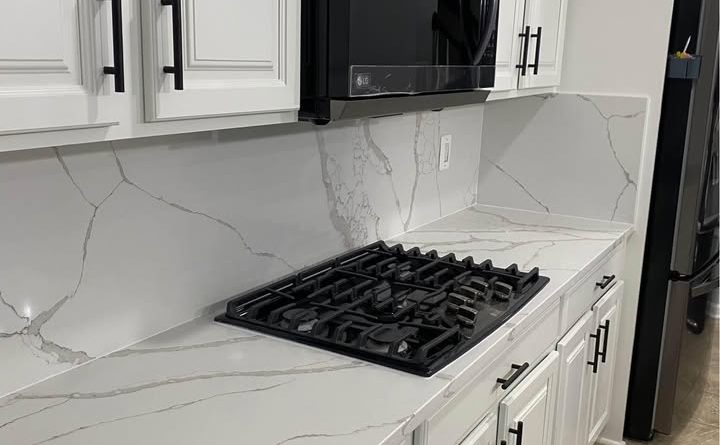
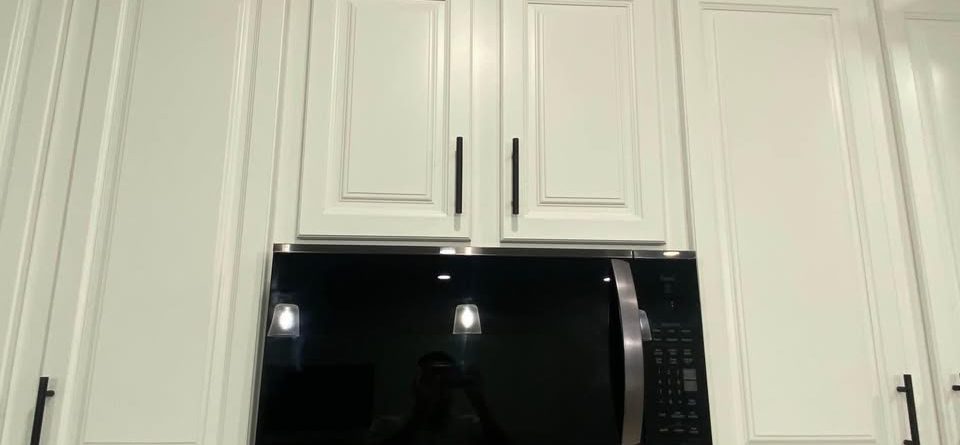
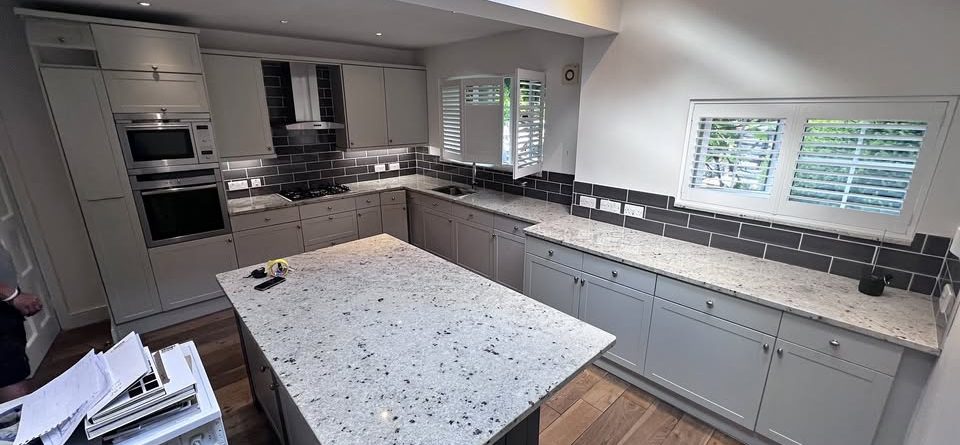
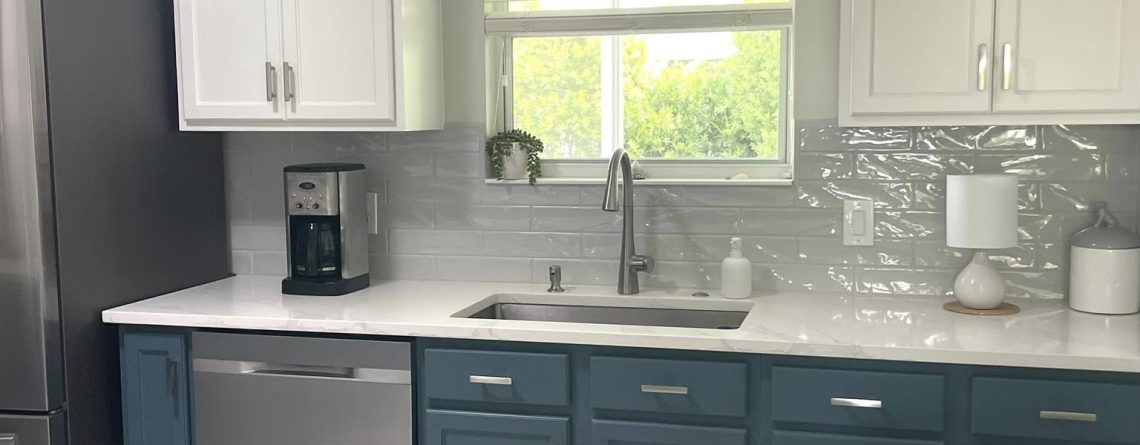
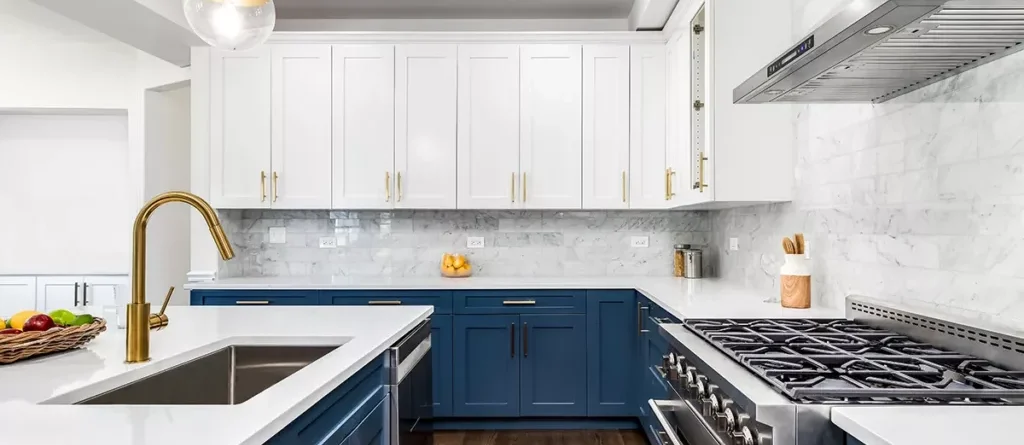
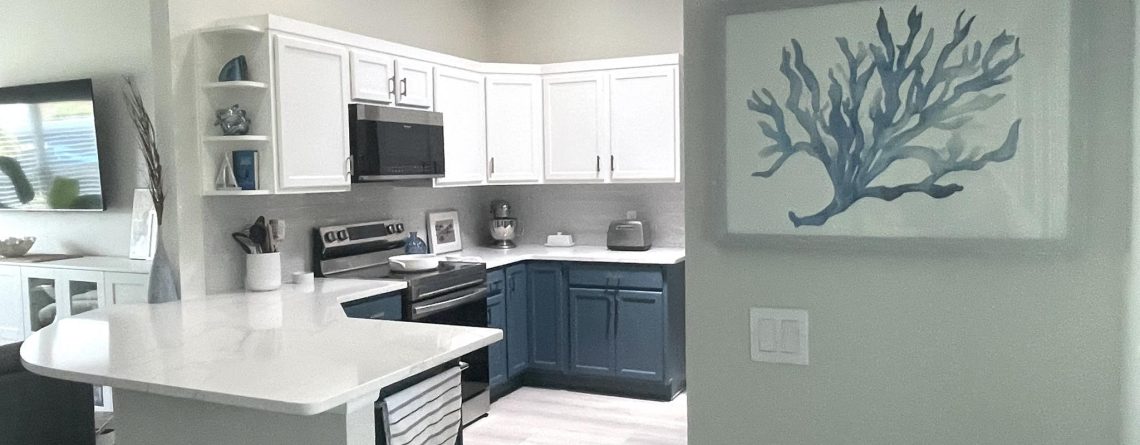
The existing project images from the live Cabinet Painting page are retained below. They are useful for judging colour changes, door profiles and how different finishes read in completed kitchens.
Get a Cabinet Painting Quote in Melbourne
Send photos of the full kitchen, close views of the cabinet doors and any damaged areas, plus the approximate number of doors and drawers. VicPainter can then confirm the next step for your cabinet painting scope.
