
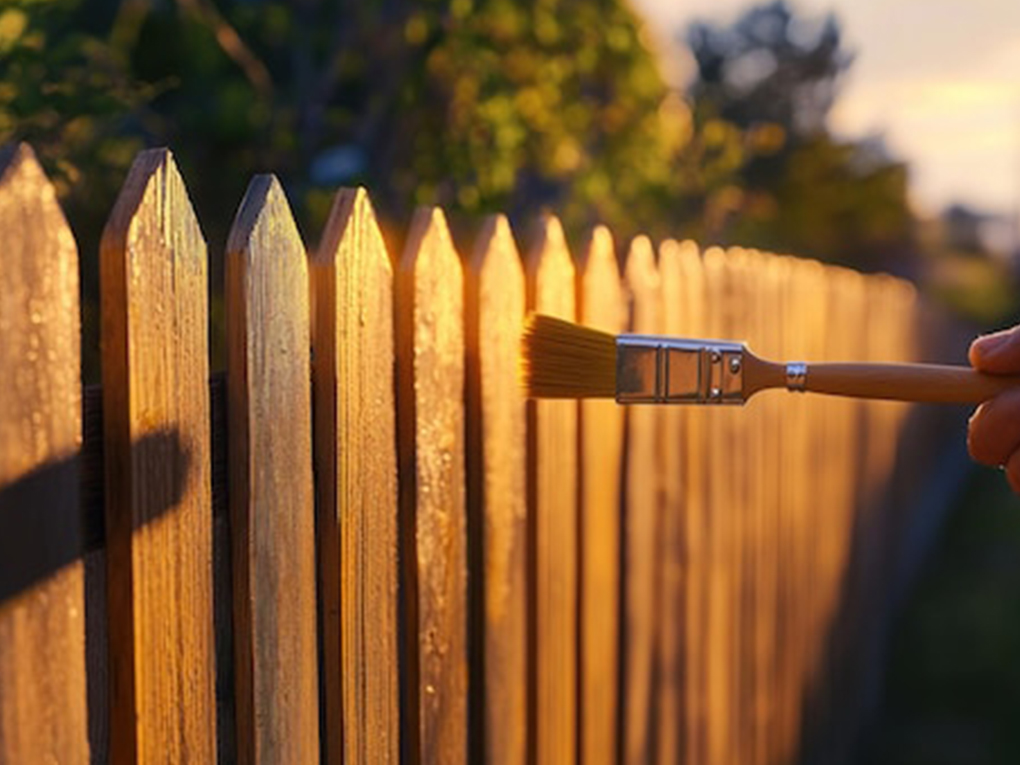
How long does it take to paint a fence?
Revamping your property boundary is one of the most effective ways to boost curb appeal and protect your timber from the harsh outdoor elements. However, before you grab a brush and head into the backyard, a crucial question arises: exactly how long does it take to paint a fence?
Whether you are a dedicated DIY enthusiast ready for a weekend project or a homeowner weighing up the benefits of hiring a professional team, understanding the time commitment is essential. There is no single answer, as the timeline depends heavily on the size of your yard, the condition of the materials, and the tools you use. Let’s break down the process step-by-step so you can plan your project effectively and achieve a stunning, long-lasting result in interior house painters melbourne
Understanding the Core Variables That Impact Your Timeline
Estimating the duration of a proper fence painting project requires looking past simply rolling colour onto timber. Several key factors will either speed up your progress or add hours to your weekend.
Fence Length and Height
Naturally, the sheer surface area dictates the bulk of the labour. A standard suburban paling fence spanning 20 metres might take a dedicated DIYer a full weekend from start to finish.
Conversely, a wraparound perimeter on a larger block could easily stretch into a multi-week endeavour if you are working alone. Height also plays a role; taller structures often require ladders or extension poles, slowing down your overall pace.
Condition of the Timber
Brand new treated pine absorbs liquids rapidly but requires minimal prep work. Older, weathered timber, on the other hand, demands extensive cleaning, sanding, and potentially scraping off peeling layers of old colour.
If your palings are covered in moss, dirt, or flaking debris, you must factor in at least an entire day purely for surface preparation.
Application Method: Spraying vs. Brushing
Your choice of equipment drastically alters the timeframe. Using an airless sprayer can cover a standard 10-metre section in less than an hour.
However, sprayers require meticulous masking of nearby plants, pathways, and neighbour’s property to prevent overspray. Hand brushing and rolling eliminate the need for heavy masking but are significantly slower and more labour-intensive.
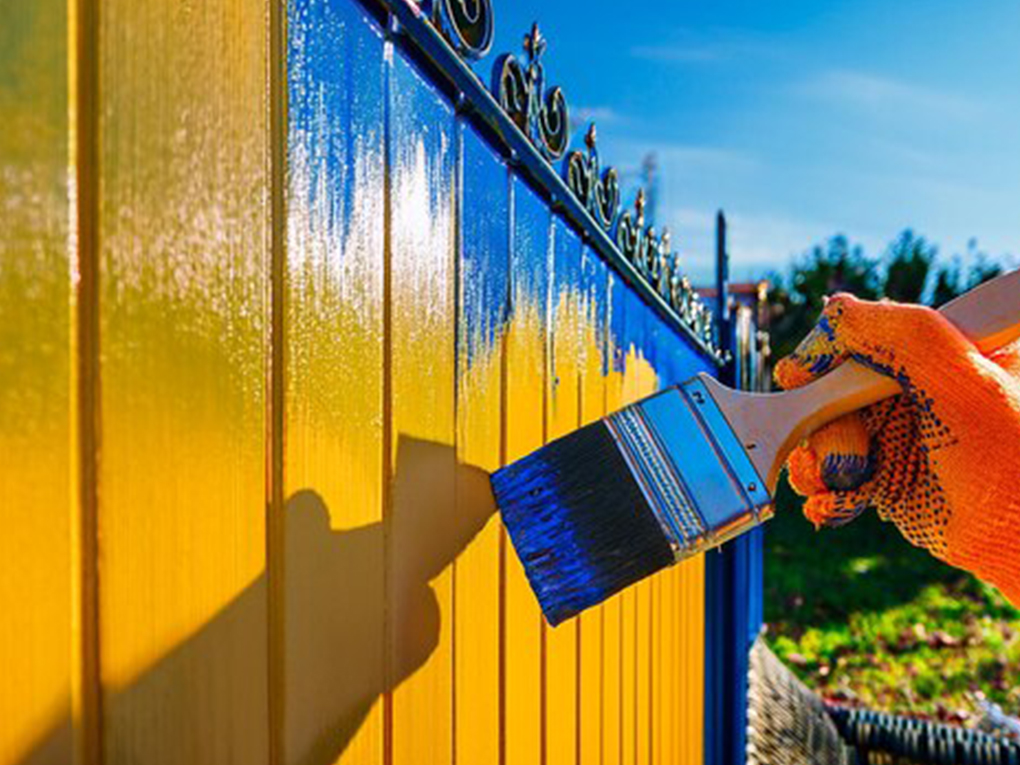
The Fence Painting Process: A Step-by-Step Breakdown
To accurately gauge the time required, it is best to view the project in stages. Here is a realistic breakdown for an average-sized residential boundary.
Day 1: Preparation and Cleaning
Never skip the prep work. Start by clearing away garden beds, tying back shrubs, and laying down drop sheets. Next, thoroughly wash the surface.
Using a pressure washer speeds up this process immensely, blasting away years of grime, mould, and loose debris in a matter of hours. You must then allow the timber to dry completely, which typically takes 24 to 48 hours depending on the weather.
Day 2: Repairs and Priming
Once dry, inspect the palings for rot or damage. Hammer in loose nails and fill any significant cracks. If you are working with raw timber or transitioning from a dark to a light shade, applying a high-quality primer is non-negotiable.
Primer seals the wood, providing a stable base for your topcoats. Applying primer by hand to an average-sized yard usually takes a full afternoon.
Day 3: Applying the Topcoats
Now for the transformative part. People often ask how many coats of paint does a fence need to ensure a vibrant and protective finish. Generally, two solid topcoats are the industry standard for exterior timber.
You will need to apply the first coat, wait for it to dry completely according to the manufacturer’s instructions (usually 2 to 4 hours), and then apply the second coat to guarantee an even, opaque finish.
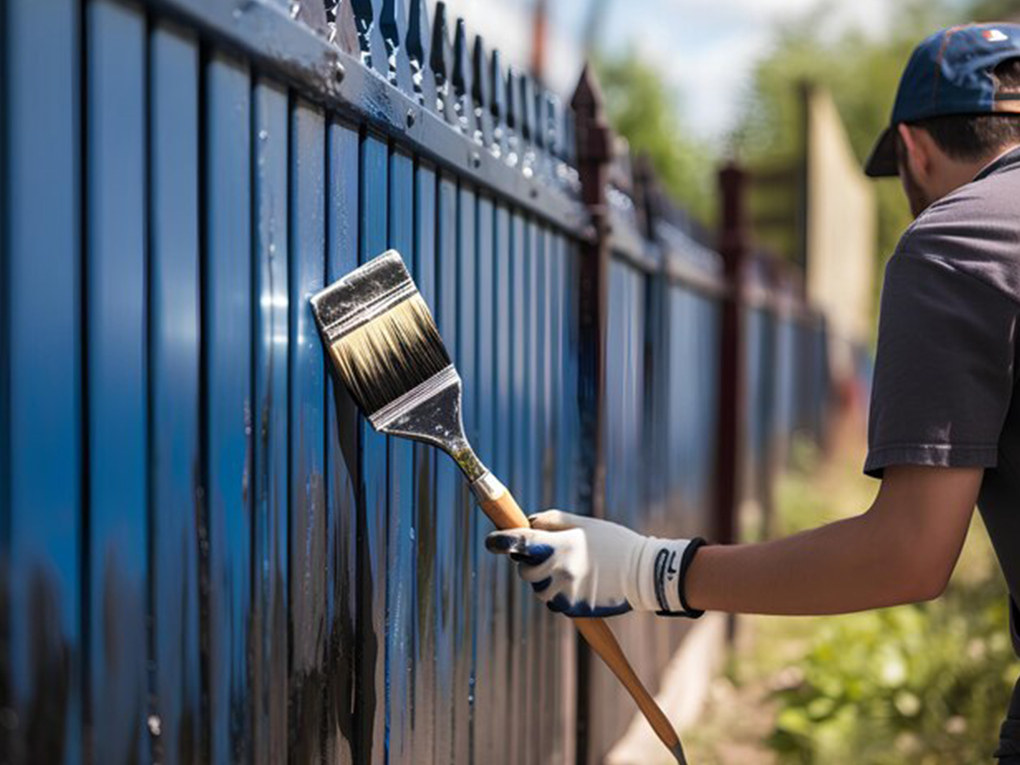
Material Choices and Their Impact on Time
The products you select will also influence your working speed. Evaluating fence paint vs fence stain is an important consideration during the planning phase.
Stains generally penetrate the wood grain directly, often requiring less rigorous priming and sometimes only needing a single heavy coat, making the application faster.
Conversely, traditional exterior acrylics sit on top of the timber, requiring careful layering and longer drying times between coats to prevent blistering.
Planning Around the Elements for Optimal Results
You cannot control the weather, but you must work alongside it. High humidity slows down drying times, while extreme heat can cause acrylics to dry too quickly, leading to visible lap marks and poor adhesion.
Identifying the best time of year to paint a fence ensures you avoid sudden downpours and blistering midday sun, creating an ideal curing environment for your chosen products. Ideally, aim for mild, dry days with moderate temperatures.
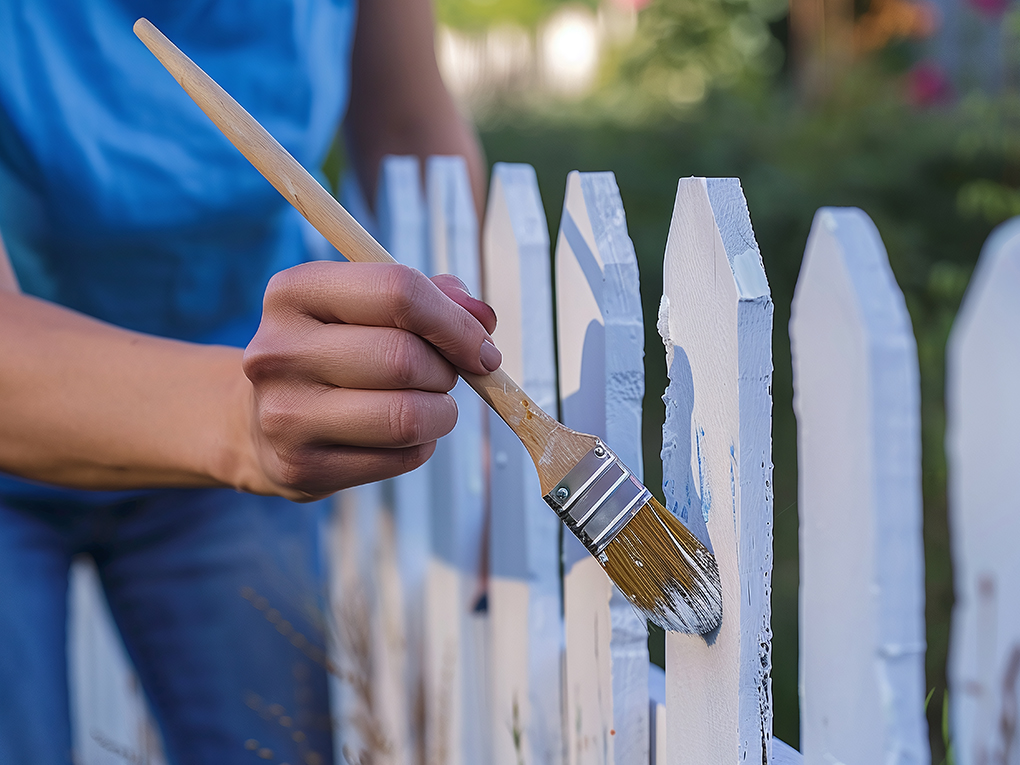
Maintenance and Durability
The time you invest upfront directly correlates with the lifespan of the finish. Skimping on preparation or skipping a second coat might save you a few hours today, but it will cost you days of rework next year.
When done correctly with premium products, homeowners naturally wonder how long does fence paint last before fading or peeling.
A meticulously prepared and coated timber boundary can easily remain looking fresh and vibrant for five to ten years, making that initial weekend of hard work an excellent long-term investment.
Frequently Asked Questions (FAQs)
Can I paint a fence in one day?
It is highly unlikely for a single person to complete a standard-sized yard in one day unless the timber is completely raw, requires zero cleaning, and you are using a commercial-grade airless sprayer. Even then, drying times between coats make a one-day turnaround difficult.
Do I really need to wash my fence before starting?
Yes. Applying colour over dirt, mould, or loose debris guarantees poor adhesion. The finish will inevitably peel or flake within the first few months, ruining your hard work.
Is it faster to use a roller or a brush?
A thick-nap roller is significantly faster than a brush for covering the broad, flat faces of the palings. However, you will still need a brush to “cut in” along the edges, between the gaps, and around the posts.
How long should I wait after pressure washing?
Timber acts like a sponge. Even if the surface feels dry to the touch, moisture may be trapped inside. It is highly recommended to wait at least 24 to 48 hours of warm, dry weather before applying any primers or sealers.
Should I hire a professional instead?
If your yard is particularly large, the timber is in poor condition, or you simply lack the free weekends to tackle a multi-day project, hiring a professional team is a smart choice. They have the expertise, commercial spray equipment, and manpower to complete the job in a fraction of the time.
Figuring out how long does it take to paint a fence comes down to understanding the size of your project, the condition of your materials, and your chosen application methods.
While it requires a solid commitment of time and energy, a freshly coated boundary drastically elevates the look of your entire property.
If the prospect of spending your valuable weekends sanding, priming, and rolling feels overwhelming, you do not have to tackle it alone.
Reach out to experienced professionals to handle the heavy lifting, ensuring a flawless, durable finish that protects your property for years to come. Start planning your backyard transformation today!
- Address: 71 Rochester Road, Balwyn, VIC 3103
- Hotline: 0401 851 598
- Email: pm@vcolour.com.au
- Website: www.vicpainter.com
- Facebook: facebook.com/fencepaintingmelbourne/
- Instagram: instagram.com/wallrepair.melbourne/
