
How many coats of paint does a fence need?
Upgrading your outdoor space often begins right at the boundary lines. A freshly painted paling or metal barrier can completely transform the look of your backyard, boosting your property’s curb appeal and protecting the underlying materials from harsh weather. However, when homeowners decide to tackle this project or hire professionals, a common and critical question arises: how many coats of paint does a fence need?
Getting the number of coats right is the difference between a splotchy, peeling disaster and a durable, stunning finish that lasts for years. Applying too little will leave your timber or metal exposed to the elements, while applying too much can lead to bubbling, cracking, and wasted money. In this comprehensive guide, we will break down exactly how many coats you need based on the material, the condition of the surface, and the specific finish you want to achieve in real painters melbourne
The Short Answer: Setting the Baseline
If you are looking for a quick rule of thumb, the industry standard for a high-quality finish is two coats of topcoat paint. Two coats generally provide the perfect balance of solid colour coverage and robust weather protection.
However, this two-coat rule is not a one-size-fits-all solution. Depending on whether you are working with brand new raw timber, a previously painted surface, or modern corrugated steel, your project might require a different approach.
Investing in high-quality fence painting ensures that the correct number of coats is applied using professional techniques, ultimately saving you time and future maintenance costs.
Key Factors Determining the Number of Coats
Before you open a single tin of exterior paint, you must assess the unique characteristics of your boundary walls. Several crucial factors dictate exactly how much product you will need to apply.
The Material of Your Fence (Timber vs. Metal)
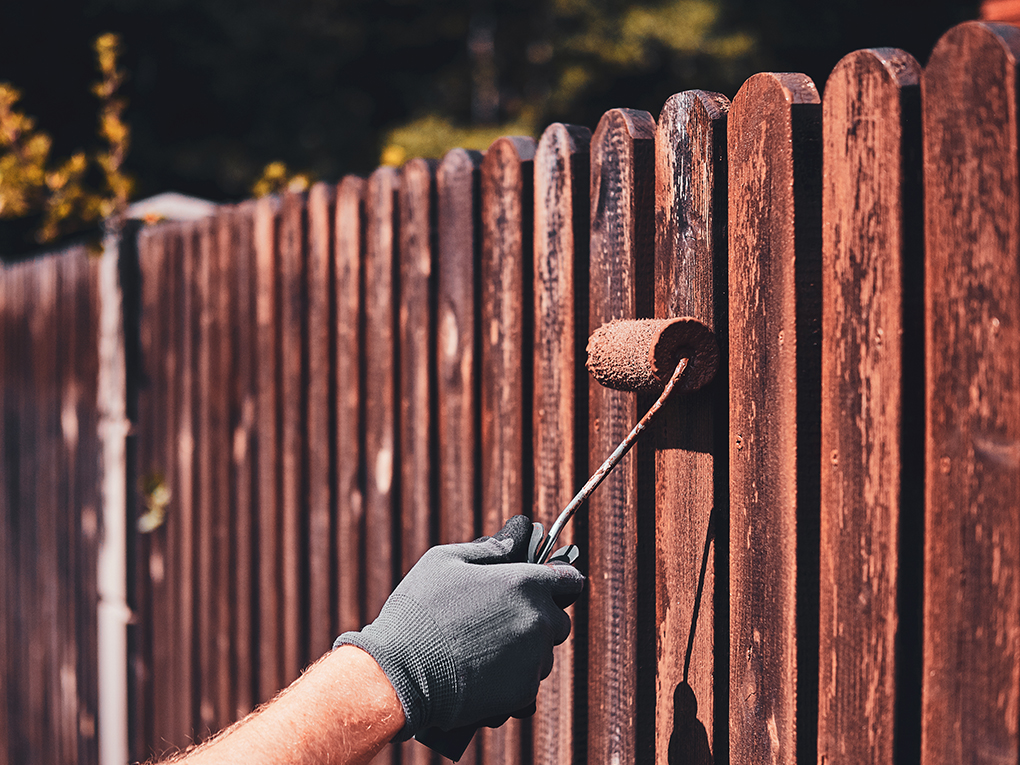
Different materials absorb paint differently. Raw, unpainted timber is incredibly porous. It drinks up moisture, meaning the first layer you apply will largely soak directly into the wood fibres. Because of this high absorption rate, raw timber fences almost always require a dedicated primer followed by two full topcoats to achieve an even, protective finish.
On the other hand, non-porous surfaces like steel or aluminium do not absorb paint. Instead, the paint sits entirely on top of the surface. If you are upgrading an older metal boundary and wondering can you paint colorbond fence, the answer is absolutely yes.
With the correct etching primer and preparation, you typically only need two coats of specialised exterior acrylic or metal paint to refresh its appearance completely.
Current Condition and Age of the Surface
The existing state of the palings or panels plays a massive role in your project’s scope. If you are simply doing maintenance on a fence that was painted a few years ago and the existing coat is still in decent shape (no peeling or flaking), a single coat of the same colour is often enough to restore its vibrancy.
Conversely, if the wood is severely weathered, cracked, or flaking, it will require extensive sanding and scraping. Once you expose the bare timber beneath, you must treat it like a brand-new installation, requiring a full primer coat and two topcoats.
Dramatic Colour Changes
When you are browsing through various outdoor aesthetics and paint ideas for fences, keep in mind that your colour selection impacts the workload. Transitioning from a light colour (like cream or white) to a dark colour (like Monument or charcoal) usually requires just two coats, as dark pigments hide lighter colours easily.
However, painting a dark surface with a light colour is notoriously difficult. The dark undertones will bleed through the first and even second coat of light paint. In these scenarios, you will likely need a high-opacity blocking primer, followed by two to three topcoats of your light colour to achieve a solid, streak-free finish.
The Crucial First Step: Preparation and Priming
Before counting your topcoats, you must address the foundation. Proper preparation dictates the final quality of the job. Many homeowners ask themselves, do you need to prime a fence before painting before they begin rolling or spraying.
The answer depends heavily on the surface. You must use a primer if:
- The timber is brand new and completely bare.
- The existing paint is peeling, and you have scraped down to bare wood.
- You are painting over a heavily stained or tannin-rich timber (like Merbau or Cedar).
- You are making a drastic colour change from very dark to very light.
- You are painting over a shiny, glossy metal surface that needs “grip.”
A primer is not a topcoat; it is a preparatory layer that seals the material and creates an adhesive bond for the subsequent layers to stick to.
Step-by-Step Guide to Applying the Right Amount of Paint
Once your surface is clean, dry, and primed (if necessary), you can move on to the actual application phase.
The First Coat: Establishing the Base
Your first coat of exterior paint is all about establishing the base colour. Whether you are using a brush, a heavy-nap roller, or an airless spray gun, ensure you apply the paint evenly.
Work the paint into the grain of the timber or along the ridges of the corrugated metal. Do not panic if this first coat looks slightly patchy or uneven-this is completely normal.
The first layer rarely provides perfect coverage. Allow this coat to dry completely according to the manufacturer’s instructions.
The Second Coat: Building Depth and Protection
The second coat is where the magic happens. This layer provides the true depth of colour and creates the necessary film thickness to withstand UV rays, heavy rain, and general wear and tear.
Apply the second coat just as meticulously as the first. Once dried, inspect the surface. For most standard residential projects, this second coat will yield a flawless, professional-looking finish.
The Optional Third Coat: When Is It Necessary?
While rare, a third topcoat is sometimes required. You might need a third coat if you used a cheap, thin paint with poor coverage, if you are painting over a stubborn dark colour without a primer, or if you applied the paint too thinly during the first two passes.
What Happens If You Apply the Wrong Amount of Paint?
Cutting corners or overdoing it will both lead to suboptimal results.
- Applying Only One Coat: If you only apply one coat over raw timber or a different colour, the finish will be thin, patchy, and visually unappealing. More importantly, the paint film will not be thick enough to protect the substrate from moisture, leading to rot and premature failure.
- Applying Too Many Coats: Slapping on four or five coats in a misguided attempt to add “extra protection” is a mistake. Paint needs to cure flexibly. If the layers are too thick, the paint will lose its elasticity. As the fence expands and contracts with temperature changes, overly thick paint will quickly crack, blister, and peel away in large sheets.
Ultimately, the amount of effort you put into the correct application sequence determines how long does fence paint last in harsh weather conditions. Proper application can easily yield a finish that lasts 5 to 10 years.
Frequently Asked Questions (FAQs)
Does using an airless paint sprayer change how many coats I need?
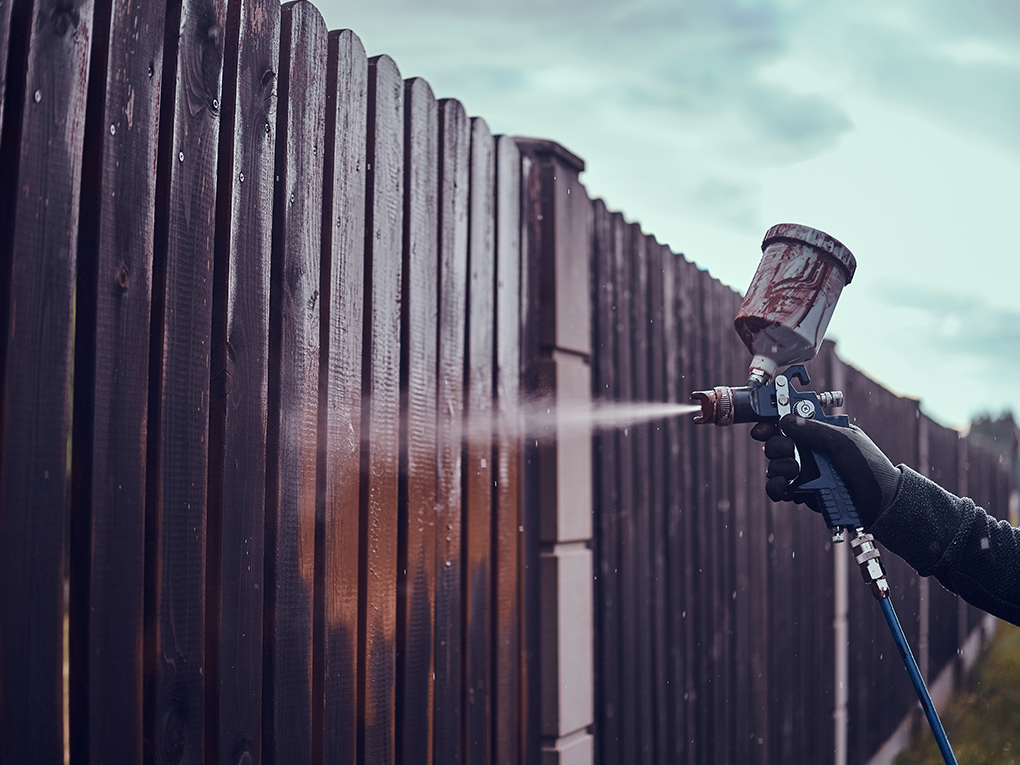
Generally, no. While a sprayer applies paint much faster than a brush or roller, you still need to achieve the correct film thickness. You will still need to spray two distinct coats to ensure solid coverage and proper outdoor protection.
Can I skip the primer if I use a “paint and primer in one” product?
Self-priming paints are excellent for previously painted surfaces in good condition. However, if you are painting bare, tannin-rich timber or raw, glossy metal, a dedicated, separate primer is still highly recommended for the best adhesion.
How long should I wait between coats?
Drying times vary drastically based on the brand, weather, and humidity. Most standard water-based exterior acrylics require 2 to 4 hours of drying time between coats. Always check the tin for exact specifications to avoid pulling off the wet paint with your second coat.
Is one coat of paint enough for a fence?
One coat is only sufficient if you are doing a maintenance refresh on a fence that is already painted in the exact same colour, and the existing coat is structurally sound without any flaking or bare spots.
How much paint do I need to buy for two coats?
Coverage rates depend on the paint brand and surface porosity. Rough-sawn timber absorbs significantly more paint than smooth metal. On average, one litre of exterior paint covers about 12 to 16 square metres for a single coat. Calculate your total square meterage, double it for two coats, and divide by the paint’s coverage rate.
Understanding how many coats of paint does a fence need is the foundational step to a successful outdoor renovation.
Remember the golden rule: thorough preparation, a suitable primer when necessary, and two solid topcoats of premium exterior paint will almost always deliver the best, most durable results.
Taking the time to apply the right number of coats ensures your property looks immaculate and stays protected against the harshest elements for years to come.
If you want a guaranteed flawless finish without the hassle of spending your entire weekend covered in paint, contact a professional painting team today to transform your boundary walls with precision and expertise!
